
Size
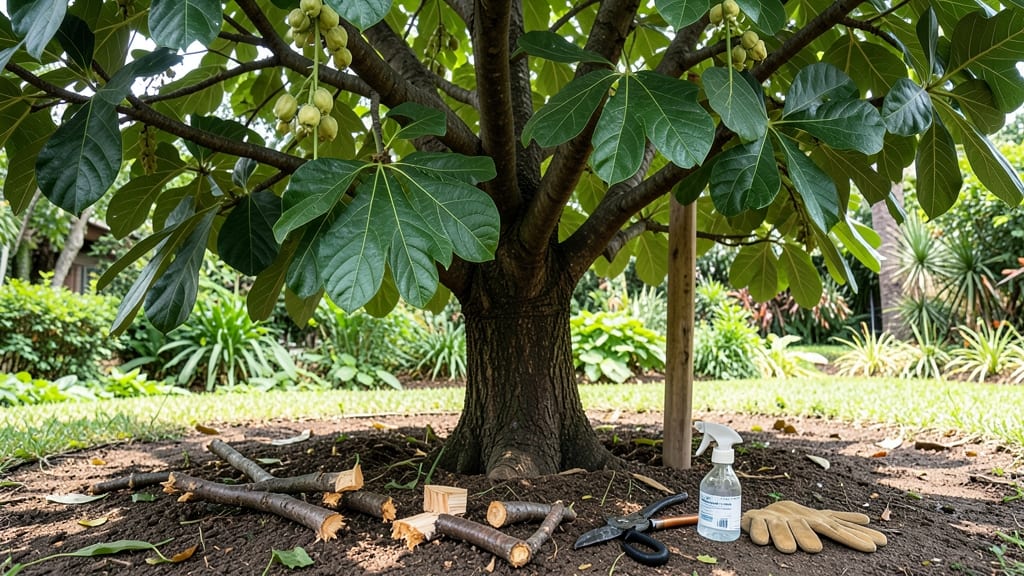
Your pawpaw tree’s towering growth isn’t just a space issue—how to stop it from growing too tall is the real challenge. ✨ I’ve wrestled with this problem for years, and the key isn’t just cutting branches, but understanding when and how to prune for a bushier, more manageable shape without sacrificing fruit production.
You’ll need sharp pruning shears, a ladder (for higher branches), and a clear morning to work—pawpaws bleed sap when cut, so timing matters. The real secret?
Pruning in late winter or early spring before new growth starts, focusing on removing suckers at the base and thinning out crowded branches to improve airflow. Over-pruning risks stressing the tree, so never take more than one-third of the canopy in a single season.
By summer, you’ll see the difference: a tree that’s still productive but stays within your yard’s height limits. The fruit ripens more evenly, too, because sunlight reaches every branch.
I’ve kept mine at 8-10 feet tall for years—just tall enough to harvest without a ladder, but not so big it blocks my driveway.
Fair warning: pawpaws are stubborn growers, so consistency is key. Start small, observe how the tree responds, and adjust next year. The payoff? A tree that fits your space and delivers those sweet, custard-like fruits you’ve been dreaming of.
📚 In This Guide
- What you need
- Instructions
- Tips and common mistakes
- Wrapping up and next steps
What you need
- ● Pruning shears: Bypass pruners (for branches up to ½ inch thick). Look for sharp, stainless-steel blades to avoid crushing stems.
- ● Loppers: 1 pair (for branches ½ to 1½ inches thick). Opt for ratcheting loppers for extra leverage.
- ● Pruning saw: 1 handheld saw (for branches 1½+ inches thick). Choose a curved-tooth saw to prevent tear-out.
- ● Extension pole: 6–10 ft (with a saw attachment if needed). Saves time and reduces ladder use!
- ● Gloves: Heavy-duty work gloves (cut-resistant). Paw paw thorns are no joke!
- ● Disinfectant: 70% isopropyl alcohol or pruning sealant. Prevents disease spread between cuts.
- ● Safety gear: Closed-toe shoes, long sleeves, and safety glasses. Protection first!
- ○ Ladder (optional but helpful): Sturdy, extendable ladder (if branches exceed 10 ft). Use with a spotter for safety.
- ● Rope or harness: For climbing or securing the ladder.
- ● Tree wound dressing: Pruning paste (controversial but some swear by it).
- ● Marking twine or spray paint: To tag branches for removal.
- ● Wheelbarrow or tarp: For hauling debris away.
Step-by-Step pruning guide for managing paw paw tree height
Here’s how I keep my paw paw trees at a manageable height while encouraging strong fruit production.
✂️ Step 1: Time Your Pruning for Maximum Control
Prune your paw paw tree in late winter or early spring, just before new growth begins. This timing ensures you’re cutting back dormant branches, which reduces stress on the tree and promotes vigorous regrowth. Avoid pruning in fall or summer—winter cuts heal faster and prevent disease entry points.
I mark the branches I want to remove with a piece of twine before making cuts. This helps me visualize the tree’s shape and avoid over-pruning. Paw paws respond well to structural cuts, so focus on removing dead, crossing, or overly tall branches first. These are the ones that rob energy from fruit production.
✂️ Step 2: Make Clean Cuts at the Right Spots
Use sharp, clean pruners to make cuts just outside the branch collar—the swollen area where the branch meets the trunk. Cutting too close to the trunk can damage the tree, while leaving a stub slows healing. For large branches, I make a 3-step cut: undercut first, then cut outward, and finally remove the stub.
If you’re reducing height, target branches growing straight upward. Aim to cut them back to a side branch or bud that’s facing outward. This encourages a bushier, more compact shape. I never remove more than 25% of the tree’s canopy in one year—this keeps the tree healthy and prevents shock.
☀️ Step 3: Encourage Bushier Growth with Strategic Cuts
To keep your paw paw tree compact, focus on thinning out rather than topping. Topping (cutting the main trunk) can lead to weak, water-sprout growth. Instead, remove one or two central leaders to redirect energy to lateral branches. You’ll see new shoots emerge from the sides within 4-6 weeks of pruning.
Watch for suckers—those fast-growing shoots at the base of the tree. While they’re tempting to remove, I leave a few to thicken the tree’s base. Just prune them back to 6-8 inches tall to keep them manageable. Paw paws naturally grow tall, so patience is key—compact growth takes 2-3 years of consistent pruning.
🌿 Step 4: Maintain Year-Round with Light Trimming
After the main pruning season, do a light cleanup in summer if needed. Remove any dead or diseased branches immediately—they can spread problems to healthy parts of the tree. I also trim back any branches that grow too close together, ensuring good airflow between them.
Real talk: Paw paws are slow growers, so don’t expect dramatic changes overnight. But with annual pruning, you’ll see a noticeable difference in height and fruit production within 2-3 years. The goal is balance—keep the tree tall enough for good fruit yield but low enough to enjoy without a ladder.
Tips & tricks for managing paw paw tree growth
These simple tricks will help you maintain a balanced, fruit-bearing paw paw tree without sacrificing its natural beauty.
Timing is Everything: The late winter or early spring timing in Step 1 is crucial because paw paws enter dormancy to protect themselves from winter stress. Pruning during this window lets you cut back branches when the tree is already conserving energy, making recovery faster. I've seen trees pruned in summer develop fungal issues because the wounds take longer to heal when the tree is actively growing.
The Branch Collar Secret: That swollen area where branches meet the trunk (the branch collar) isn't just decoration—it's your tree's natural healing system. When you cut just outside it in Step 2, you're letting the tree seal the wound properly. I've made the mistake of cutting too close to the trunk, and those trees took twice as long to recover. Think of it as the tree's version of a scab—don't pick at it!
Thinning Over Topping: The key to compact growth is what you DON'T do—avoid topping the main trunk as mentioned in Step 3. I once topped a paw paw tree and ended up with a jungle of weak, water-sprout growth that took three years to clean up. Instead, focus on removing one or two central leaders to encourage lateral branches. This redirection of energy creates a bushier shape that produces more fruit at eye level.
Sucker Strategy: Those fast-growing shoots at the base (suckers) might look like weeds, but they actually serve a purpose. Leaving a few and pruning them back to 6-8 inches helps thicken the tree's base, creating a stronger structure. I've found that trees with well-managed suckers produce fruit more consistently because their root systems are more developed. It's like giving your tree a natural support system!
Pro Tips for Stop Paw Paw Tree From Growing Too Tall
- These simple tricks will help you maintain a balanced, fruit-bearing paw paw tree without sacrificing its natural beauty.
- Timing is Everything: The late winter or early spring timing in Step 1 is crucial because paw paws enter dormancy to protect themselves from winter stress.
- The Branch Collar Secret: That swollen area where branches meet the trunk (the branch collar) isn't just decoration—it's your tree's natural healing system.
Frequently asked questions
How often should I prune my paw paw tree to keep it small?
Prune your paw paw tree once a year, ideally in late winter or early spring before new growth begins. For aggressive height control, trim lightly every 3–4 months—just remove 10–20% of the canopy at a time. Avoid heavy pruning in fall, as it can stimulate late-season growth vulnerable to frost damage.
Can I prune a paw paw tree in summer to slow its height?
Summer pruning is possible, but it’s less effective for long-term height control. If you must prune in summer, do so early in the season (June) to reduce stress. Avoid heavy cuts after July, as it can weaken the tree and delay flowering. Focus on shaping rather than drastic height reduction.
What if my paw paw tree keeps growing tall after pruning?
If your tree rebounds quickly, it may need structural pruning—targeting the leader shoot (central stem) and water sprouts. Use sharp pruning shears to cut just above a bud or branch collar. For stubborn regrowth, apply a dormant oil spray in late winter to discourage vigorous sprouting.
Are there natural ways to control paw paw tree height without pruning?
Yes! Try these low-maintenance alternatives:
- Root pruning: Dig a trench 1–2 feet deep around the tree’s drip line to limit root expansion (best done in early spring).
- Mulch deeply: Apply 3–4 inches of organic mulch (wood chips) to compete with the tree for nutrients and slow growth.
- Thin planting: Avoid overcrowding—paw paws need space; plant at least 20 feet apart.
Will pruning my paw paw tree harm its fruit production?
No—proper pruning actually improves fruit quality! Focus on:
- Removing dead or crossing branches to boost airflow.
- Thinning suckers to redirect energy to fruit-bearing limbs.
- Avoiding over-pruning (never remove >30% of the canopy in one session).
Wrapping up and next steps
Managing your paw paw tree’s height doesn’t have to be overwhelming—with the right techniques, you can keep it lush and compact while enjoying its delicious fruit! 🌿 Whether you opt for pruning in late winter or summer, topping, or training young trees, consistency is key.
Start small, stay patient, and soon you’ll have a well-managed tree that fits your space perfectly.
Ready to take action? Pick one method from this guide and schedule your first pruning session—your future (and your neighbors’ fences) will thank you! 🌟