
Pests and Diseases
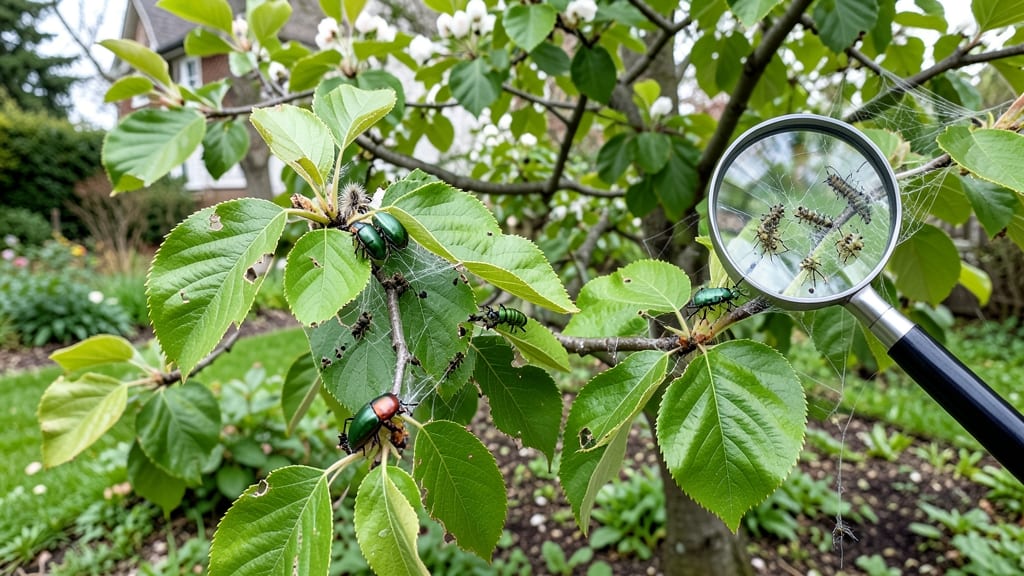
What is eating my cherry tree leaves? They look like Swiss cheese, and you're wondering who's to blame. 🌿 The culprits are usually tiny but destructive—think caterpillars, beetles, or mites—each with its own telltale signs.
I've spent years tracking these pests, and the key to stopping them starts with knowing exactly what you're dealing with.
Most damage happens in spring and summer when pests are hungry and your tree is vulnerable. Japanese beetles skeletonize leaves overnight, while tent caterpillars spin silky webs that hide their nests.
Even tiny aphids can weaken branches if left unchecked. The good news? Each pest responds to different treatments—some need neem oil, others benefit from handpicking or beneficial insects.
You'll spot the damage first: jagged edges, chewed holes, or sticky residue from sap. Once you identify the pest, solutions become clear—whether it's a simple spray, a barrier method, or encouraging natural predators. The sooner you act, the more leaves your tree holds onto by summer's end.
This isn't just about saving leaves—it's about keeping your tree healthy for years to come. Let's tackle this step by step, so you can enjoy full, lush branches again. The first step is knowing your enemy, and we've got you covered with the most common suspects.
Root Causes Behind Leaf Loss
When your cherry tree’s leaves start disappearing, it’s rarely just a random act of nature—it’s usually a deliberate attack by hungry invaders or a sign of environmental stress. Understanding why this happens is the first step to protecting your tree.
Below, we break down the science behind the most common triggers, from voracious pests to hidden diseases, so you can take precise action.
Insects are the #1 culprit behind chewed cherry tree leaves, and their feeding habits leave distinctive clues. Here’s how they strike:
🍃 Japanese Beetles: The Gluttonous Invaders
These metallic-green beetles with copper wings are leaf skeletonizers—they devour the soft tissue between leaf veins, leaving a lacy, half-eaten mess. Why it happens:
- Attraction to stress: Beetles target trees weakened by drought, poor soil, or over-fertilization. Their pheromones also trigger group attacks, turning one leaf into a buffet.
- Seasonal timing: They peak in late June to August, when cherry trees are in full leaf and vulnerable. Adults chew leaves, while larvae (white grubs) feed on roots.
- Chemical cues: Cherry trees release volatile organic compounds (VOCs) when stressed, which beetles detect from up to 3 miles away.
Actionable fix: Handpick beetles into soapy water (they’re slow fliers) or use neem oil to disrupt their feeding signals.
🐛 Aphids: The Sap-Sucking Swarms
Tiny, pear-shaped aphids cluster on new growth, piercing leaves to suck sap. Why it happens:
- Ant partnerships: Aphids “farm” ants by secreting honeydew (a sugary waste), which ants protect in exchange for food. This mutualism lets aphids multiply unchecked.
- Rapid reproduction: A single aphid can produce 70 offspring in 30 days via cloning, creating colonies that defoliate branches overnight.
- Weather triggers: Warm, dry springs accelerate their lifecycle, while rainy seasons dilute natural predators like ladybugs.
Actionable fix: Blast aphids off with a strong stream of water (they’re weak swimmers) or introduce ladybugs or lacewings as biological controls.
🐛 Tent Caterpillars: The Silky Web Builders
These fuzzy caterpillars spin white silk tents across branches, then munch leaves from the inside out. Why it happens:
- Group foraging: They communicate via pheromones to coordinate attacks, making them 10x more destructive than solitary pests.
- Drought stress: Trees under water stress produce more nitrogen-rich leaves, which caterpillars find irresistible.
- Overwintering eggs: Females lay 200–400 eggs in a single mass, which hatch synchronously in spring, timing their feast with new leaf growth.
Actionable fix: Prune and destroy tents in late winter (before eggs hatch) or use Bt (Bacillus thuringiensis), a bacteria that kills caterpillars without harming bees.
Not all leaf loss is caused by chewing—some pathogens rot leaves from the inside, turning them yellow, brown, or covered in mold. Here’s how fungi strike:
🍂 Leaf Spot Fungi: The Spore Spreaders
Fungi like Cercospora or Alternaria cause dark, circular spots with halos, often with yellow margins. Why it happens:
- Splashing spores: Rain or overhead watering splashes fungal spores from infected leaves, mulch, or soil onto healthy foliage.
- High humidity: Spores germinate best in 70–90% humidity, thriving in dense canopies where air doesn’t circulate.
- Weakened defenses: Trees stressed by nutrient deficiencies (especially potassium) or physical damage can’t resist fungal invasion.
Actionable fix: Remove infected leaves immediately and space trees for airflow. Apply copper fungicide preventatively in spring.
🍄 Powdery Mildew: The White Coat Thief
This fungal disease coats leaves in a white, powdery film, blocking sunlight and stunting growth. Why it happens:
- Low light + high heat: Powdery mildew thrives in 60–80°F temps with poor sunlight, common in shaded or overcrowded orchards.
- High nitrogen: Fast-growing, tender leaves are more susceptible to fungal penetration.
- Dormant season spores: Fungi survive winter on bud scales or fallen leaves, then explode in spring when conditions are right.
Actionable fix: Prune for sunlight and reduce nitrogen fertilizer. Spray with baking soda mix (1 tbsp baking soda + 1 gallon water + a drop of soap) every 7–10 days.
Sometimes, leaves fall or turn brown without pests or disease—they’re essentially self-defense mechanisms against harsh conditions. Here’s the science:
💧 Drought or Overwatering: The Suffocation Effect
Cherry trees need consistent moisture in their root zone. Why it happens:
- Root asphyxiation: Overwatering displaces oxygen in soil, causing roots to suffocate. Leaves yellow and drop as the tree “panics.”
- Drought shock: When soil dries out, the tree abscises (drops) leaves to conserve water, prioritizing survival over fruit production.
- Transpiration mismatch: Hot, dry winds increase leaf water loss, but shallow roots can’t compensate, leading to scorch and drop.
Actionable fix: Water deeply 1–2x per week (1–2 inches per session) and mulch with wood chips to retain moisture.
🌡️ Extreme Heat or Cold: The Temperature Trap
Cherry trees are hardy but not heat-tolerant. Why it happens:
- Heat stress proteins: Temps above 90°F trigger heat shock proteins in leaves, causing browning and premature drop.
- Cold damage: Late frosts (below 28°F) rupture cell membranes, leading to blackened, curled leaves.
- Sunburn risk: Sudden heat after winter dormancy cooks leaves in hours, especially on south-facing branches.
Actionable fix:
Now that you’ve identified the culprit gnawing on your cherry tree’s leaves, it’s time to take action! Below are practical, step-by-step solutions tailored to each common pest or disease, along with prevention tips to keep your tree thriving. Whether it’s slugs, caterpillars, or fungal spores, we’ve got you covered with easy-to-follow fixes that won’t break the bank. How to Fix It:
🔥 Remove by Hand (Best for Small Infestations) 🍳 Set Up Barriers (Prevent Future Attacks) - Materials: Crushed eggshells, diatomaceous earth (food-grade), or copper tape (available at garden centers). - How: Create a 2-inch-wide ring around the tree’s base. Slugs hate crawling over these rough or electrified surfaces. - Bonus: Coffee grounds also work—they dehydrate slugs and deter them naturally. 👨🍳 Brew a Natural Repellent How to Fix It:
🔥 Handpick & Drop (Best for Small Trees) 🥘 Use Organic Sprays (Safe & Effective) - Option 1: Bacillus thuringiensis (Bt) Spray - Why? A natural bacteria that kills caterpillars but is harmless to humans, pets, and beneficial insects. - How: Spray on both sides of leaves every 7–10 days until the infestation is gone. - Option 2: Neem Oil Spray - Recipe: Mix 1 tbsp neem oil + 1 tsp mild soap + 1 quart water. Spray in the early morning or evening (avoid direct sun). - Note: Reapply after rain. 🔪 Prune & Destroy Infested Branches How to Fix It:
🔥 Improve Airflow (Prevent Future Outbreaks) 🌡️ Apply Fungicides (For Active Infections) - Best options: - Copper fungicide (works on leaf spot, powdery mildew). - Neem oil (prevents spores from spreading). - Baking soda spray (for powdery mildew): Mix 1 tbsp baking soda + 1 tsp soap + 1 gallon water. Spray every 7–10 days. - When to spray: Early morning on dry leaves (avoid wet foliage). 🎯 Remove & Dispose of Infected Leaves How to Fix It:
🔥 Blast Them Off with Water (Quick Relief) 🍳 Introduce Beneficial Insects (Long-Term Solution) 👨🍳 Spray Soap or Oil (Non-Toxic Control) How to Fix It:
🔥 Seal Entry Points (Prevent Spread) 🌡️ Use Systemic Insecticides (For Severe Cases) 🎯 Encourage Natural Predators Water at the base, not overhead. - 🌿 Mulch correctly—use wood chips or straw, keeping it 2–3 inches thick but away from the trunk. - 🍎 Prune regularly—remove dead or crowded branches to improve airflow and sunlight. - 🔍 Inspect weekly—check new growth, undersides of leaves, and bark for early signs of pests or disease. - 🌱 Plant companion plants—garlic, chives, or lavender near your cherry tree to repel pests naturally. Final Thought: Most leaf-eating problems are preventable with consistent care. Start with one or two methods that fit your situation, and monitor your tree closely. Before you know it, your cherry tree will be back to its lush, leafy self—and you’ll be enjoying those sweet fruits in no time! 🍒🌿 Look for jagged edges, chewed holes, or skeletonized leaves (just veins remain). Japanese beetles leave lacy patterns, while caterpillars create sawdust-like frass (poop) on leaves. Check for silk webs (tent caterpillars) or sticky residue (aphids). No—each pest needs a different approach. Japanese beetles respond to neem oil or handpicking, while aphids are best controlled with soapy water sprays or ladybugs. Tent caterpillars require Bt spray or pruning tents. Always identify the pest first! It depends on timing and severity. If new leaves emerge and pests are controlled, the tree can regrow foliage. However, severe defoliation (over 50%) weakens the tree, making it vulnerable to disease. Act fast—early intervention is key to full recovery. Ladybugs, lacewings, and parasitic wasps eat aphids and caterpillars. Birds and woodpeckers target beetle larvae. Plant companion plants like marigolds or dill near your cherry tree to attract these beneficial insects naturally. Inspect your tree weekly during growing season (spring to fall). Focus on new growth, undersides of leaves, and bark crevices—these are prime hiding spots. Early detection means quicker solutions and less damage to your tree.Quick Fixes for Cherry Tree
Frequently asked questions
What are the most obvious signs that something is eating my cherry tree leaves?
Can I use the same treatment for all leaf-eating pests?
Will my cherry tree recover if most leaves are eaten?
Are there any natural predators that can help control these pests?
How often should I check my cherry tree for pests?