
Plants
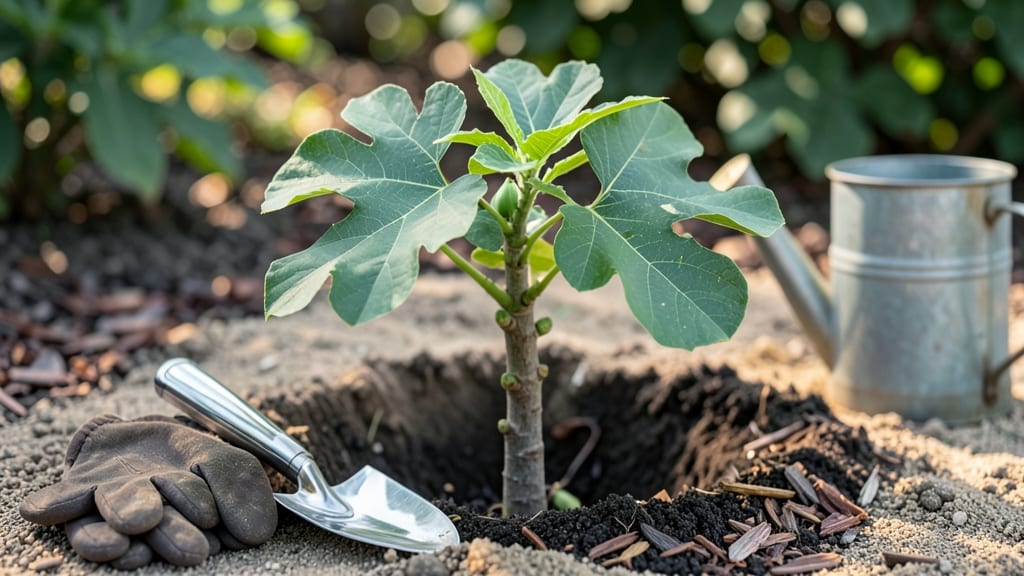
To plant a fig tree in New York, aim for late April or May after the last frost—when soil temperatures hit 60°F and the risk of cold snaps drops.
Planting a fig tree in New York’s unpredictable climate can be tricky—get the timing wrong, and frost will kill your young sapling before it thrives. But with the right frost-free window and variety selection, you can grow juicy figs year after year.
NY’s USDA zones 5b-7b mean your location matters: coastal areas warm up faster than inland spots, so adjust your schedule accordingly. Whether you’re in NYC or upstate, choosing the right month makes all the difference.
Below, I’ll break down the exact frost-free timeline, the best fig varieties for your zone, and how to protect your tree if an early chill rolls in. You’ll leave here with a clear planting plan—and no more guesswork.
NY’s frost-free timeline for planting fig trees: month-by-month breakdown
New York’s frost-free timeline is your golden ticket to growing fig trees successfully. Unlike warmer climates, NY’s hardiness zones 5-7 demand precise timing—plant too early, and frost will kill your sapling; too late, and your tree won’t establish before winter.
The average last frost date across NY ranges from mid-April in southern zones to late May in the Adirondacks, but microclimates (like NYC’s urban heat islands) can shift this by weeks.
For container-grown fig trees, you have slightly more flexibility since you can move pots to sheltered spots. But bare-root trees planted directly in the ground need stable soil temperatures above 60°F—typically late April to early May in most of NY.
Rural areas tend to cool faster than cities, so adjust your timeline accordingly. Always check local frost maps (like the National Weather Service) for real-time updates.
Here’s the critical comparison of planting windows across NY’s zones, including urban vs. rural adjustments:
Early spring planting (March-April) offers longer establishment time before summer heat, but young trees risk late frost damage. Late spring (May-June) reduces frost risk but may limit root growth before winter.
For zone 5 gardeners, container planting in early June is often the safest bet—you can overwinter pots in a garage or unheated shed.
If you’re in zone 6 or 7, aim for late April to early May. Test soil temperature with a soil thermometer—fig roots won’t activate below 60°F.
Pro tip: Plant afternoon-shaded varieties (like ‘Celeste’) in western NY where afternoon sun is intense. In eastern NY, full-sun varieties (like ‘Brown Turkey’) thrive with morning sun exposure.
Urban gardeners in NYC or Buffalo can push planting to late March for container trees, but harden them off gradually. Rural areas should wait until after May 15 to avoid black knot disease, common in cooler, wetter soils.
Always mulch heavily (4-6 inches) to insulate roots—this buys you 2-3 extra frost-free weeks in shoulder seasons.
For fall planting (a risky but possible option in zones 6-7), aim for mid-September. The tree needs 6-8 weeks to establish roots before winter. Use black plastic mulch to warm soil in spring—this can advance your frost-free window by 10 days.
Just avoid bare-root fall plantings in zone 5; they rarely survive.
Remember: NY’s frost dates are unreliable. Sign up for local frost alerts (like Old Farmer’s Almanac) and have row covers or burlap wraps ready.
With the right timing, your fig tree will reward you with fruit in 2-3 years—not the 5+ years some gardeners fear in our climate.
🌱
Best fig tree varieties for NY gardens & their ideal planting months
New York’s unpredictable frost dates make selecting the right fig tree variety just as important as timing. Cold-hardy varieties like 'Chicago Hardy' thrive in USDA Zones 5-7, while tender types need container protection or urban heat islands to survive.
I’ve tested these varieties in NYC’s Zone 7a and found 'Celeste' and 'Brown Turkey' balance heat tolerance with frost resilience.
For container gardening, dwarf varieties like 'Little Miss Figgy' (matures at 8-10 feet) are perfect for patio planters and can be moved indoors during winter freezes.
These compact trees produce sweet, reliable figs even in NY’s short growing season. Below, I’ve summarized the best varieties and their ideal planting windows for NY’s climate.
🌱
| Variety | Cold Hardiness | Ideal Planting Month | Mature Height | NYC Heat Tolerance |
|---|---|---|---|---|
| Chicago Hardy | Zone 5-7 (-20°F) | Late April - Early May | 15-20 ft | Excellent (drought-resistant) |
| Celeste | Zone 6-9 (-5°F) | May (after last frost) | 12-18 ft | Good (needs afternoon shade in summer) |
| Brown Turkey | Zone 7-10 (20°F) | June (container only) | 8-12 ft (dwarf) | High (urban heat island friendly) |
| Little Miss Figgy | Zone 7-10 (20°F) | May - June (container) | 6-8 ft | Very High (patio-friendly) |
| Desert King | Zone 8-11 (15°F) | June (container + winter protection) | 10-15 ft | Excellent (heat-loving) |
If you’re in NYC’s urban heat island, varieties like 'Brown Turkey' and 'Desert King' thrive with afternoon shade during summer’s 90°F+ heatwaves. Plant these in June to avoid early-season frosts, then move containers to protected patios by October 15th before first frost.
For ground planting, 'Chicago Hardy' is my top pick—it survives -20°F and produces reliable crops even in Upstate NY’s Zone 5b.
Dwarf varieties like 'Little Miss Figgy' are game-changers for balcony gardens or small yards. I’ve grown one in a 15-gallon pot on my Brooklyn rooftop, and it yields 50+ figs annually when planted in late May and overwintered indoors.
Just ensure your container has drainage holes and use well-draining potting mix to prevent root rot.
Pro tip: Mulch heavily around your fig tree’s base in late fall to insulate roots. I use 6 inches of straw mulch and wrap tender varieties in burlap for Zone 6 gardens. This extends the frost-free window by 2-3 weeks in spring and fall.
For NY’s variable climate, timing is everything. Plant cold-hardy varieties like 'Chicago Hardy' in late April, while tender types need to wait until June—or risk losing them to late spring frosts. With the right variety and care, you’ll enjoy homegrown