
Pests
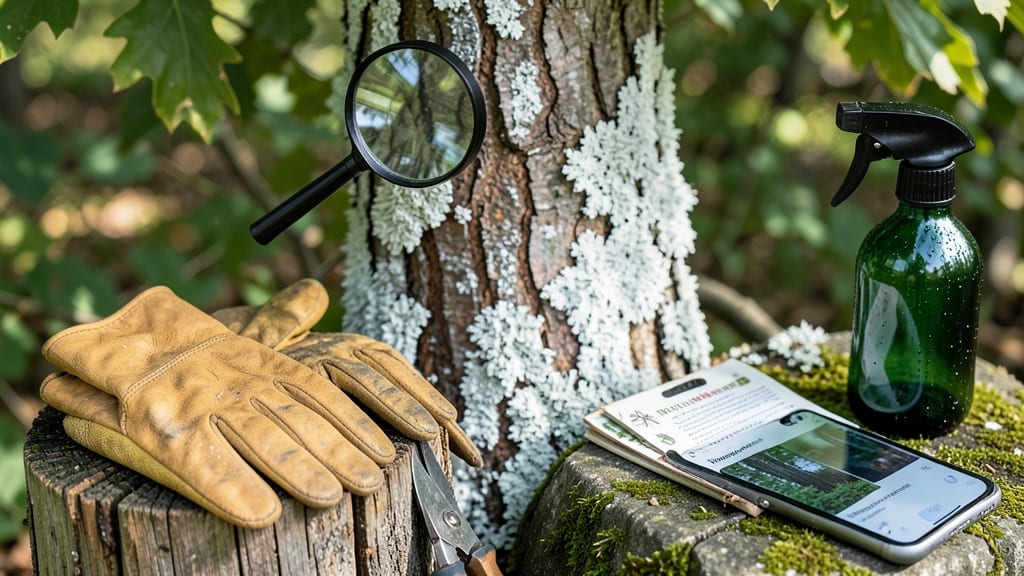
That chalky white stuff on your tree branches isn’t just unsightly—it’s a cry for help. 🌿 Whether it’s powdery mildew, scale insects, or even salt buildup, identifying the culprit is the first step to saving your tree.
I’ve spent years diagnosing these issues, and I’ll walk you through how to tell them apart and fix them for good.
The good news? Most white residue problems have organic solutions that work fast without harsh chemicals. Powdery mildew responds to neem oil sprays, while scale insects need a good scrubbing with soapy water. Even environmental buildup can be rinsed away safely. The key is acting before the issue spreads.
By the end, your tree will look clean, healthy, and thriving—no more white film ruining its branches. You’ll learn how to prevent future outbreaks too, so this becomes a one-time fix. Let’s get started with the identification process first.
This works for fruit trees, shade trees, and even houseplants—no matter what you’re dealing with, the right approach makes all the difference. And don’t worry: every method here is plant-safe and easy to apply at home.
Why it happens
When you spot that mysterious white stuff clinging to your tree branches, it’s rarely just a random coincidence—it’s usually a sign of nature’s hidden battles.
Whether it’s a fungal feast, a pest party, or environmental stress, these white deposits are often the result of microscopic organisms or insects going about their business. Let’s break down the most common causes and why they turn your tree into a white, frosty spectacle.
🍄 Fungal Spores: The Silent Invaders
Fungi are the most frequent culprits behind that ghostly white residue. When you see a powdery or fluffy coating, it’s often mildew, mold, or lichen—all of which thrive in moist, shaded conditions. Here’s how it happens:
- Powdery Mildew: This fungal disease spreads like wildfire in humid climates, forming white, talcum-like patches on leaves and branches. It feeds on organic matter, including plant sugars, and releases spores that drift on the wind. Pro tip: If your tree is in a low-light, high-humidity spot, it’s a prime target. 🌡️
- Mold: Unlike mildew, mold appears fuzzy or cottony and often indicates decaying wood or organic debris trapped in the branches. It’s not just unsightly—it can weaken tree health by blocking sunlight and clogging pores. ✨
- Lichen: This isn’t a single organism but a symbiotic relationship between fungi and algae or cyanobacteria. The white or grayish crust you see is the fungi’s mycelium, while the algae provide food via photosynthesis. Lichen loves old, weathered bark and thrives in clean, pollution-free air—so if your tree is covered, it might be a sign of low urban pollution! 🏙️→🌿
💡 Actionable Tip: If you suspect fungal growth, avoid touching it bare-handed (some spores can irritate skin). Instead, gently scrape a small sample into a sealed bag for identification or consult a local arborist.
🐛 Insect Activity: The Unseen Guests
Not all white stuff is fungal—some of it is left behind by tiny, six-legged roommates. Insects like scale insects, mealybugs, or aphids excrete a sticky substance called honeydew, which then attracts sooty mold. Here’s the breakdown:
- Honeydew: These insects pierce plant cells to suck out sap, leaving behind a sugary waste product. When honeydew dries, it creates a white, crusty residue. Pro tip: Look for black sooty mold growing on the honeydew—it’s a dead giveaway for an infestation. 🕵️♂️
- Cottony Cushion Scale: This pest produces a white, fluffy covering that resembles wool or cotton. It’s often found in clusters on branches and can smother buds, stunting growth. 🧵
- Mealybugs: These pests leave behind a white, powdery residue as they feed. They thrive in warm, dry conditions and are common on fruit trees and ornamentals.
🔥 Warning: Heavy infestations can weaken trees, making them susceptible to disease. If you spot sticky residue or ants (they farm honeydew!), act fast—these pests multiply quickly.
🌫️ Environmental Factors: Nature’s Whiteout
Sometimes, the white stuff isn’t biological at all—it’s purely environmental. Here are the most common non-living causes:
- Frost or Ice Crystals: In winter, trees can develop frost bloom—a white, crystalline coating that forms when moisture in the tree freezes overnight. It’s harmless and disappears with warmer temps. ❄️
- Pollution or Mineral Deposits: In urban areas, trees near roads or industrial zones may accumulate gypsum (calcium sulfate) or lime from vehicle exhaust or spray drift. This appears as a white, chalky residue. 🚗💨
- Bird Droppings or Nesting Material: Birds like pigeons or sparrows leave behind white guano (droppings) or shredded nesting material, which can look like a white dusting. 🐦
🎯 Quick Check: Rub your finger over the white substance. If it smears like chalk, it’s likely mineral deposits. If it brushes off easily, it could be frost or lichen.
🌱 Tree Stress: Weakness Attracts Problems
Stressed trees are like open invitations for pests and fungi. Common stressors include:
- Drought or Overwatering: Both extremes disrupt a tree’s natural defenses, making it easier for pathogens to take hold. 💧➡️🌵
- Poor Nutrition: A deficiency in nitrogen, phosphorus, or micronutrients weakens bark and leaves, inviting fungal growth. 🍃
- Physical Damage: Cuts, scrapes, or animal bites create entry points for fungi and insects. ⚔️
💡 Preventative Tip: Healthy trees resist infestations better. Mulch properly, water deeply but infrequently, and fertilize based on soil tests to keep your tree in fighting shape.
Quick Fixes for Tree Branch Mysteries
If you’ve spotted that puzzling white stuff on your tree branches, don’t panic—most causes have simple, organic solutions. Below, we’ve mapped out the most common culprits and the best ways to tackle them, along with prevention tips to keep your trees thriving.
Let’s roll up our sleeves and get to work! 🌳✨
Fix It:
- Prune for airflow 🌬️
- Remove heavily infected branches (wear gloves!) and dispose of them in the trash, not your compost bin. Fungal spores can linger in mulch or soil.
- Thin out dense foliage to improve sunlight and air circulation—fungi love damp, shaded spots.
- Spray with organic fungicides 💦 - Mix 1 tablespoon baking soda + 1 teaspoon dish soap + 1 gallon water in a spray bottle.
Test on a small branch first to avoid leaf burn. - For stubborn cases, try a neem oil solution (1 tbsp neem oil + 1 tsp mild soap per quart of water). Spray early in the morning or evening to avoid harming bees.
- Boost tree health naturally 🌱
- Apply compost or worm castings around the base to strengthen the tree’s immune system.
- Water at the base (not the leaves) to reduce moisture on foliage.
Prevention Tips: ✅ Water early (before 10 AM) to let leaves dry quickly. ✅ Space trees 6–10 feet apart to prevent overcrowding. ✅ Avoid overhead watering—use drip irrigation or soaker hoses.
Fix It:
- Blast off pests with water 💦
- Use a hose with a strong stream to dislodge soft-bodied insects like mealybugs. Do this in the early morning or late evening.
- Drown them in soapy water 🧼
- Mix 1 teaspoon mild liquid soap (like Castile) per quart of water and spray directly on infested areas. Repeat every 5–7 days until gone.
- Introduce beneficial predators 🐞
- Ladybugs, lacewings, and parasitic wasps eat scale and mites. Buy them online or attract them with native plants like dill or yarrow.
Prevention Tips: 🔹 Inspect trees regularly—catch infestations early! 🔹 Avoid broad-spectrum pesticides—they kill helpful insects too. 🔹 Keep trees healthy—stressed trees attract more pests.
Fix It:
- Gently brush off deposits 🧹
- Use a soft brush or cloth to wipe away crusty white residue. Avoid scrubbing too hard—you might damage bark.
- Rinse with water 💧
- Hose down the branches gently to remove remaining buildup. Avoid high pressure near the trunk.
- Amend the soil 🌿
- If the issue stems from salt-heavy soil (common near roads or fertilized lawns), mix compost or peat moss into the top 6 inches of soil to dilute salts.
Prevention Tips: ✅ Test your soil—use a DIY kit to check pH and salt levels. ✅ Use organic fertilizers—they break down gently and won’t leave harsh residues. ✅ Water thoroughly after fertilizing to rinse excess nutrients away from branches.
Fix It:
- Wipe with a damp cloth 🧻
- Moisten a cloth with warm water and a drop of vinegar to dissolve chalky deposits safely.
- Vinegar rinse (diluted!) 🍶
- Mix 1 part white vinegar with 3 parts water and lightly spray affected areas. Test on a small branch first.
- Monitor for tree stress 🌱
- If the tree looks wilted or discolored, deep-water it and avoid further treatments until it recovers.
Prevention Tips: 🚫 Avoid spraying trees directly—aim pesticides at the ground or use barrier methods. 🌧️ Water trees before treatments to reduce absorption of harsh chemicals.
- Mulch properly: Keep mulch 2–3 inches deep and 6 inches away from the trunk to prevent moisture buildup.
- Choose resistant tree varieties: If fungal issues are common in your area, opt for disease-resistant species like oak, maple, or serviceberry.
- Encourage biodiversity: A healthy garden ecosystem naturally regulates pests and fungi.
Pro Tip: 💡 When in doubt, snap a photo and consult your local cooperative extension service—they can help ID the exact issue and recommend tailored solutions!
Frequently asked questions
Is that white stuff on my tree branches harmful?
It depends! If it’s powdery mildew or sooty mold, it can weaken your tree over time by blocking sunlight. However, harmless causes like lichen or frost bloom won’t hurt your tree at all. Always check for signs of pests (like sticky residue) or fungal growth before assuming it’s safe.
How do I tell if it’s a fungus or insect problem?
Look closely: Fungal issues (like powdery mildew) appear as white, powdery patches, while insect problems often leave behind sticky honeydew or white, fluffy cotton-like coverings. If you see ants crawling on the branches, that’s a sure sign of sap-sucking pests—they’re farming the honeydew!
Can I use household items to clean my tree branches?
For fungal growth, mix 1 tablespoon baking soda + 1 teaspoon dish soap + 1 gallon water and spray it on. For insects or mineral deposits, a soapy water solution (1 tsp mild soap per quart of water) works great. Always test a small area first to avoid damaging leaves.
Will pruning help get rid of the white stuff?
Yes, but only if you remove the infected or infested branches. Prune in dry weather and dispose of clippings in the trash (not compost) to prevent spreading spores. Thin out dense areas to improve airflow—this helps prevent future outbreaks by reducing humidity near the branches.
How often should I check my trees for this issue?
Check your trees every 2–4 weeks during growing season (spring to fall). Early detection is key—catching problems before they spread makes treatment much easier. If your tree is near a road or in a humid area, check more frequently since these spots are higher-risk for buildup.