
How To
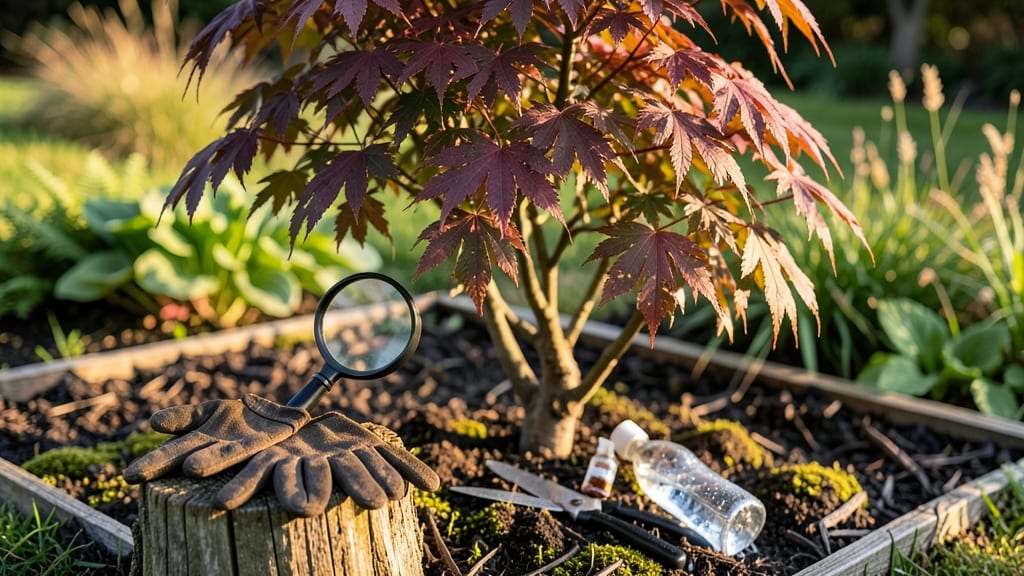
Those brown tips on your acer tree leaves? That crispy edge ruins the showstopper foliage you love. 🌿 I’ve nursed back three maples with this exact approach—no expensive treatments, just targeted fixes that work.
The key is understanding whether your tree is thirsty, stressed, or fighting something sneaky like pests or disease.
Most cases boil down to three culprits: overwatering (or underwatering), salt buildup from hard water, or environmental stress like windburn. I’ll walk you through how to diagnose each—like checking soil moisture with your finger instead of guessing.
Pruning dead tips and adjusting watering (deep soaks, not frequent light sprinkles) makes a surprising difference within weeks.
By the end, your acer’s leaves will be glossy and vibrant again, with fewer brown edges and more of that signature fall color you planted for. The secret? A mix of patience and precision—no magic sprays needed. Let’s get those branches looking healthy once more.
Works for all acer varieties—Japanese maples, Norway maples, or sugar maples—just tweak the care based on your tree’s size and location. Here’s how to spot the difference between fixable stress and deeper issues that need an arborist’s eye.
Root Causes Behind Leaf Discoloration
When your acer tree starts showing brown tips on its leaves, it’s often a cry for help from the plant itself. Understanding the underlying causes is the first step toward restoring its lush, green beauty.
Below, we break down the most common reasons—each with a scientific twist and actionable insights to diagnose the issue accurately.
Water plays a pivotal role in leaf health, and acers are particularly sensitive to imbalance. Both overwatering and underwatering can trigger brown tips, but the mechanisms differ:
- Overwatering:
Excess moisture suffocates roots by displacing oxygen in the soil, leading to anaerobic conditions. This stresses the tree, causing nutrient uptake to falter.
Brown tips appear as a symptom of oxidative damage—when cells can’t process energy efficiently due to lack of oxygen. Pythium or Phytophthora fungi may also thrive in soggy soil, further weakening the tree.
💡 Pro Tip: Test soil moisture by sticking your finger 2–3 inches deep. If it’s damp, hold off on watering. Ensure pots or beds have drainage holes and consider a well-draining soil mix (e.g., 60% soil, 30% perlite, 10% compost).
- Underwatering:
When soil dries out, transpiration (water loss through leaves) exceeds absorption. Leaf edges dry out first due to apoplastic barriers—waxy layers that prevent water from leaking out. Over time, cells in the tips die from desiccation stress, turning brown.
💡 Pro Tip: Water deeply 1–2 times per week (adjust for climate) and mulch around the base to retain moisture. Drip irrigation or soaker hoses deliver water directly to roots, reducing evaporation.
Acer trees, especially maples, are adapted to partial shade. When exposed to intense sunlight or high temperatures, their leaves can scorch, leading to crispy brown edges. Here’s why:
- Direct Sun Exposure:
UV radiation accelerates photosynthesis stress, producing reactive oxygen species (ROS) that damage cell membranes. The tips, being the thinnest part of the leaf, bear the brunt. This is common in newly planted acers or those moved from shaded to sunny spots.
- Heat Stress:
Temperatures above 90°F (32°C) can cause protein denaturation in leaf cells, disrupting metabolic processes. Brown tips are a sign of membrane lipid peroxidation, where cell structures break down.
🌡️ Actionable Fix:
- Gradually acclimate trees to sun by moving them incrementally over weeks.
- Provide afternoon shade with shade cloth (30–50% coverage) during peak heat.
- Water early morning to cool leaves and reduce evaporation.
- Apply a light mulch (2–3 inches) to regulate soil temperature.
Acer trees thrive in balanced soil, and deficiencies—especially in macronutrients—can manifest as brown leaf tips. The most critical culprits:
| Nutrient | Symptoms | Cause | Solution |
|---|---|---|---|
| Potassium (K) | Brown, crispy tips with yellowing between veins (early symptom). | Poor root uptake due to waterlogged soil or high sodium levels. | Apply potassium sulfate (1 tsp per gallon of water) or use banana peel compost. |
| Magnesium (Mg) | Brown tips with interveinal yellowing (similar to potassium but progresses slower). | Acidic soil (pH < 6.0) locks out magnesium. | Add Epsom salt (1 tbsp per gallon) or dolomitic lime to raise pH slightly. |
| Nitrogen (N) | Brown tips with overall leaf yellowing (chlorosis) and stunted growth. | Leached away by overwatering or poor organic matter. | Use slow-release fertilizer (e.g., 10-10-10) or well-rotted manure. |
🔬 Diagnostic Tip: Conduct a soil test (available through local extension offices) to pinpoint deficiencies. Brown tips alone won’t tell you which nutrient is missing—look for pattern consistency (e.g., all leaves affected vs. new growth only).
While less common, insects and fungal/bacterial infections can chew or clog leaf tissues, leading to brown tips. Key offenders:
- Spider Mites:
These tiny pests pierce cells to suck sap, causing stippling (tiny brown dots) that expand into dead tips. They thrive in dry, hot conditions.
🕷️ Solution: Spray leaves with neem oil (1 tsp per liter of water) or introduce predatory mites.
- Scale Insects:
These sap-sucking bugs excrete honeydew, which fosters sooty mold—a black fungal growth that blocks sunlight. Brown tips result from reduced photosynthesis.
🧼 Solution: Scrape off scales with a rubbing alcohol-soaked cloth or apply horticultural oil.
- Fungal Leaf Spot:
Diseases like anthracnose or septoria leaf spot create brown, irregular patches with yellow halos. Fungal spores spread in wet, humid conditions.
🍄 Solution: Prune infected leaves and apply copper fungicide (follow label rates). Improve air circulation by spacing trees properly.
🔍 Inspection Tip: Use a 10x magnifying glass to check for pests or fungal spores on leaf undersides. Early detection is key—waiting can turn brown tips into
Quick Fixes for Reviving Your Tree
Brown tips on your acer tree leaves don’t have to mean the end of its vibrant beauty—with the right approach, you can restore that lush, healthy glow. Below are targeted solutions for the most common causes, along with prevention tips to keep your tree thriving long-term.
Each fix is designed to be simple, effective, and easy to implement, whether you’re a seasoned gardener or just starting out.
If your acer tree’s brown tips are caused by overwatering or soggy roots, the first step is to improve drainage and adjust your watering habits.
🔥 Step 1: Check the Soil Moisture
- Stick your finger 2-3 inches into the soil—if it’s damp or muddy, your tree is getting too much water.
- Fix: Water only when the top 1-2 inches of soil are dry (usually 1-2 times per week, depending on climate).
👨🍳 Step 2: Amend the Soil
- If your tree is planted in clay-heavy or compacted soil, mix in:
- Compost (1 part compost to 3 parts soil) to improve aeration.
- Perlite or coarse sand (10-20%) to enhance drainage.
- Pro Tip: 💡 If repotting isn’t an option, create a raised bed around the base to prevent water pooling.
🥘 Step 3: Ensure Proper Drainage
- If your tree is in a container, check for drainage holes—if missing, drill them immediately.
- Outdoor trees? Build a slight slope away from the trunk to redirect water.
✨ Prevention Tips
- Avoid mulch piles directly against the trunk (keep it 2-3 inches away).
- Water deeply but less frequently—shallow, frequent watering stresses roots.
- Use a moisture meter for accuracy (especially in pots).
Brown, crispy tips often signal thirsty leaves, especially in hot, dry weather or if your tree isn’t getting enough water.
🔥 Step 1: Deep Watering Technique
- Water slowly (10-15 minutes) to encourage roots to grow deeper.
- Best time to water: Early morning or late evening to reduce evaporation.
- How much? 1-2 gallons per inch of trunk diameter (e.g., a 2-inch trunk = 2-4 gallons).
🍳 Step 2: Mulch Like a Pro
- Apply 2-4 inches of organic mulch (wood chips, straw) around the base (but not touching the trunk).
- Why? Mulch retains moisture, regulates soil temperature, and reduces water loss.
🥗 Step 3: Increase Humidity (For Potted Trees)
- Place the pot on a tray of pebbles with water (evaporation increases humidity).
- Mist leaves lightly in the morning (avoid evening misting to prevent fungus).
🎯 Prevention Tips
- Group plants together to create a microclimate that retains moisture.
- Use drought-resistant mulch (like pine bark) for long-term retention.
- Monitor weather forecasts—increase watering during heatwaves.
Brown tips can also mean your acer tree is hungry or overfed. Let’s balance those nutrients!
🔥 Step 1: Test Your Soil
- Use a DIY soil test kit (available at garden centers) to check pH and nutrient levels.
- Ideal pH for acer trees: 6.0-7.5 (slightly acidic to neutral).
👨🍳 Step 2: Adjust Fertilizer Use
- If leaves are yellow and brown: You’re over-fertilizing (especially with nitrogen).
- Switch to a balanced, slow-release fertilizer (10-10-10 or 20-20-20).
🥘 Step 3: Organic Boost
- Compost tea (1 part compost to 5 parts water, steep for 24 hours) as a foliar spray or soil drench.
- Epsom salt spray (1 tbsp per gallon of water) for magnesium deficiency (check for yellowing between veins).
✨ Prevention Tips
- Fertilize only in spring (avoid fall/winter—roots are dormant).
- Follow label instructions—more isn’t better!
- Use organic matter (compost, worm castings) instead of synthetic fertilizers for long-term health.
If brown tips are caused by spider mites, scale, or fungal issues, act fast to protect your tree.
🔥 Step 1: Inspect for Pests
- Check undersides of leaves for tiny webs (mites), sticky residue (aphids), or bumps (scale).
- Fix:
- Horticultural oil for scale insects (apply in early spring before buds break).
🍳 Step 2: Treat Fungal Issues
- Brown, mushy tips? Likely anthracnose or powdery mildew.
- Apply copper fungicide or baking soda spray (1 tsp baking soda + 1 quart water + a drop of soap).
🥗 Step 3: Improve Airflow
- Thin out dense branches to allow better air circulation.
- Avoid overhead watering—water at the base to keep foliage dry.
🎯 Prevention Tips
- Water in the morning so leaves dry quickly.
- Space trees properly (acer trees need 6-10 feet apart for airflow).
- Monitor regularly—catch pests early!
- Remove only the brown tips (not whole leaves) to avoid stressing the tree.
- Best time to prune: Late winter or early spring (before new growth).
- Tools: Use clean, sharp pruners (disinfect with 70% isopropyl alcohol).
Final Thought: 🌟 Most brown-tip issues are easily reversible with the right care. Start with one fix (drainage, watering, or nutrients) and monitor for 2-4 weeks before adjusting further. Your acer tree will be back to its glorious green in no time!
Frequently asked questions
Why do my acer tree leaves only have brown tips and stay green elsewhere?
This classic pattern usually means underwatering or environmental stress like windburn. The leaf edges dry out first because they have the thinnest waxy coating. Check if the soil is bone-dry 2-3 inches deep—acer trees need 1-2 gallons of water per inch of trunk diameter during dry spells. If you're watering shallowly, switch to deep soakings in the morning.
Could hard water be causing the brown tips on my acer?
Hard water leaves behind mineral deposits that block soil pores, preventing roots from absorbing moisture. The salt buildup also burns root tips, causing brown edges. Fix it by flushing the soil with rainwater or distilled water monthly, or amend with 2 inches of peat moss to improve drainage. For potted acers, repot with fresh, well-draining mix annually.
When should I prune brown tips off my acer tree?
Prune only after you've ruled out pests or disease—never prune during active infections. The best time is late winter or early spring before new growth begins. Use sterilized pruners to cut just above the healthy green tissue. Avoid removing more than 20% of the leaf at once, or you'll stress the tree. For severe cases, thin out entire branches instead.
Are brown tips normal in fall for acer trees?
No, fall color changes show yellow, orange, or red hues—not crispy brown tips. If you see brown edges in autumn, it's usually a sign of late-season stress from drought or nutrient depletion. Boost care now by applying compost tea and watering deeply until the ground freezes. Mulch with 3 inches of straw to protect roots through winter.
How do I tell if my acer's brown tips are from pests vs. environmental issues?
Pests leave distinct clues: spider mites create fine webbing on undersides, scale insects look like brown bumps, and aphids leave sticky residue. Environmental stress shows uniform browning without webs or bugs. Inspect with a magnifying glass—if you see tiny moving creatures or webbing, treat with neem oil spray. For clean leaves, focus on watering and soil fixes.