
Trees
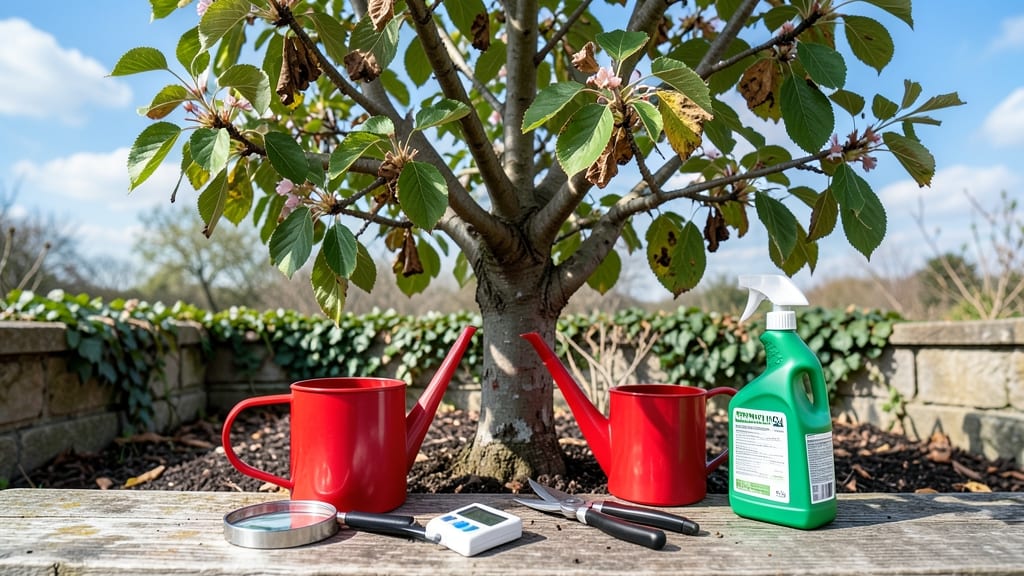
When your cherry tree’s leaves turn brown, it’s not a death sentence—it’s a call to action. 🌿 I’ve nursed back more trees than I’d like to admit, and the key is identifying why the browning started before treating it.
Is it drought stress, fungal spots, or something else? The fix depends on the cause, and I’ll walk you through the three most common culprits and their solutions.
Most browning stems from one of three issues: underwatering or overwatering, fungal infections (like bacterial leaf spot), or environmental stress (heat, wind, or poor soil). The first step is examining the leaves—are the brown spots dry and crispy, or slimy and spreading?
That tells you whether you’re dealing with drought, disease, or something else entirely. I’ve even seen browning from too much fertilizer—yes, really.
Once you pinpoint the problem, revival is straightforward. Prune affected branches to improve airflow, adjust your watering schedule (deep and infrequent beats shallow and frequent), and apply a copper fungicide if you spot slimy spots or blackened veins.
Within weeks, you’ll see fresh green growth pushing through, and your tree will look like it did in its prime.
This works for both sweet and tart cherries, whether your tree is young or mature. The secret is catching it early—before the browning spreads to the branches. Let’s get your tree back to its vibrant best before the next season rolls around.
Understanding Leaf Discoloration Causes
When your cherry tree’s leaves turn brown, it’s often a cry for help from the tree itself. 🌳💔 Understanding the root causes—whether environmental, biological, or physiological—is the first step to restoring its health.
Below, we break down the most common reasons behind brown leaves on cherry trees, explained in clear, actionable terms.
Cherry trees are sensitive to their surroundings, and sudden changes can trigger browning leaves. Here’s what’s likely stressing your tree:
- 🌡️ Extreme Temperatures Cherry trees thrive in moderate climates but struggle with heatwaves or frost damage. High temperatures (above 90°F/32°C) can cause leaf scorch, where edges turn brown and crispy.
Meanwhile, late spring frosts can damage new growth, leading to premature browning. Actionable fix: Provide afternoon shade during heatwaves with lightweight shade cloth and protect young trees with frost blankets in early spring.
- 💧 Watering Issues (Too Much or Too Little) Brown leaves often signal root stress from improper watering. - Underwatering: Leaves curl and brown at the edges due to wilting and nutrient deprivation. - Overwatering: Yellowing followed by browning occurs when roots suffocate from poor drainage or waterlogged soil. Actionable fix: Water deeply 1-2 times per week (depending on soil type) and ensure the soil has good drainage.
Test soil moisture by sticking your finger 2 inches into the ground—if it’s dry, water; if soggy, hold off.
- 🌬️ Wind and Physical Damage Strong winds can tear leaves, exposing them to rapid dehydration and browning.
Additionally, hail or mechanical damage (like lawnmower hits) can bruise leaves, leading to discoloration. Actionable fix: Plant windbreaks (like shrubs or fences) to shield the tree and avoid mowing near the trunk.
Fungal pathogens are a leading cause of brown leaves in cherry trees. These diseases thrive in humid, wet conditions and can spread quickly if unchecked.
- 🍄 Leaf Spot Diseases (Cercospora, Anthracnose) These fungi create brown or black spots with yellow halos, often starting at the leaf edges.
Infected leaves may drop prematurely. Signs to watch for: - Small, circular brown patches. - Black fruiting bodies (fungal spores) on undersides of leaves. Actionable fix: - Remove and dispose of infected leaves (do not compost). - Apply copper fungicide in early spring before new growth appears. - Improve air circulation by pruning dense branches.
- 🍂 Powdery Mildew While powdery mildew usually appears as a white, powdery coating, severe infections can cause leaves to yellow and brown as the tree weakens. Actionable fix:
- Spray leaves with neem oil or baking soda solution (1 tsp baking soda + 1 quart water + a drop of dish soap).
- Prune for better sunlight penetration to reduce humidity on foliage.
- 🍃 Root and Crown Rot (Phytophthora, Armillaria) If brown leaves appear alongside mushrooms at the base or soft, mushy roots, your tree may be suffering from root rot. Actionable fix:
- Improve drainage by amending soil with compost or installing a French drain.
- Avoid overwatering and ensure the tree isn’t planted in a low-lying area where water pools.
Pests can sap nutrients from leaves, causing them to brown and die. Common culprits include:
- 🐜 Spider Mites These tiny pests pierce leaves, causing stippling (tiny brown dots) and webbing.
Severe infestations lead to leaf drop. Actionable fix: - Spray leaves with a strong stream of water to dislodge mites. - Use insecticidal soap or neem oil every 5-7 days until mites are gone.
- 🐛 Borers (Peach Tree Borer, Flatheaded Borer) Larvae tunnel under the bark, disrupting nutrient flow and causing wilting and browning. Signs to watch for:
- Sawdust-like frass (borer droppings) near the trunk.
- Oozing sap or peeling bark. Actionable fix:
- Apply borer-specific insecticide (like Bt spray) in early spring.
- Wrap the trunk with tree banding material to trap emerging adults.
- 🐞 Scale Insects These sap-sucking pests create sticky honeydew, which fosters sooty mold (a black, fuzzy fungus). Leaves turn brown as the tree’s energy is drained. Actionable fix:
- Scrape off scales with a plastic scraper (avoid damaging bark).
- Treat with horticultural oil in dormant season.
Brown leaves can also signal nutrient imbalances, particularly in nitrogen, iron, or magnesium.
- 🟡 Nitrogen Deficiency Leaves turn yellow between veins (chlorosis) before browning, especially on older leaves. Actionable fix:
- Apply a balanced fertilizer (10-10-10) in early spring.
- Add compost or well-rotted manure to the soil.
- 🟤 Iron or Magnesium Deficiency
- Iron deficiency (chlorosis): New leaves turn pale yellow with green veins, eventually browning.
- Magnesium deficiency: Older leaves develop brown patches between veins. Actionable fix:
- For iron: Apply chelated iron or sulfur-based amendments.
- For magnesium: Sprinkle Epsom salt (magnesium sulfate) around the base (follow package rates).
- 🔥 Soil pH Imbalance Cherry trees prefer slightly acidic soil (pH 6.0-7.0).
If the soil is too alkaline (pH >7.5), iron and manganese become unavailable, causing browning. Actionable fix: - Test soil pH with a home kit or send a sample to a lab. - Lower pH with elemental sulfur or peat moss. - Raise pH with lime (if soil is too acidic).
Not all brown leaves are a cause for alarm! Some browning is normal and expected:
- 🍂 Fall Senescence As temperatures drop, cherry trees shed leaves naturally. Leaves may turn brown or reddish before falling. What to do:
- Leave fallen leaves to decompose (they return nutrients to the soil).
- Avoid pruning until late winter to prevent disease entry.
- 🌱 New Growth Struggles Young cherry trees may experience temporary browning as they adjust to their environment.
This is usually not fatal if the rest of the tree is healthy. Actionable fix: - Monitor for other symptoms (like wilting or pest signs). - Provide consistent care (water, mulch, and fertilizer) to support recovery.
Revive Your Cherry Tree’s Health
Brown leaves on your cherry tree don’t have to mean the end of its vibrant life—with the right care, you can restore its lush green foliage. Below are practical, step-by-step solutions tailored to the most common causes of browning leaves, plus prevention tips to keep your tree thriving.
Problem: Overwatering or underwatering can cause leaves to turn brown and crispy.
Solution: 🔥 Check the soil moisture – Stick your finger 2-3 inches into the soil. If it’s dry, water deeply; if soggy, hold off until it drains better.
🍳 Improve drainage – If your tree is in a pot, add perlite or sand to the soil mix. For in-ground trees, consider amending the soil with compost or mulch to retain moisture without waterlogging.
👨🍳 Water at the base – Avoid wetting the leaves to prevent fungal diseases. Use a soaker hose or drip irrigation for slow, deep watering.
🥘 Adjust your schedule – Water in the early morning to reduce evaporation and fungal risks. Young trees may need watering 2-3 times a week, while mature ones tolerate drought better.
⏰ Mulch properly – Apply 2-3 inches of mulch (wood chips or straw) around the base (but not touching the trunk) to regulate soil temperature and moisture.
Problem: Fungal infections (like powdery mildew) or pests (aphids, spider mites) can cause brown, spotted, or curled leaves.
Solution: 🔥 Identify the issue – Check for white powder (mildew), tiny webs (spider mites), or sticky residue (aphids). Snap off a leaf and examine it under a magnifying glass if needed.
🍳 Prune infected branches – Use sterilized pruners to remove and dispose of severely damaged leaves or branches. This prevents the spread.
👨🍳 Apply organic fungicides – Mix 1 tsp baking soda + 1 quart water + a drop of dish soap and spray on leaves (test a small area first). For pests, use neem oil (1 tbsp per gallon of water) as a natural repellent.
🥘 Encourage airflow – Thin out dense branches to improve circulation, reducing humidity where fungi thrive.
🎯 Prevent future outbreaks – Space trees properly (6-10 feet apart) and avoid overhead watering.
Problem: Too much sun, poor soil, or nutrient deficiencies can lead to scorched or yellow-brown leaves.
Solution: 🔥 Adjust sunlight exposure – If leaves are bleached or crispy, your tree may be getting too much direct sun. Provide partial shade (especially for young trees) with a lightweight shade cloth if needed.
🍳 Test your soil – Use a DIY soil test kit (available at garden centers) to check pH and nutrient levels. Cherry trees prefer slightly acidic soil (pH 6.0-7.0).
👨🍳 Fertilize smartly – Apply a balanced, slow-release fertilizer (like 10-10-10) in early spring before new growth starts. Avoid over-fertilizing, which can burn roots.
🥘 Add organic matter – Mix compost or aged manure into the soil to boost nutrients. For quick fixes, use fish emulsion (follow package instructions).
🌡️ Watch for heat stress – If your area has sudden heatwaves, provide temporary shade and water more frequently.
✨ Mulch annually – Refresh mulch every spring to maintain moisture and nutrients.
💡 Monitor regularly – Inspect leaves weekly for early signs of stress, pests, or disease.
🔥 Prune in late winter – Remove dead or weak branches before new growth starts to improve tree health.
🎯 Choose the right location – Plant cherry trees where they get 6+ hours of sunlight but with some afternoon shade in hot climates.
🍎 Support young trees – Stake if needed and protect from strong winds that can stress foliage.
With these targeted fixes, your cherry tree should bounce back with vibrant green leaves in no time! 🌿💚 The key is acting fast—once brown leaves spread, recovery takes longer. Start with the most likely cause for your tree and adjust as needed.
Frequently asked questions
Why do cherry tree leaves turn brown in summer?
Summer browning is often caused by heat stress or underwatering. When temperatures exceed 90°F (32°C), leaves may develop crispy brown edges from leaf scorch. Check soil moisture—if the top 2 inches are dry, water deeply in the morning. Provide afternoon shade with lightweight fabric if browning persists.
Can I save my cherry tree if half the leaves are brown?
Yes, but act quickly! First, determine the cause—fungal spots, pests, or water issues? Prune only dead branches to reduce stress, then treat the root issue. For fungal diseases, apply copper fungicide; for pests, use neem oil. Water consistently (deeply 1-2 times/week) and monitor for improvement in 2-4 weeks.
Are brown leaves on cherry trees always a sign of disease?
Not always! Brown leaves can result from natural shedding in fall, nutrient deficiencies (like nitrogen or iron), or environmental stress (wind, frost, or poor soil drainage). Check leaf patterns: crispy edges = drought; slimy spots = fungal disease; yellowing between veins = nitrogen deficiency. Start with soil testing and adjust care accordingly.
How do I tell if my cherry tree has root rot?
Root rot causes yellowing/browning leaves paired with mushy, foul-smelling roots and mushrooms at the base. Gently dig around the roots—healthy roots are firm; rotten ones are brown and mushy. Improve drainage immediately by amending soil with compost or installing a French drain. Avoid overwatering and consider transplanting if rot is severe.
Will pruning help my cherry tree recover from brown leaves?
Pruning alone won’t fix the issue, but it helps! Remove only dead or severely diseased branches to improve airflow and reduce fungal spread. Sterilize pruners with rubbing alcohol between cuts. Focus on treating the root cause (water, nutrients, or pests) while pruning to prevent further stress.