
Trees
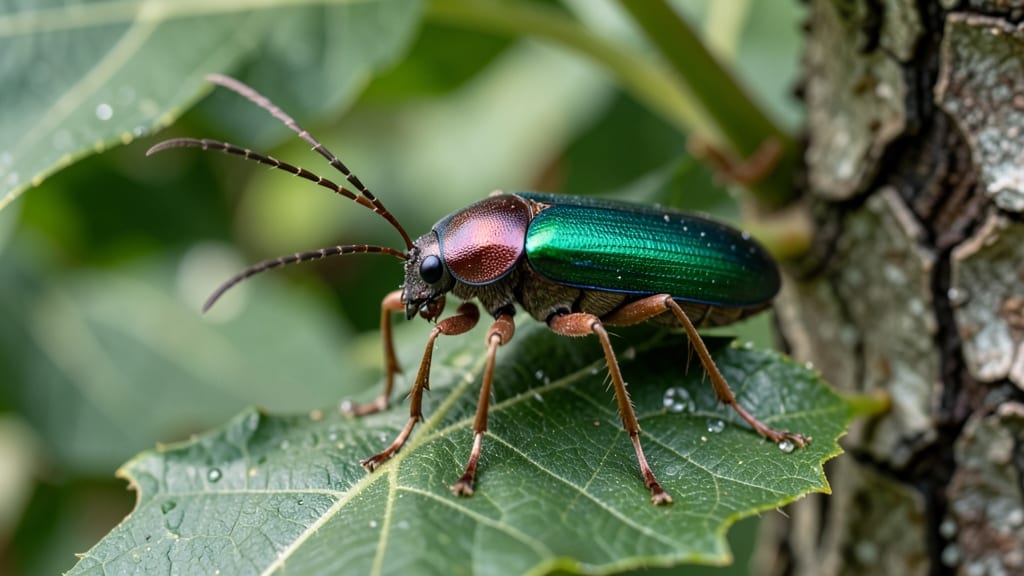
Your fig tree’s sudden decline might not be drought or disease—it’s likely the fig tree borer, a sneaky pest that tunnels through bark and kills branches faster than you’d expect. 🌿 I’ve seen these pests turn a thriving tree into a skeleton in just a few months, but there’s hope: organic control works if you act fast and know what to look for.
The first sign is usually sawdust-like frass around the trunk or branches—borers chew through wood, leaving behind these tiny wood shavings. Then you’ll spot tiny holes, wilting leaves, or even oozing sap where the larvae are feeding.
The damage happens underground or inside the trunk, so by the time you see the symptoms, it’s often too late for half-measures.
What I’ve found works best is a two-step approach: first, prune and remove infected branches immediately (seal the cuts with pruning paint), then apply a neem oil spray or beneficial nematodes to the soil and trunk.
Repeat every 2-3 weeks during the growing season, and you’ll see new growth within 4-6 weeks if the tree isn’t already too far gone.
Long-term, healthy trees resist borers better—so mulch well, water deeply but not excessively, and avoid wounding the bark with tools. The key is catching it early: most borer damage happens between late spring and early summer, so check your tree every few weeks during that window.
Root Causes of Tree Damage
Understanding why destructive insects like the fig tree borer target your trees is the first step in stopping them. These pests don’t strike randomly—they’re drawn by specific conditions in your environment, tree health, and even seasonal changes.
Below, we break down the key triggers that turn your fig trees into a buffet for these wood-boring invaders.
A healthy tree is like a fortress—strong bark, resilient roots, and a robust immune system keep pests at bay. But when trees are stressed, their defenses crumble, making them prime targets for borers.
- Nutrient Deficiencies 🌱 Trees lacking essential nutrients (like nitrogen, phosphorus, or potassium) produce thinner bark and weaker sap flow. Borers detect these weaknesses and lay eggs in vulnerable spots. Look for:
- Yellowing leaves (chlorosis)
- Stunted growth
- Brittle or peeling bark
- Water Stress 💧 Both overwatering (leading to root rot) and underwatering (causing drought stress) weaken trees. Borers thrive in trees that can’t recover quickly from moisture imbalances. Signs include:
- Wilting despite moist soil
- Cracked or sunken bark
- Sudden leaf drop
- Physical Injury 🪓 Broken branches, deep pruning cuts, or even construction damage expose the tree’s inner layers. Borers exploit these entry points, tunneling into fresh wounds. Pro tip: Always prune in dry conditions and seal large cuts with organic tree wound dressing.
Borers aren’t picky—they love trees in the right conditions. If your yard mimics their preferred environment, you’ll see more infestations.
- Warm, Humid Climates 🌡️ Fig tree borers (like Xyleborus species) thrive in temperatures above 75°F (24°C) and high humidity. They’re most active in:
- Late spring to early fall
- Regions with long, hot summers
- Microclimates near dense foliage or poor airflow
- Stagnant Water Near Trees 💦 Standing water around the base of trees creates the perfect breeding ground. Borers and their larvae need moisture to survive, so:
- Fix leaky irrigation systems
- Ensure proper drainage in planting holes
- Avoid over-mulching, which can trap moisture
- Old or Dying Trees 🪵 Borers often attack trees already struggling with disease, fungal infections, or decay. If your fig tree shows: - Fungal growth (mold, mushrooms at the base) - Oozing sap or resin - Hollow-sounding wood when tapped …it’s a red flag.
These trees are high-risk for borer infestations.
Sometimes, well-meaning gardening practices accidentally create a welcoming mat for borers. Here’s how:
- Improper Pruning 🪓
- Cutting too close to the trunk (within 12 inches) removes protective bark layers.
- Leaving stubs or jagged edges creates easy entry points.
- Fix: Use clean, sharp tools and make cuts at a 45° angle just outside the branch collar.
- Over-Fertilizing with Nitrogen 🌿 While nitrogen promotes leafy growth, excessive use leads to soft, watery wood—borers’ dream! Balance your fertilizer with:
- A soil test to check nutrient levels
- Slow-release organic fertilizers
- A mix of nitrogen, phosphorus, and potassium (e.g., 10-10-10 ratio)
- Ignoring Early Signs of Infestation 🚨 Borers start small.
If you wait until you see sawdust-like frass or exit holes, the damage is often irreversible. Act fast if you spot: - Tiny holes in the bark (1–3mm wide) - Woodpecker activity (they’re eating borer larvae!) - Wilting branches despite normal watering
Key Takeaway: Borers don’t attack healthy, well-maintained trees. By addressing nutritional needs, moisture balance, and physical vulnerabilities, you remove the invitation. In the next section, we’ll cover how to disrupt their life cycle before they cause irreversible harm.
Beat Back Wood-Boring Invaders
If your fig tree is under siege by wood-boring pests, don’t panic—there are effective, organic solutions to reclaim your tree’s health. The key is acting fast and combining preventive care with targeted treatments.
Below, we break down the best fixes based on the root cause of the infestation, from early signs to severe damage.
Catching borers early is your best defense. If you spot sawdust-like frass, small holes, or weakened branches, act immediately.
🔥 Fix It:
- Prune Infested Branches: Use sterilized pruning shears to cut out and remove (don’t compost!) branches with visible holes or oozing sap. Seal the cuts with pruning sealant to prevent further entry.
- Apply Beneficial Nematodes: These microscopic allies paralyze and kill borer larvae naturally. Mix Steinernema carpocapsae or Heterorhabditis bacteriophora with water and spray into the soil around the tree’s drip line. Best done in early morning or late evening for maximum effectiveness.
- Neem Oil Spray: A 1% neem oil solution (1 tbsp per gallon of water + a drop of dish soap as an emulsifier) smothers larvae and disrupts their life cycle. Spray directly into holes and on bark.
💡 Pro Tip:
For prevention, apply neem oil every 4–6 weeks during borer season (spring to fall). Pair it with mulching to retain moisture and stress-free roots—borers target weak trees!
If your tree is already weakened or showing large exit holes, you’ll need a multi-step approach to save it.
🍳 Fix It:
- Drill & Inject: Use a 1/8-inch drill bit to bore into the holes (go deeper than the visible damage). Inject a mix of:
- 1 part horticultural oil
- 1 part water
- 1 tsp borax (optional, for severe cases) This drowns larvae and starves them. Repeat every 2–3 weeks until no new frass appears.
- Encourage Predators: Introduce woodpeckers (their natural diet includes borers!) by installing a woodpecker box near the tree. Ladybugs and parasitic wasps also help—plant dill, fennel, or yarrow nearby to attract them.
- Soil Drench with Kaolin Clay: Mix 1 cup kaolin clay with 1 gallon of water and pour it into the soil. The clay forms a protective barrier that deters borers from laying eggs.
👨🍳 Step-by-Step Guide to Drilling & Injecting:
- Safety first: Wear gloves and goggles.
- Locate holes: Tap branches—hollow sounds mean borer activity.
- Drill at an angle: Insert the drill bit into the hole and twist gently to create a deeper channel.
- Inject the mix: Use a baster or syringe to fill the hole completely.
- Seal the hole: Plug with a wooden toothpick dipped in neem oil.
⏰ Timing Matters:
Do this in early spring when larvae are young and vulnerable. Avoid treating in extreme heat—oils can burn the tree.
If the tree is structurally compromised (large dead sections, oozing sap, or fungal growth), it may be beyond saving. But before giving up:
🔪 Fix It:
- Assess the Damage: If over 30% of the trunk/branches are compromised, consult an arborist. They can determine if cabling or bracing (supporting weak branches) is an option.
- Root Feed with Mycorrhizal Fungi: Boost the tree’s immune system with a mycorrhizal inoculant (like Rhizobium or Trichoderma). This helps roots fight stress and recover faster.
- Replace if Necessary: If the tree is a safety hazard, remove it properly (cut stump flush with the ground and treat with copper sulfate to prevent regrowth).
🎯 Long-Term Prevention:
Once your tree is healthy again, keep borers away for good with these habits:
- 🌡️ Monitor tree health: Water deeply 1–2 times per week (borers love drought-stressed trees).
- ✨ Fertilize organically: Use compost tea or fish emulsion to keep the tree robust.
- 🔍 Inspect annually: Check for holes every spring before borers become active.
- 🌿 Plant companion plants: Marigolds, basil, or garlic around the base repel pests naturally.
Frequently asked questions
What does fig tree borer damage look like?
Look for tiny 1-3mm holes in the bark (often surrounded by sawdust-like frass), oozing sap, and wilting branches despite normal watering. Tap the trunk—hollow sounds mean borers are tunneling inside. Early signs include woodpecker activity (they eat larvae) and tiny piles of wood shavings at the base.
How do I know if my fig tree is too far gone?
If over 30% of the trunk/branches are hollow, show large exit holes (>5mm), or ooze dark sap with fungal growth, the tree may be beyond saving. Check for structural weakness by gently shaking branches—if they snap easily, removal is safest. Consult an arborist if unsure.
Can I use chemical pesticides on fig trees?
Chemicals like permethrin or carbaryl can work but may harm beneficial insects and leave residues on edible figs. For organic growers, neem oil or kaolin clay are safer alternatives. If you choose chemicals, apply only during early spring before figs form.
How often should I check for borers?
Inspect your fig tree every 4-6 weeks during late spring to early fall (peak borer season). Focus on new growth areas, pruning wounds, and the trunk base. Early detection gives you the best chance to stop larvae before they mature.
Will pruning alone stop borers?
No—pruning removes visible damage but doesn’t kill larvae already inside. Always pair pruning with neem oil treatment or nematode application to reach hidden pests. Sterilize tools between cuts to prevent spreading infestations to healthy branches.