
Pests and Diseases
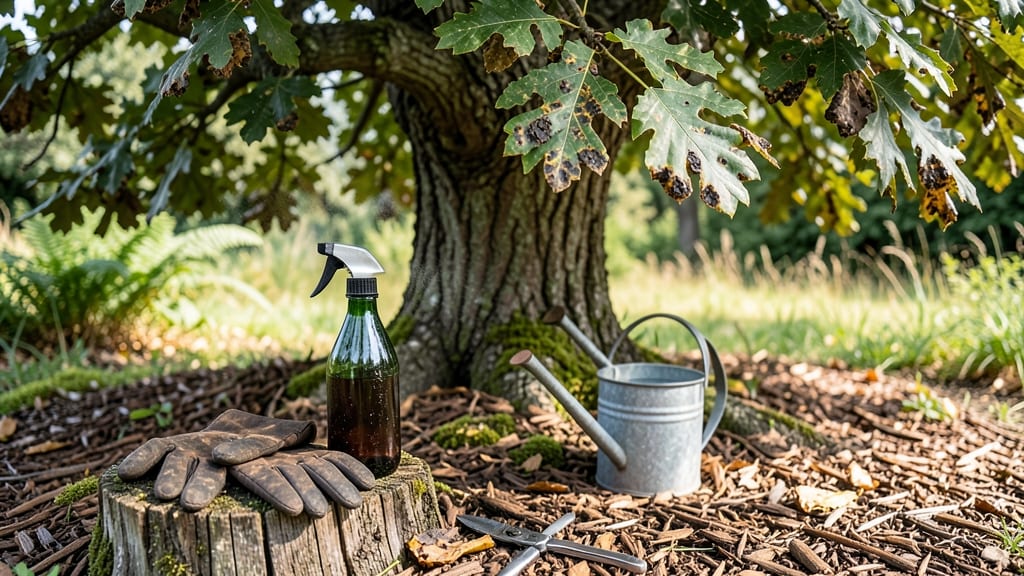
Black spots on tree leaves treatment can turn your yard from lush to lifeless faster than you think—unless you act now. 🌿 I’ve battled this exact issue with my mature oak, and what worked for me was a copper-free organic spray that stopped the spread within two weeks. The key? Identifying the right fungus and treating it before the spots multiply. Most black spots come from fungal diseases like anthracnose or leaf spot, thriving in damp, shady conditions. Look for dark, irregular patches with yellow halos—those are your first warning signs. Skipping treatment turns leaves crispy, weakens the tree, and can even kill it over time. The good news? Organic solutions work just as well as chemicals if applied correctly. By the end of this guide, you’ll know exactly how to prune infected branches, apply the right spray, and adjust your watering to prevent future outbreaks. No more guessing—just a foolproof, eco-friendly fix that keeps your trees thriving. Let’s get those leaves healthy again. Here’s the hard truth: most store-bought fungicides contain copper, which can harm soil and beneficial insects over time. My copper-free spray uses neem oil, baking soda, and a dash of dish soap—ingredients you likely already have at home. The secret? Timing. Apply it on a dry, calm morning when spores are most active, and repeat every 7–10 days until new growth appears. You’ll see the difference fast: fewer spots, slower spread, and leaves that stay vibrant longer. Plus, this method is safe for kids, pets, and the environment. No more tossing away bags of contaminated leaves or watching your tree’s health decline. Just simple, effective action that works. If the spots keep coming back despite your best efforts, it might be time to call in a pro. Chronic infections could signal deeper issues like root rot or a weakened immune system in your tree. But for most cases? Pruning, proper spacing, and consistent spraying are all you need to reclaim your tree’s health. This isn’t just about fixing black spots—it’s about saving your tree’s life and keeping your yard looking its best. Ready to roll up your sleeves? Let’s tackle this together.
Why it happens
Black spots on tree leaves aren’t just an eyesore—they’re often a silent cry for help from your plants. Understanding the root causes is the first step toward effective, copper-free organic treatment.
Let’s break down the most common reasons why your tree’s leaves develop these unsightly marks, from microscopic invaders to environmental stressors.
🍄 Fungal Infections: The Most Common Threat
Fungi are the #1 culprit behind black spots on leaves, thriving in damp, humid conditions. Here’s how they strike:
- Anthracnose: This fungal disease targets young leaves, stems, and fruit, causing dark, sunken spots that often ooze sap. It spreads rapidly in wet springs or summers, especially on maple, dogwood, and sycamore trees.
- Leaf Spot Fungi (e.g., Alternaria, Septoria): These create circular or irregular black/brown spots with yellow halos. They thrive on ornamental trees, fruit trees, and shrubs, especially when leaves stay wet for long periods.
- Sooty Mold: While not a primary pathogen, this fungus grows on honeydew (a sticky residue left by aphids or scale insects). It coats leaves in a velvety black layer, blocking sunlight and weakening the tree.
💡 Pro Tip: Fungal spores spread via wind, water, or contaminated tools. Prune infected branches before wet weather to minimize spore dispersal.
🐛 Pest Damage: The Unseen Invaders
Insects don’t always chew leaves—they can leave behind black spots as a byproduct of their feeding habits. Watch for:
- Aphids and Scale Insects: These sap-suckers excrete honeydew, which attracts sooty mold (see above). Their feeding weakens leaves, making them susceptible to secondary fungal infections.
- Spider Mites: While they cause stippling (tiny white/yellow dots), their waste and webbing can create a film that traps moisture, promoting fungal growth.
- Black Twig Borer or Bark Beetles: In severe cases, these pests burrow into branches, causing blackened, dying patches on leaves due to disrupted nutrient flow.
🔍 Key Sign: Look for sticky residue on leaves or visible webbing—these are red flags for pest-related black spots.
🌡️ Environmental Stressors: When Conditions Turn Against Your Tree
Not all black spots are biological. Environmental factors can stress trees, making them vulnerable to discoloration:
- Overwatering or Poor Drainage: Waterlogged roots starve leaves of oxygen, causing necrotic (dead) spots. Common in evergreens and broadleaf trees planted in clay soil.
- Nutrient Deficiencies (Especially Magnesium or Iron): Yellowing between leaf veins (chlorosis) can turn brown/black as the leaf tissue dies. Acid-loving plants like azaleas are particularly prone to iron deficiency.
- Sun Scorch or Hail Damage: Intense sunlight or physical trauma can create dark, irregular patches. Young, tender leaves are most at risk.
- Air Pollution or Chemical Burn: Exposure to ozone, sulfur dioxide, or herbicide drift can cause blackened, crinkled leaves—often on urban trees.
✨ Quick Fix: If stress is the cause, focus on improving soil health (compost + organic mulch) and watering deeply but infrequently to prevent root rot.
🌱 Cultural Practices: How Human Habits Harm Trees
Even well-intentioned gardening can lead to black spots. Common mistakes include:
- Over-Fertilizing with Synthetic N-P-K: Excess nitrogen promotes lush growth but weakens leaves, making them prone to fungal infections.
- Pruning at the Wrong Time: Cutting branches during wet seasons (spring/fall) creates open wounds where fungal spores can enter.
- Ignoring Leaf Debris: Piles of fallen leaves or mulch near the trunk trap moisture, creating a fungal breeding ground.
- Using Contaminated Tools: Pruners or rakes shared between infected and healthy trees spread pathogens like wildfire.
🔥 Prevention Hack: Sterilize tools with 70% isopropyl alcohol or a 10% bleach solution between uses to stop cross-contamination.
Fixing Black Spots Naturally
Now that you know what’s causing those pesky black spots on your tree leaves—whether it’s fungal infections, pests, or environmental stress—it’s time to take action! The good news? You don’t need harsh chemicals to save your trees.
Below, we’ll break down practical, organic solutions tailored to the root cause, plus tips to keep your trees thriving long-term.
Fungal infections love damp, warm conditions, so the key is disrupting their cycle while boosting your tree’s defenses.
1️⃣ Prune & Clean Up 🌿
- Remove infected leaves (sterilize pruners with rubbing alcohol between cuts).
- Rake up fallen leaves—fungi hibernate in them!
Compost them only if heat-killed (e.g., in a sealed bin for 6+ months). - Thin out dense foliage to improve airflow (fungi spread faster in crowded, humid areas).
2️⃣ Apply Organic Fungicide Sprays 💧
Use these copper-free sprays every 7–14 days until new growth appears (and preventatively in spring/fall):
- Neem oil spray (1 tsp neem oil + 1 tsp mild soap + 1 quart water). Shake well and spray undersides of leaves!
- Baking soda solution (1 tbsp baking soda + 1 quart water + a few drops of dish soap). Test on a small leaf first—some trees are sensitive.
- Potassium bicarbonate (follow label rates). Great for powdery mildew and anthracnose.
3️⃣ Strengthen Tree Immunity 🌱
- Fertilize with compost or fish emulsion (high in phosphorus and potassium).
- Water at the base, not overhead (wet leaves = fungal buffet).
- Mulch with wood chips (3–4 inches deep) to regulate soil moisture and temperature.
Pests weaken leaves, making them vulnerable to secondary infections. Starve them out and disrupt their life cycle!
1️⃣ Blast Off Pests with Water 💦
- Hose down leaves with a strong stream of water (especially undersides) to knock off aphids and mites.
- Repeat every 3–5 days—pests reproduce fast!
2️⃣ Introduce Beneficial Insects 🐞
- Ladybugs, lacewings, or parasitic wasps (buy from garden centers). Release them in the evening when it’s cool.
- Plant companion flowers like marigolds, dill, or yarrow to attract predators.
3️⃣ Use Insecticidal Soap or Oil 🧼
- Homemade soap spray: 2 tbsp castile soap + 1 quart water. Spray directly on pests (avoid hot sun—can burn leaves).
- Horticultural oil (apply in early morning/evening when temps are below 90°F).
Sometimes black spots aren’t from pathogens—they’re your tree’s way of screaming for help!
1️⃣ Adjust Watering Habits 💧
- Deep watering 1–2x per week (check soil moisture 2 inches down—if dry, water).
- Avoid soggy soil (root rot = more stress). Use a moisture meter if unsure.
2️⃣ Shield from Harsh Conditions ☀️🌬️
- Mature trees: Prune branches that rub together (creates wounds).
- Young trees: Use shade cloth if in full sun (especially in drought-prone areas).
- Windbreaks: Plant fast-growing shrubs (like arborvitae) to buffer gusts.
3️⃣ Feed with the Right Nutrients 🍃
- Iron deficiency? Use chelated iron or apply compost tea.
- Magnesium deficiency? Sprinkle Epsom salt (1 tbsp per gallon of water) in the soil.
- Slow-release organic fertilizer (like worm castings) in early spring.
- Monitor trees weekly—catch issues early!
- Avoid overhead irrigation (use drip systems or soaker hoses).
- Rotate organic sprays to prevent resistance.
- Plant disease-resistant varieties (check local nursery recommendations).
Pro Tip: 🌿 If black spots persist after 4–6 weeks, consult a local arborist—they can test for specific pathogens and tailor a plan!
By tackling the root cause (not just the symptoms) and giving your trees a little TLC, you’ll see healthier foliage in no time. No chemicals, no guesswork—just happy, spot-free leaves! 🌳✨
Frequently asked questions about tree leaf spots
Why do black spots appear on tree leaves even after pruning?
Pruning alone won't stop fungal spread if spores remain on nearby leaves or in soil. The key is removing all infected foliage (including fallen leaves) AND applying fungicide sprays. Fungi can survive in mulch or thatch, so rake up debris and sterilize tools between cuts with 70% alcohol or 10% bleach solution.
Can I use vinegar as a natural fungicide for leaf spots?
While white vinegar has mild antifungal properties, it's too harsh for most trees and can burn foliage. Instead, use a baking soda spray (1 tbsp baking soda + 1 quart water + 1 tsp dish soap) or neem oil (1 tsp neem + 1 quart water). Both are gentler and more effective for fungal control. Always test sprays on a small leaf first!
How long until I see improvement after treating black spots?
With consistent treatment, you should notice slower spread within 7–10 days and new growth appearing in 2–4 weeks. For severe cases, it may take up to 6 weeks to see full recovery. Apply sprays every 7–14 days during active growth periods (spring/fall) and remove all infected leaves promptly. Patience is key!
Are black spots on my tree always caused by disease?
Not always! Black spots can also result from nutrient deficiencies (like iron or magnesium), pest damage (aphids leaving honeydew), environmental stress (sun scorch or pollution), or even physical trauma (hail or wind). Check for yellowing between veins (deficiency), sticky residue (pests), or irregular patterns (stress) to diagnose correctly.
When should I call an arborist for persistent black spots?
Consult a professional if:
- Spots spread despite 6 weeks of treatment
- Leaves crisp and fall prematurely
- You see oozing sap or cankers on branches (signs of advanced disease)