
Diseases
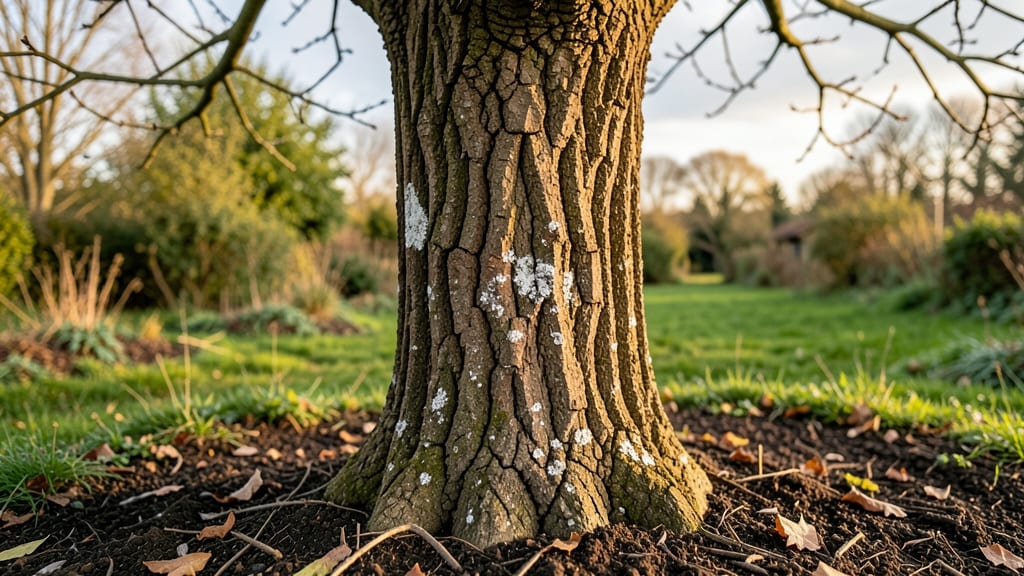
That white powder on your tree bark isn't just unsightly—it's powdery mildew, and it spreads fast when ignored. 🌿 I've battled this fungus on my apple trees, and the key to stopping it lies in the right spray mix applied at the right time.
Most people wait too long, letting it weaken the tree before acting.
The good news? You don't need harsh chemicals to win. A simple neem oil spray or baking soda mix (1 tablespoon baking soda + 1 quart water + a drop of dish soap) works wonders when applied on a dry, windless morning.
Reapply every 7-10 days until the white residue disappears completely.
Within 2-3 weeks of consistent treatment, you'll see fresh green bark emerging where the mildew once clung. The tree's leaves will stay vibrant, and new growth will push out stronger than before. The secret is catching it early—don't wait until the fungus covers entire branches.
This method works for fruit trees, shade trees, and even ornamental trees in your yard. For severe cases, consider adding a sulfur spray (follow label instructions carefully). If the tree shows signs of decline beyond just mildew, it's time to call an arborist.
The Hidden Triggers Behind Fungal Growth
Powdery mildew isn’t just a random nuisance—it thrives when specific conditions align like a perfectly stormy recipe. Understanding why this fungal foe shows up on tree bark helps you prevent it before it takes hold. Let’s break down the science behind the chaos.
Powdery mildew loves damp conditions, and tree bark is a prime real estate target when humidity lingers. Here’s why:
- High humidity (70%+): The fungus spreads spores via airborne water droplets. Bark stays moist longer, creating a perfect petri dish for growth.
- Poor airflow: Dense foliage or crowded trees trap humidity against the bark. Pro tip: Prune overgrown branches to improve circulation.
- Rain or overhead watering: Water splashing onto bark (especially in shaded areas) keeps surfaces wet for days, fueling fungal expansion.
💡 Actionable fix: Water trees at the base early in the day so foliage dries quickly. Use drip irrigation to avoid bark contact.
Healthy trees resist fungal attacks, but stressed or nutrient-deficient bark becomes a buffet for powdery mildew. Key culprits:
- Excess nitrogen: Fertilizers heavy in nitrogen promote soft, fungus-friendly new bark growth. ⚠️ Warning: Over-fertilizing backfires!
- Weakened defenses: Drought, root damage, or pest attacks (like aphids) compromise a tree’s ability to fight off fungi.
- Old, cracked bark: Rough or damaged bark traps moisture and provides anchor points for spores to latch on.
🌡️ Pro tip: Test soil pH (ideal: 6.0–7.0) and use balanced organic fertilizers (like compost tea) to strengthen bark resilience.
Sunlight is nature’s disinfectant—powdery mildew hates UV exposure. Dark, sheltered areas become fungal hotspots because:
- Low light = slower drying: Bark in shade stays damp longer, extending the fungus’s growth window.
- Thick canopies trap spores: Infected leaves above shed spores directly onto bark below, creating a domino effect.
- Cool, damp microclimates: North-facing trees or those near buildings/walls suffer more due to persistent moisture.
✨ Solution: Thin out dense branches to let sunlight hit the trunk. Plant sun-loving species (like oaks or maples) in shaded areas if possible.
Powdery mildew doesn’t just appear—it hitches rides on wind, tools, or even your shoes! Here’s how spores spread:
- Wind dispersal: Spores travel miles, landing on bark and germinating within 24–48 hours if conditions are right.
- Tool contamination: Pruners, rakes, or even garden gloves can transfer spores from infected leaves to bark.
- Infected plant debris: Leaving fallen leaves or mulch too close to the trunk creates a spore reservoir.
🔥 Prevention: Sterilize tools with 70% isopropyl alcohol between trees. Remove debris at least 3 feet from the trunk.
Now that you know the root causes, the next step is organic fixes to kick this fungus to the curb—without harsh chemicals. 🚀
Quick Fixes for Fungal Foes
Powdery mildew on tree bark isn’t just unsightly—it can weaken your trees over time. The good news? With the right approach, you can reverse the damage and keep your trees thriving. Below, we’ve mapped out targeted solutions based on the most common causes, from overcrowded branches to poor air circulation.
Each fix is organic, effective, and easy to implement—no harsh chemicals required.
Powdery mildew loves hiding in tight spaces where moisture lingers. If your tree’s branches are packed too closely, pruning is your first line of defense.
How to Fix It: 🔥 Step 1: Identify Problem Areas Look for branches rubbing against each other or dense clusters where leaves block sunlight. These are prime mildew hotspots.
🍳 Step 2: Use Clean, Sharp Tools Disinfect pruning shears with rubbing alcohol (70% or higher) to avoid spreading spores. Cut just outside the branch collar (the swollen area where the branch meets the trunk).
👨🍳 Step 3: Thin Out Strategically Remove 10–20% of the canopy to improve airflow. Focus on:
- Crossing branches (they create friction and moisture traps).
- Suckers or water sprouts (fast-growing, weak shoots).
- Dead or diseased branches (they harbor spores).
🥘 Step 4: Clean Up Debris Rake and remove all fallen leaves and pruned branches from the base of the tree. Compost them far from your garden to prevent reinfection.
💡 Pro Tip: Prune on a dry, sunny day—this helps wounds dry faster and reduces mildew risk.
Powdery mildew thrives in wet conditions, so if your tree is sitting in soggy soil or getting overhead watering, it’s time to dry things out.
How to Fix It: 🌡️ Step 1: Check Your Watering Habits
- Water deeply but less frequently (1–2 times per week, depending on climate).
- Avoid wetting foliage—use a soaker hose or drip irrigation to deliver water at the base.
- Water in the morning so leaves dry quickly.
✨ Step 2: Improve Soil Drainage If your tree is in compacted or clay-heavy soil, amend it with:
- Compost (2–3 inches mixed into the topsoil).
- Perlite or coarse sand (to loosen heavy soils).
- Mulch properly (2–4 inches of wood chips or straw, keeping it 6 inches away from the trunk).
🎯 Step 3: Elevate if Needed If your tree is in a low-lying area where water pools, consider:
- Raised beds (for smaller trees).
- Swales or berms (to redirect water away).
🔥 Pro Tip: If you must water leaves (e.g., for dust control), do it early in the day so foliage dries by evening.
Once mildew takes hold, you’ll need targeted treatments to stop its spread. These organic sprays are safe for trees, pets, and people—but timing is everything.
How to Fix It: 🔪 Step 1: Choose Your Weapon Pick one or two of these DIY or store-bought options:
| Solution | How to Use | Best For |
|---|---|---|
| Baking Soda Spray | Mix 1 tbsp baking soda + 1 tsp soap + 1 gallon water. Spray every 7–10 days. | Early-stage mildew |
| Neem Oil Spray | Combine 1 tbsp neem oil + 1 tsp soap + 1 quart water. Spray at dusk (avoids burning leaves). | Active infections |
| Milk Spray (1% Solution) | Use 1 part milk to 9 parts water + 1 tsp soap. Spray every 5–7 days. | Preventative & mild cases |
| Potassium Bicarbonate | Mix 1 tbsp potassium bicarbonate + 1 tsp soap + 1 gallon water. Spray weekly. | Severe or recurring mildew |
⏰ Step 2: Apply Correctly
- Spray undersides of leaves (mildew loves hiding there).
- Cover the entire tree, including bark crevices.
- Reapply after rain (fungicides wash off).
- Wear gloves and a mask if using neem oil (it’s potent!).
💡 Pro Tip: For large trees, rent a backpack sprayer—it’s more efficient than handheld bottles.
The best cure? Stopping it before it starts. Here’s how to future-proof your trees:
- ✅ Space Trees Properly – Plant new trees at least 6–10 feet apart (depending on maturity size).
- ✅ Choose Resistant Varieties – Some trees (like serviceberry, hawthorn, or oak) are less prone to mildew.
- ✅ Encourage Beneficial Fungi – Trichoderma harzianum (a soil fungus) outcompetes mildew—apply as a soil drench.
- ✅ Monitor & Act Fast – Check trees weekly in spring/summer. Catch mildew early with a quick spray.
- ✅ Boost Tree Health – Fertilize in early spring with compost or balanced organic fertilizer (e.g., 5-5-5) to strengthen defenses.
Final Reminder: Consistency is key! Prune once, spray regularly, and adjust watering—and your trees will bounce back stronger than ever. 🌳💪
Frequently asked questions
Can powdery mildew kill my tree if left untreated?
While powdery mildew rarely kills mature, healthy trees outright, it can severely weaken them over time. The fungus clogs bark pores, reducing the tree's ability to absorb water and nutrients. This stress makes trees more vulnerable to other diseases, pests, or environmental damage. Young or already struggling trees are at highest risk—act fast with organic sprays if you notice white residue spreading.
How do I tell if the white stuff on my tree is powdery mildew or just lichen?
Lichen grows in flat, crusty patches and stays greenish-gray or yellow, while powdery mildew appears as a talcum-powder-like coating that can be wiped away. Scrape a small area: mildew will leave a faint white residue, while lichen won't. Also check for spores under a magnifying glass—mildew has tiny black dots (fruiting bodies) while lichen looks more like tiny leafy structures.
Will pruning help prevent powdery mildew from coming back?
Pruning improves airflow by removing 10-20% of dense branches, which reduces humidity trapped against the bark. Focus on crossing branches and those blocking sunlight—these create perfect mildew conditions. Just remember to sterilize your tools with 70% rubbing alcohol between cuts to prevent spreading spores. Combine pruning with regular sprays for best results.
Can I use vinegar spray to treat powdery mildew?
While vinegar can help in small doses, it's not ideal for tree bark. Undiluted vinegar can burn leaves and damage bark over time. If you want to try, mix 1 tablespoon white vinegar + 1 quart water + 1 teaspoon dish soap, but test on a small area first. For trees, neem oil or baking soda sprays are safer and more effective long-term solutions.
When is the best time of year to treat powdery mildew?
Start treatments in early spring (before new growth appears) and continue through late summer. This prevents spores from establishing during warm, humid months. Avoid spraying when temperatures exceed 90°F—the heat can reduce effectiveness. If you see mildew in fall, treat once before the first frost to protect next year's growth.