
Pruning
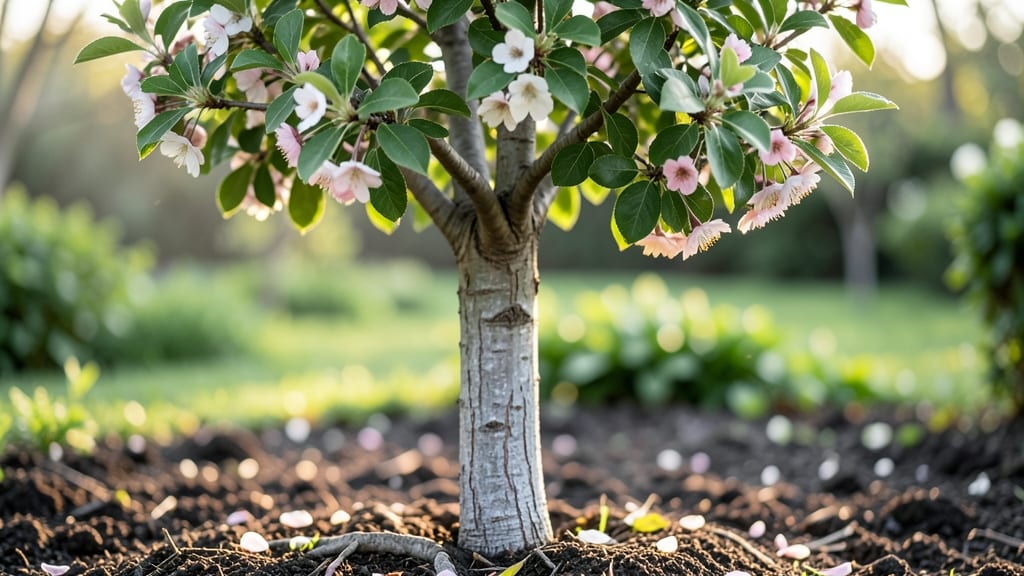
Almond trees thrive in Mediterranean environments with hot, dry summers and mild, wet winters, requiring well-draining, slightly alkaline soil with pH levels between 6.0 and 8.0. They need full sun exposure and consistent irrigation during their first two years of growth.
Creating the perfect almond tree environment means mimicking natural Mediterranean conditions as closely as possible. 🌞 These trees crave 6-8 hours of direct sunlight daily and struggle in humid climates, which can promote fungal diseases.
The soil should never stay soggy—think sandy loam that drains quickly but retains enough moisture to prevent drought stress. I've seen firsthand how even slight variations in soil pH or watering schedules can dramatically affect nut production, especially in young trees.
One often-overlooked detail is the importance of winter chilling hours—almond trees need 300-500 hours below 45°F annually to trigger proper flowering. This explains why they do so well in California's Central Valley but struggle in warmer regions without proper winter dormancy.
For those in non-Mediterranean zones, choosing cold-hardy varieties like 'Nonpareil' or 'Butte' can make a big difference in long-term success.
💡 In This Article
- Climate Zones Perfect for Almond Tree Growth
- Soil and Water Requirements for Healthy Almond Trees
Climate zones perfect for almond tree growth
The ideal almond tree environment mimics Mediterranean climates where summer temperatures regularly reach 85-100°F during the day but drop significantly at night—this diurnal temperature swing is crucial for proper flowering and nut development.
These trees are particularly sensitive to humidity, thriving in regions where relative humidity stays below 50% to prevent fungal diseases like brown rot. California's Central Valley, for example, provides perfect conditions with its hot, dry summers and cool nights, which is why over 99% of U.S. almond production occurs there.
Winter chill requirements are equally critical—almond trees need 300-500 hours below 45°F annually to break dormancy and initiate flowering. This explains why they flourish in USDA hardiness zones 5-9, where cold winters provide necessary chilling while summers remain warm enough for fruit maturation.
In regions with milder winters (like coastal California), growers often use artificial chilling methods or select varieties like 'Nonpareil' that tolerate slightly warmer conditions. Frost sensitivity is another key factor: young trees can suffer damage from temperatures below 25°F, while mature trees typically handle down to 15°F.
Drought tolerance is one of almond trees' greatest assets, allowing them to survive with minimal irrigation once established. However, during their first two critical years of growth, consistent moisture is essential to develop strong root systems.
In Mediterranean regions like Spain's Andalusia or Australia's Riverland, almond orchards often rely on drip irrigation systems that deliver water directly to roots while minimizing evaporation. The key is maintaining 6-8 inches of soil moisture during dry periods without creating waterlogged conditions.
What most growers don't realize is how elevation affects microclimates. Higher elevations (like those in Spain's Sierra Nevada foothills) often provide cooler nights and better air circulation, which reduces disease pressure. Meanwhile, lower desert regions (such as California's San Joaquin Valley) benefit from intense sunlight that accelerates fruit ripening.
This geographic diversity explains why almond trees can thrive across such varied landscapes—from the rolling hills of Turkey to the flat plains of Argentina.
Seasonal transitions are equally important. The shift from winter dormancy to spring growth requires precise temperature cues: buds typically swell when daytime temperatures reach 55°F consistently for 5-7 days. This timing explains why early spring frosts can devastate young blossoms.
In commercial orchards, growers often use degree-day models to predict optimal bloom periods and time frost protection measures accordingly. The interplay between temperature, humidity, and daylight hours creates what horticulturists call the "phenological window"—a specific timeframe where all environmental factors align for optimal fruit set.