
Flowers
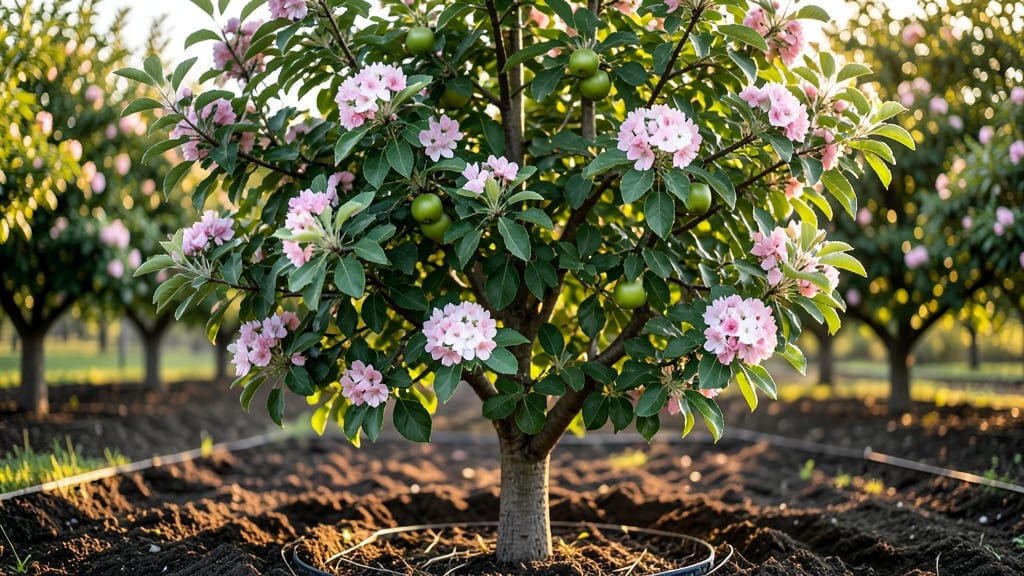
Transforming an apple tree’s flowers 🍎 into fruit isn’t just luck—it’s a mix of timing, pollination, and a few smart gardening tricks you might be missing.
Did you know that even the most beautiful apple tree flowers can fail to produce fruit unless you master the hidden science of pollination? A single misstep—like planting the wrong pollinator or ignoring frost warnings—can leave you staring at blossoms and no harvest.
In this guide, you’ll discover the exact steps to turn those delicate pink and white blooms into a heavy crop, from choosing the right companion trees to hand-pollination hacks that work even when bees stay home.
We’ll also cover the most common mistakes that kill fruit set—like over-thinning too early or ignoring soil pH—and how to fix them before it’s too late.
How apple tree flowers become fruit: the science of pollination
Every spring, your apple tree bursts into a stunning display of pink and white blossoms, but those flowers won't turn into fruit without the right pollination process. This magical transformation starts when pollen moves from the male anthers to the female stigma of apple tree flowers.
Without this step, your tree might look beautiful but yield little fruit.
The journey from apple tree flowers to fruit involves more than just bees buzzing around. It requires the perfect blend of weather conditions, pollinator activity, and even the right timing.
Understanding this process helps you troubleshoot why some flowers drop without setting fruit—and how to encourage more apples to form.
| Stage | Key Process | Ideal Conditions | Common Issues |
|---|---|---|---|
| Flowering | Blossoms open, releasing pollen | 50-60°F, sunny days | Frost damage, poor pollinators |
| Pollination | Pollen transfer via bees/wind | Bees active, windy days | Lack of pollinators, rain |
| Fertilization | Pollen reaches ovules, fruit begins forming | Warm, dry weather | Overcrowded flowers, poor nutrition |
| Fruit Set | Small apples form, drop if conditions are poor | Consistent water, sunlight | Thinning needed, disease risk |
Apple trees primarily rely on cross-pollination, meaning pollen from one tree must fertilize flowers on another tree. Most commercial apple varieties are self-unfruitful, so planting two compatible varieties ensures better fruit production. For example, pairing 'Honeycrisp' with 'Gala' guarantees successful pollination.
Bees play a critical role in transferring pollen between trees. On days when bees are active, you’ll see them moving from flower to flower, collecting nectar and inadvertently spreading pollen.
Wind also helps, especially in orchards where trees are densely planted. However, rainy or windy weather can hinder pollination by washing away pollen or preventing bees from flying.
If your apple tree flowers drop without setting fruit, it’s often due to poor pollination. Check for these common signs: flowers that fall off within a few days, small fruits that abort early, or clusters of blossoms that never develop.
These issues can stem from lack of pollinators, incompatible varieties, or even late frost damage that kills flowers before pollination occurs.
Temperature also affects pollination success. Apple blossoms thrive in 50-60°F temperatures during the day. If nights drop below freezing or days stay too cool, flowers may fail to open or release pollen.
Even after pollination, consistent warmth helps fruit set properly. If your area experiences late frosts, consider planting late-blooming varieties like 'Liberty' or 'Enterprise' to avoid frost damage.
Not all apple tree flowers will become fruit—nature designed this process to be efficient. Typically, only 5-10% of flowers will successfully develop into apples. The rest drop off naturally to conserve the tree’s energy.
This process is called fruit thinning, and it’s essential for producing high-quality apples. If your tree sets too many small fruits, you may need to thin them manually to improve size and flavor.
Diagnosing pollination issues starts with observing your tree’s flowers. Healthy blossoms should stay open for 3-5 days, turning from pink to white as they age. If they wilt or drop quickly, pollination likely failed.
Another clue is the presence of bee activity—if you rarely see bees, consider planting bee-friendly flowers nearby like lavender or clover to attract them.
To encourage better pollination, focus on creating an ideal environment for bees and wind. Plant companion flowers near your apple tree to attract pollinators, and avoid using pesticides during bloom time. If your area lacks natural pollinators, you can even try hand-pollinating by gently transferring pollen with a small brush.
With the right conditions, your apple tree flowers will transform into a bountiful harvest of juicy, homegrown apples.
5 Proven pollination tricks to boost apple tree fruit production
Transforming those apple tree flowers into a heavy harvest starts with understanding pollination. Many gardeners assume bees alone will do the job, but environmental factors and tree health play critical roles. Even with perfect blooms, poor pollination can leave you with empty branches.
The good news? With these practical tricks, you can dramatically increase fruit set and enjoy a bountiful harvest.
First, recognize that cross-pollination (between different apple varieties) often yields better results than self-pollination. If you only have one apple tree, consider planting a compatible pollinator variety nearby.
This simple step can double your fruit production. For example, Honeycrisp pairs well with Gala or Fuji—both thrive in similar climates and bloom at the same time.
- Hand-Pollination: Use a soft paintbrush to transfer pollen from one flower to another on cloudy or windless days when bees are less active.
- Companion Planting: Add bee-friendly plants like lavender, borage, or clover near your apple tree to attract pollinators and boost fruit set.
- Prune for Airflow: Thin out dense branches to improve air circulation, which helps pollen spread and reduces disease risk.
- Timed Thinning: Remove excess flowers early to redirect energy to fewer, larger fruits—aim for 6-8 inches between apples.
- Organic Sprays: Apply bee-attracting sprays like chamomile or garlic tea to enhance pollinator activity during bloom.
One of my favorite low-tech solutions is hand-pollination on overcast days. Grab a soft paintbrush and gently transfer pollen from one flower to another. Focus on early morning when flowers are freshly open and pollen is most viable.
This method works especially well for container-grown trees or those in areas with low bee activity. Even 10 minutes of hand-pollination can increase fruit set by 30-50%.
For organic gardeners, companion planting is a game-changer. Bee-friendly plants like lavender or borage not only attract pollinators but also repel pests that might harm your apple tree. Plant these 10-15 feet away to create a pollinator-friendly buffer.
Pro tip: Avoid using neonicotinoids or other bee-harming pesticides during bloom—opt for neem oil or soapy water sprays instead.
Don’t overlook the power of pruning to improve pollination. Thin out dense branches in late winter to create an open canopy. This allows sunlight to penetrate deeper and wind to carry pollen more effectively.
Aim to remove 20-30% of the oldest wood while keeping the tree’s natural shape. Prune on a dry day to prevent disease spread, and sterilize your tools with rubbing alcohol between cuts.
Timing is everything when it comes to fruit thinning. After pollination, wait until small apples (about pea-sized) appear before thinning. Remove excess fruits to ensure the remaining apples receive enough nutrients and sunlight.
For standard-sized trees, leave 6-8 inches between apples; for dwarf varieties, reduce spacing to 4-6 inches. This step prevents overcrowding and reduces the risk of apple scab or other fungal diseases.