
How To
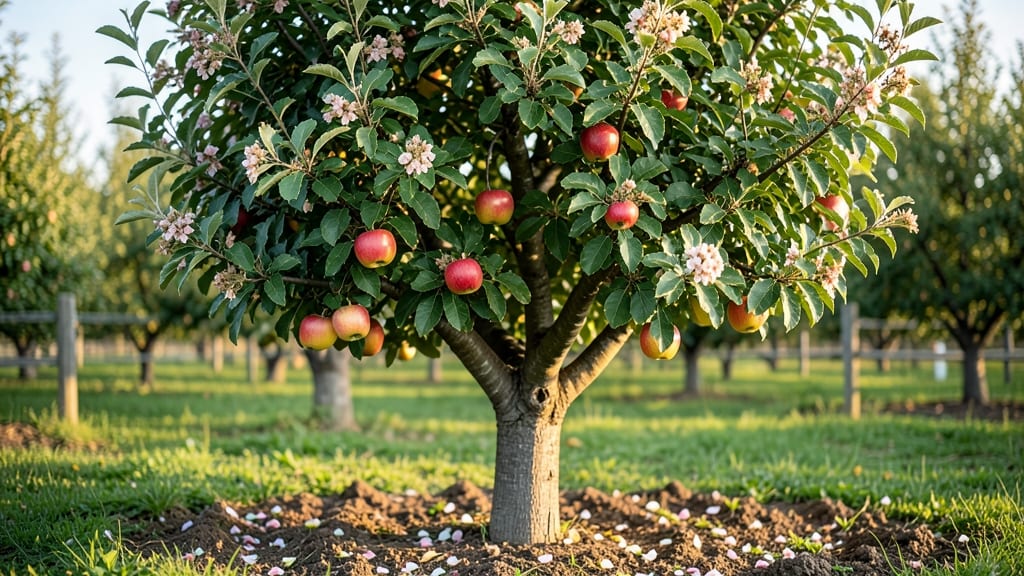
A Fuji apple tree how tall does a Fuji apple tree grow at maturity can vary dramatically depending on the variety—some towering between 15 and 25 feet over backyard fences and small houses, while others stay small enough for containers or tight urban spaces.
If you're dreaming of growing your own Fuji apples but limited by space, knowing the exact height potential of these trees can make all the difference between a sprawling backyard orchard and a compact, container-friendly garden.
Dwarf varieties stay between 6 and 12 feet, while semi-dwarf types reach 12 to 18 feet, making them perfect for smaller yards or urban gardens where space is tight.
Below, I’ll break down the height differences, spacing needs, and how to choose the right Fuji apple tree for your garden—whether you want a towering classic or a compact container-friendly option.

Fuji apple tree height comparison: standard vs dwarf varieties
Choosing the right Fuji apple tree size can transform your gardening plans from overwhelming to achievable. The standard Fuji apple tree typically reaches 12-16 feet tall, while dwarf varieties stay between 6-8 feet.
This dramatic difference affects everything from fruit production to garden layout. Let me break down how these heights impact your growing space and which option suits your needs best.
Standard Fuji trees grow naturally tall, requiring 15-20 feet of vertical space at maturity. They need wide spacing (20-25 feet apart) to prevent overcrowding and ensure proper air circulation.
In contrast, dwarf Fuji varieties are genetically modified or grafted to stay compact, making them perfect for small backyards, patios, or containers. Their smaller stature also means easier harvesting and maintenance.
Here's a quick comparison to visualize the differences before we dive deeper:
The growth rate of Fuji apple trees varies by variety, but all follow a similar pattern. In their first year, expect 2-4 feet of growth. By year two, they'll reach 6-10 feet, and by year three, standard varieties can surge to 12-18 feet.
Dwarf varieties grow more slowly, typically reaching their mature height by year four or five. This gradual growth makes them easier to manage in small spaces.
If you're working with limited space, dwarf Fuji varieties are your best bet. They thrive in containers as large as 15-gallon pots and can even be grown in patio planters.
For example, the 'Fuji Dwarf' variety stays under 6 feet tall and produces sweet, crisp apples perfect for small gardens. Meanwhile, standard trees need ample room to spread—their roots can extend 3-5 feet beyond the canopy, so planting too close leads to competition for nutrients and water.
Another key factor is pruning requirements. Standard Fuji trees need regular pruning to manage height and shape, while dwarf varieties require less aggressive pruning. However, all Fuji trees benefit from annual pruning in late winter to remove dead wood and encourage new growth.
For dwarf trees, this might involve just light shaping to maintain their compact form.
Consider your garden design goals when choosing a Fuji apple tree. A standard tree makes a stunning focal point in a large backyard, while dwarf varieties can be placed along fences, near patios, or even in large containers on balconies.
For example, pairing a 6-foot dwarf Fuji with a 4-foot columnar variety creates a vertical fruit display that maximizes space without sacrificing yield.
Remember, the soil and sunlight requirements remain the same regardless of size. All Fuji apple trees need full sun (6+ hours daily) and well-draining soil with a pH of 6.0-7.0. The difference lies in how you accommodate their mature height in your garden plan.
Whether you choose a towering standard or a compact dwarf, your Fuji apple tree will reward you with juicy, flavorful fruit for decades.
For those with ultra-small spaces, consider espalier training—a technique that spreads dwarf trees horizontally along a fence or wall. This method keeps the tree at a manageable height while increasing fruit production per square foot.
It's a creative way to grow Fuji apples even in tiny urban gardens.
🍎
Best Fuji apple tree types for small gardens and containers
If you love the taste of sweet Fuji apples but have limited space, you’ll be thrilled to know that dwarf and semi-dwarf varieties make growing them in small gardens or even containers possible.
These compact trees can produce the same delicious fruit without taking up your entire yard. Let’s explore the best options that fit perfectly in patios, balconies, or tiny backyards.
When choosing a Fuji apple tree for small spaces, focus on varieties specifically bred to stay under 8 feet tall. These include Fuji Dwarf, Fuji Mini, and Fuji Columnar, all designed to thrive in containers or tight spaces.
Each offers unique benefits, from easy maintenance to high fruit yields, making them ideal for urban gardeners or those with limited outdoor areas.
For container growing, choose pots with drainage holes and use a high-quality potting mix blended with compost. Place your tree where it gets at least 6 hours of sunlight daily—a south-facing window or balcony works perfectly.
Water deeply every 2-3 days during the growing season, ensuring the soil stays moist but not soggy.
Pruning is minimal for these varieties, but removing dead or crossing branches in early spring promotes better airflow and fruit production. A light pruning session after harvest helps maintain shape and encourages new growth for next year’s crop.
With the right care, even the smallest garden can become a productive Fuji apple orchard.
Don’t let limited space stop you from enjoying homegrown Fuji apples! These compact varieties prove that big flavors can come in small packages. Whether you’re growing in a container on your balcony or a small garden bed, these trees deliver delicious rewards with minimal effort. Happy planting! 🌱