
Pests and Diseases
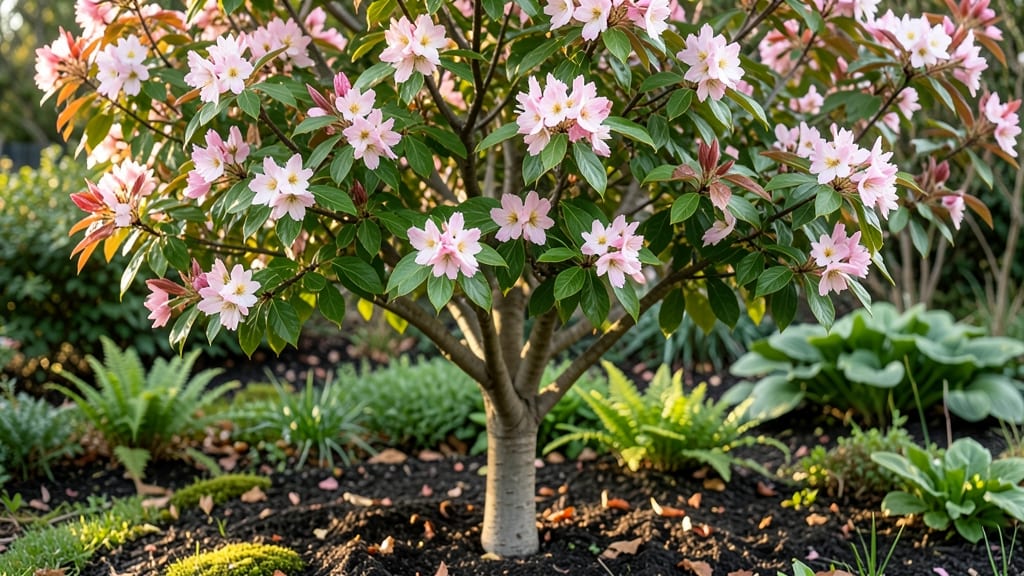
Pink and white dogwood blooms turn spring into a dreamy, cloud-like canopy. 🌸 These iconic trees—Cornus florida—are the showstoppers of any garden, offering seasonal interest from delicate blossoms to rich fall foliage, all with barely a pruning touch.
The contrast of their soft pink and white flowers against spring greenery feels like nature’s own watercolor painting.
Plant them where their early spring blooms catch morning light—near patios, entryways, or as focal points in mixed borders. Pair with ferns, hostas, or azaleas to extend their visual appeal, and their low-maintenance nature makes them perfect for busy gardeners.
Just be sure to give them morning sun and afternoon shade to keep those blooms vibrant all season.
📚 In This Guide
- What you need
- Instructions
- Tips and common mistakes
- Wrapping up and next steps
What you need
- ● Dogwood Tree: 1 Cornus florida (pink/white variety) sapling or mature tree (check local nurseries for ‘Rubra,’ ‘Cherokee Brave,’ or ‘Cherokee Princess’ cultivars).
- ● Size: 1–3 gallons for young trees; larger pots for mature transplants.
- ● Planting Supplies: 1 High-quality organic mulch (3–4 inches, cedar or pine bark recommended).
- ● 1 Garden trowel or spade (for digging).
- ● 1 5-gallon watering can or hose with nozzle (for deep watering).
- ○ Soil Amendments (Optional but Helpful): 1 Bag of compost (to improve drainage in heavy clay soil).
- ● 1 Slow-release fertilizer (balanced 10-10-10 or acidic fertilizer like Miracle-Gro Azalea/Camellia).
- ● Diagnostic Supplies: 1 Hand lens or magnifying glass (to inspect leaves for powdery mildew or anthracnose spores).
- ● 1 pH soil test kit (dogwoods prefer acidic soil, pH 5.0–6.0).
- ● Treatment Options (Use Sparingly!): 1 Copper fungicide spray (for anthracnose; follow label instructions).
- ● 1 Neem oil or horticultural oil (organic option for scale insects or borers).
- ● 1 Pruning shears (sterilized with rubbing alcohol) (for removing diseased branches).
- ● Basic Tools: 1 Bypass pruners (sharp, clean) (for small branches).
- ● 1 Loppers (for thicker branches, up to 1.5 inches).
- ● 1 Pruning saw (for large limbs).
- ○ Safety Gear (Optional but Recommended): 1 Pair of gloves (to protect from thorns or sap).
- ● 1 Safety glasses (if sawing large branches).
Instructions for planting and caring for pink-and-white dogwood trees
Here’s how to plant these stunning trees for year-round interest with almost no fuss.
🌱 Step 1: Choose the Right Location and Prepare the Soil
Dogwoods thrive in part shade to full sun, but pink-and-white varieties like ‘White Pixie’ or ‘Pink Icing’ tolerate morning sun and afternoon shade best. Avoid spots where water pools—these trees hate soggy roots. I dig a hole twice as wide as the root ball but only as deep as the container’s bottom.
Amend the native soil with 2-3 inches of compost mixed into the bottom of the hole. Dogwoods prefer slightly acidic soil (pH 5.0-6.5)—test your soil first. If it’s alkaline, add sulfur or peat moss to lower the pH. Tap the tree gently from the container to loosen roots, then place it in the hole so the top of the root ball sits 1 inch above ground level. This prevents rot during heavy rains.
💧 Step 2: Water Deeply and Mulch for Moisture Retention
Water the tree immediately after planting with 5 gallons of water to settle the soil around the roots. You’ll see air pockets collapse as the water drains—this ensures good root-to-soil contact. For the first 2-3 weeks, water twice weekly (more if temperatures exceed 85°F). Dogwoods need consistent moisture but won’t tolerate standing water.
Spread 3-4 inches of mulch (wood chips or shredded bark) in a 3-foot-wide ring around the tree, keeping it 6 inches away from the trunk. Mulch conserves soil moisture and regulates temperature, but too much can suffocate roots. Replenish mulch annually—it breaks down faster than you’d expect.
☀️ Step 3: Provide Seasonal Care for Year-Round Interest
Dogwoods reward patience with spring blooms, summer foliage, and winter bark interest. In late winter (February), apply a slow-release fertilizer (like 10-10-10) around the drip line—never directly against the trunk. This encourages strong new growth for the blooming season. Pink-and-white varieties like ‘Pink Spires’ develop showy bracts (the petal-like structures) when they get enough light and nutrients.
Prune only to remove dead or crossing branches in late winter or early spring before buds swell. Dogwoods bloom on old wood, so aggressive pruning reduces flowers. If you must shape the tree, limit cuts to no more than 25% of the canopy at a time. Sterilize pruners with rubbing alcohol between cuts to prevent disease spread.
✂️ Step 4: Monitor for Pests and Diseases
Dogwoods are generally low-maintenance, but powdery mildew and dogwood borers can be issues. In humid summers, spray leaves with neem oil as a preventive measure—it’s organic and safe for pollinators. Watch for yellowing leaves (a sign of fungal issues) or sawdust-like frass (borer larvae). If you spot borers, inject beneficial nematodes into the soil around the base.
Real talk: Dogwoods are drought-tolerant once established, but young trees need regular watering. If leaves curl or drop prematurely, it’s often a sign of underwatering or heat stress. Move potted dogwoods to a shadier spot during heatwaves—these trees appreciate a little relief from extreme conditions.
Tips & tricks for perfect dogwood tree planting and care
These practical insights will help you set up your pink-and-white dogwoods for long-term success with minimal fuss.
Soil Prep Secret: Before planting, do a simple pH test of your native soil—most garden centers sell inexpensive test kits. Dogwoods absolutely thrive in that 5.0-6.5 pH range, so if your soil tests higher, mix in sulfur or peat moss right into the bottom of the planting hole. I've seen dogwoods planted in alkaline soil struggle for years, so this one step makes all the difference. The 2-3 inches of compost you add will also help buffer any remaining pH issues while providing essential nutrients.
Watering Wisdom: That initial 5 gallons of water after planting is non-negotiable—it's what eliminates those air pockets around the roots. For the first 2-3 weeks, check soil moisture by sticking your finger about 2 inches into the soil. If it feels dry, water again. I've learned the hard way that dogwoods can't handle soggy roots, but they also won't tolerate bone-dry soil during their critical establishment period. A moisture meter is worth the investment if you're serious about success.
Mulching Mastery: When you spread that 3-4 inches of mulch, remember it's not just decoration—it's insulation. The mulch ring should extend 3 feet wide but stay 6 inches away from the trunk to prevent rot. I like to use shredded hardwood mulch because it breaks down slowly and improves soil structure over time. Pro tip: Refresh your mulch every spring before the growing season kicks in, as it decomposes faster than you'd expect.
Pruning Precision: That 25% canopy rule when shaping your dogwood is crucial for maintaining those spectacular blooms. Pink-and-white varieties like 'Pink Spires' produce their showy bracts on old wood, so every cut you make affects next year's flowers. I always sterilize my pruners with rubbing alcohol between cuts—it's a small habit that prevents disease spread. And never prune when the tree is under stress from drought or extreme heat; wait until late winter when the tree is dormant.
Pro Tips for Dogwood Tree Pink And White
- These practical insights will help you set up your pink-and-white dogwoods for long-term success with minimal fuss.
- Soil Prep Secret: Before planting, do a simple pH test of your native soil—most garden centers sell inexpensive test kits.
- Watering Wisdom: That initial 5 gallons of water after planting is non-negotiable—it's what eliminates those air pockets around the roots.
Frequently asked questions
Got questions about your stunning pink and white dogwood trees? You’re not alone! Here are answers to the most common concerns—from care tips to troubleshooting—so you can keep your tree thriving with ease.
1. Why aren’t my pink and white dogwood flowers blooming this year?
Dogwoods bloom best with full sun to partial shade (6+ hours of sunlight) and well-drained soil. If your tree isn’t flowering, check for:
- Overcrowding: Roots may struggle in compacted soil.
- Nutrient deficiency: Add balanced fertilizer (10-10-10) in early spring.
- Age or stress: Young trees or those recovering from transplanting may delay blooms.
2. How do I protect my dogwood from pests like borers or powdery mildew?
Pink and white dogwoods are pest-resistant, but watch for:
- Dogwood borers: Remove infested branches and treat with neem oil or beneficial nematodes.
- Powdery mildew: Improve air circulation and spray with baking soda solution (1 tsp baking soda + 1 quart water + a drop of soap).
3. When is the best time to prune my dogwood tree?
Prune immediately after flowering (late spring to early summer) to avoid cutting off next year’s blooms. Avoid heavy pruning in fall/winter—it can stress the tree. For shaping:
- Remove dead, diseased, or crossing branches first.
- Thin out 20–30% of the canopy for better airflow.
4. Can I grow pink and white dogwood in containers or small gardens?
Yes! Dwarf varieties like ‘White Cloud’ or ‘Pink Icing’ thrive in containers (15+ gallon pots) or tight spaces. Use:
- Well-draining potting mix with perlite.
- Large containers (roots need space to spread).
- Regular watering (containers dry out faster!).
5. Why are my dogwood leaves turning yellow or brown?
Yellow/brown leaves often signal:
- Overwatering: Dogwoods hate soggy roots—ensure 6 inches of drainage.
- Underwatering: Deep water 1–2 times weekly (more in heatwaves).
- Nutrient burn: Flush soil with water if using high-salt fertilizers.
Wrapping up and next steps
The pink-and-white dogwood isn’t just a stunning addition to your landscape—it’s a low-maintenance champion that thrives with minimal effort. Whether you’re drawn to its delicate blooms, vibrant fall foliage, or year-round structure, this tree proves beauty and resilience go hand in hand. 🌸
Ready to plant your own slice of elegance? Start by choosing the perfect variety for your climate, then gather your tools and soil amendments. With just a little care, you’ll enjoy decades of effortless splendor—one blooming branch at a time! 🌱
Next step: Pick your favorite pink-and-white dogwood and get growing!