
Pruning
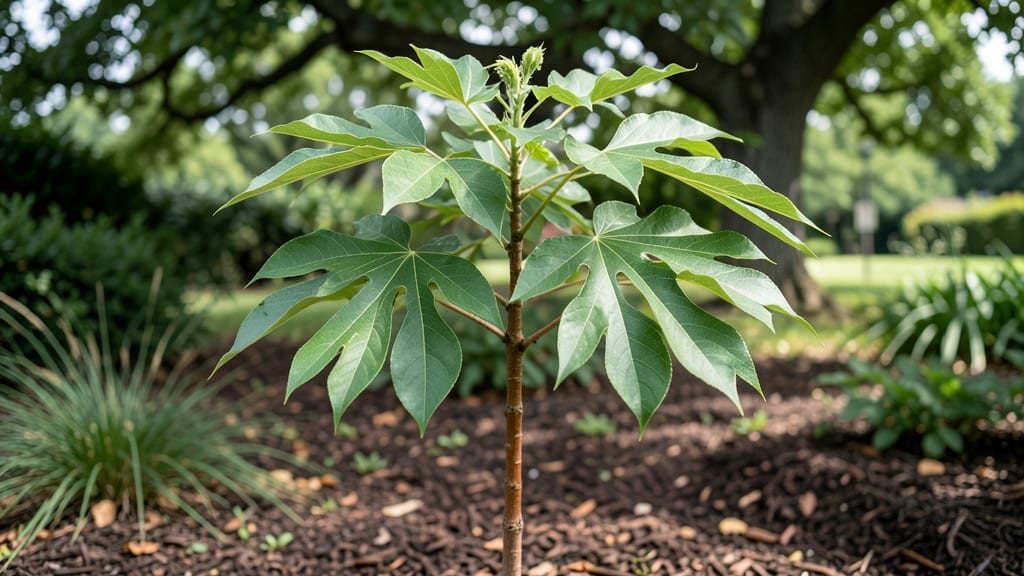
Growing a buckeye tree sapling from seed to towering shade giant starts with the right conditions—cool climates, well-draining soil, and patience. 🌱 I planted my first sapling in a shady corner of my yard, and within two years, it shot up taller than me, proving these trees aren’t just hardy but eager to grow.
The key is mimicking their native woodland environment right from the start.
Buckeyes thrive in partial shade to full sun, but they’ll tolerate more shade than many trees. Your soil should be moist but well-draining—think rich, loamy earth with a touch of sand to prevent soggy roots.
They’re cold-hardy down to Zone 3, so if you’re in a colder region, don’t worry about winter. Just protect young saplings from late frosts with a light burlap wrap if needed.
Watering is simple: deep but infrequent—once a week for established trees, more often for saplings. Fertilize lightly in spring with balanced 10-10-10, but avoid heavy feeding, as buckeyes prefer lean soil. Prune only to shape or remove dead branches; these trees handle neglect better than most.
The real magic happens when you let them grow unchecked—imagine a 60-foot shade tree in your backyard by maturity.
Watch for buckeye borers (the tree’s biggest pest) and powdery mildew in humid summers. A quick spray of neem oil or pruning out infected branches keeps them at bay.
Unlike fast-growing trees, buckeyes take their time—10-20 years to reach full height—but the reward is a striking, long-lived specimen with glossy leaves and those iconic seed pods. Start yours now, and you’ll have shade for generations.
📚 In This Guide
- What you need
- Instructions
- Tips and common mistakes
- Wrapping up and next steps
What you need
- ● Buckeye seeds: 3–5 fresh, plump seeds (harvested from a mature buckeye tree, Aesculus glabra or A. hippocastanum)
- ● Seed-starting mix: 1–2 gallons of sterile, well-draining potting soil (avoid garden soil—it can harbor pests!)
- ● Planting containers: 1–2 small pots (4–6 inches deep) for initial germination
- ○ 1 larger container (10+ inches deep) for saplings (optional but recommended)
- ● Grow lights or sunny windowsill: A south-facing window or a 12–16" LED grow light for 12–14 hours/day
- ● Watering can or spray bottle: With a fine mist setting for delicate seedlings
- ● Plastic wrap or humidity dome: To retain moisture during germination
- ● Pruning shears: Small, sharp pair (for future trimming—start practicing early!)
- ○ pH testing kit (optional): To ensure soil pH is between 6.0–7.0 (buckeyes prefer slightly acidic to neutral soil)
- ○ Fertilizer (optional): Balanced liquid fertilizer (e.g., 10-10-10) for young saplings
- ● Slow-release granular fertilizer (e.g., 14-14-14) for transplanting
- ● Patience & a sunny outdoor spot: Buckeye saplings need full sun (6+ hours/day) once transplanted!
Step-by-Step instructions for growing a buckeye tree sapling
Here's how to nurture a buckeye tree from a sapling to a sturdy, cold-hardy specimen ready for your landscape.
🌱 Step 1: Select and Prepare the Planting Site
Choose a location with full sun to partial shade and well-draining soil—buckeyes hate soggy roots. I always test soil drainage first by digging a 12-inch deep hole and filling it with water. If it drains in under an hour, the site is safe. Amend heavy clay with 2-3 inches of compost to improve aeration.
The sapling needs space to grow—buckeyes mature to 30-40 feet tall, so plant at least 20 feet from structures or other trees. Avoid low spots where cold air pools, as young buckeyes are sensitive to late frosts. Mark the spot with a stake to avoid disturbing the area before planting.
🪴 Step 2: Plant the Sapling at the Right Depth and Support
Dig a hole twice as wide as the sapling's root ball but no deeper—buckeyes struggle if planted too low. Gently remove the sapling from its container and tease the roots outward if they're circling. Place it in the hole so the top of the root ball sits 1 inch above ground level; this prevents stem rot as the soil settles.
Backfill with native soil mixed with 1 part compost to improve fertility. Water deeply as you fill, tamping down gently to eliminate air pockets. Install a 3-foot tall stake next to the sapling and secure it with flexible tree ties, keeping the trunk upright but not constricted.
☀️ Step 3: Establish Watering Routines for the First Year
Water the sapling twice weekly for the first month, providing 1-2 gallons each time until the soil is 6 inches deep moist. After that, shift to deep watering every 10-14 days, depending on rainfall. Buckeyes develop deep roots, so infrequent, thorough watering encourages stronger growth than frequent shallow drinks.
Check moisture by probing the soil with a finger—if the top 2 inches feel dry, it's time to water. Mulch around the base with 2-3 inches of wood chips, keeping it 6 inches away from the trunk to prevent rot. This retains moisture and regulates soil temperature, which is critical during hot summers.
✂️ Step 4: Prune for Structure and Cold Hardiness
Wait until the sapling is 2-3 feet tall before pruning—young buckeyes are delicate. Remove any crossing branches or those growing inward to create an open canopy that allows sunlight to reach the lower trunk. Cut just above a outward-facing bud at a 45-degree angle to encourage healthy regrowth.
In late winter, prune again to remove any dead or damaged wood. Buckeyes are cold-hardy but benefit from selective pruning to improve airflow, which reduces the risk of fungal diseases. Never remove more than 25% of the foliage in one season—this stresses the tree and slows growth.
⏰ Step 5: Monitor for Pests and Seasonal Adjustments
Watch for signs of buckeye tree aphids or borers, which are common early threats. I inspect the undersides of leaves weekly for sticky residue or tiny insects. If found, spray with a neem oil solution (1 tablespoon per gallon of water) in the evening to avoid harming beneficial insects.
In the first winter, wrap the trunk with tree guard to protect against rodent damage and fluctuating temperatures. Buckeyes are hardy to -20°F, but young saplings benefit from extra insulation until their bark thickens. Remove the wrap in early spring once new growth begins.
Tips & tricks for perfect buckeye tree sapling growth
Transforming a delicate sapling into a thriving buckeye tree requires attention to detail—here’s how to avoid common pitfalls and maximize success.
Soil Drainage Test: The 12-inch deep drainage test in Step 1 is non-negotiable for buckeyes. If water pools at the bottom after an hour, amend with more compost or consider a raised bed. I’ve seen saplings drown in heavy clay within weeks—don’t let that happen to yours. The goal is to mimic the tree’s native, well-drained woodland soil conditions.
Root Ball Placement: That 1-inch elevation above ground level in Step 2 prevents stem rot by allowing excess water to flow away. I’ve watched saplings planted too deep suffocate over winter. Use a level to ensure consistent placement—even a slight dip can trap moisture. Pro tip: Gently press the soil around the edges to eliminate air pockets while backfilling.
Watering Strategy: The twice-weekly routine in Step 3 might seem frequent, but buckeyes establish deep roots only when water penetrates to 6 inches. Use a soil probe or your finger to check moisture—if the top 2 inches feel dry, it’s time. Morning watering prevents fungal issues, and mulch acts as a moisture regulator. During summer droughts, I’ve extended watering to every 7 days with no negative effects.
Winter Protection: While buckeyes tolerate -20°F, young saplings need extra care. The tree guard wrap in Step 5 should extend from the base to 18 inches up the trunk. I’ve seen rodents gnaw through thinner wraps—opt for a sturdy, breathable material. Remove it in early spring once buds swell, or you’ll trap moisture against the bark.
Pro Tips for Buckeye Tree Sapling
- Transforming a delicate sapling into a thriving buckeye tree requires attention to detail—here’s how to avoid common pitfalls and maximize success.
- Soil Drainage Test: The 12-inch deep drainage test in Step 1 is non-negotiable for buckeyes.
- Root Ball Placement: That 1-inch elevation above ground level in Step 2 prevents stem rot by allowing excess water to flow away.
Frequently asked questions
Got questions about growing buckeye tree saplings?
You’re not alone! Here are answers to the most common queries—from planting tips to troubleshooting—so you can nurture a thriving buckeye tree with confidence.
When is the best time to plant a buckeye sapling?
Plant buckeye saplings in early spring or fall when soil temperatures are mild (50–70°F). Avoid extreme heat or frost, as young roots are sensitive. If planting in summer, water deeply and provide shade to prevent stress. Pro tip: Amend soil with compost for better nutrient uptake!
How cold-hardy are buckeye saplings, and do they need winter protection?
Buckeye trees (like Ohio buckeye) are zoned 3–9, but saplings may need extra care in their first winter. Mulch heavily (3–4 inches) around the base and wrap the trunk with burlap if temps drop below 10°F. Young trees benefit from circulation—avoid dense snow buildup.
Can I grow a buckeye tree from seed, or should I buy a sapling?
While yes, you can grow from seed (they’re surprisingly easy!), saplings mature faster and have a higher success rate. Seeds may take 2–3 years to sprout and grow into a sturdy tree. For impatient gardeners, a 1–2 ft sapling is the smarter choice.
Why are my buckeye sapling leaves turning yellow or dropping?
Yellowing leaves often signal overwatering, nutrient deficiency, or root rot. Check soil moisture—buckeyes prefer well-draining soil. If roots smell sour, reduce watering and improve drainage. Bonus fix: A balanced fertilizer in spring can revive growth!
How tall will my buckeye tree grow, and when can I expect fruit?
Mature buckeye trees reach 20–40 feet tall, with some varieties (like red buckeye) staying smaller. Fruit (buckeyes) appears in 5–10 years for saplings planted from seed, or 3–5 years for grafted trees. Patience pays off—these trees are worth the wait!
Wrapping up and next steps
Growing a buckeye tree sapling from seed is a rewarding journey that blends patience with the joy of nurturing nature’s resilience.
Whether you’re drawn to its striking foliage, cold-hardy nature, or the promise of future shade, remember that every sapling starts small—but with the right care, it can thrive into a majestic tree. 🌱
Now that you’re armed with the know-how, why not take the next step? Plant your first seed today and watch as your buckeye tree grows into a lasting symbol of strength and beauty in your landscape!