
Blooming
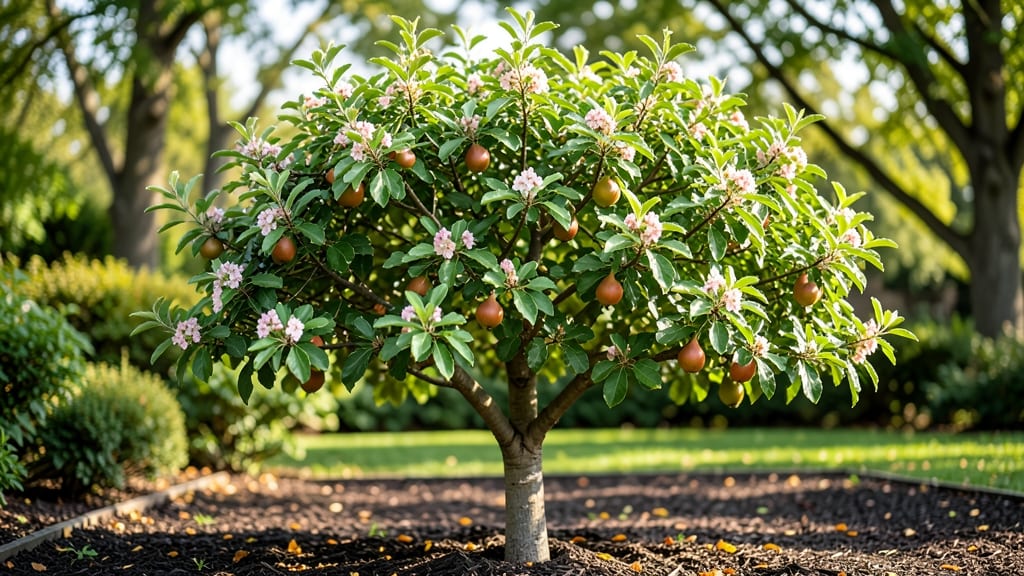
That first flush of Asian pear tree bloom is one of spring’s most breathtaking sights—delicate pink flowers that perfume the air long before the fruit appears. ✨ I’ve watched my own trees transform from bare branches to a fragrant canopy, and the secret to those showstopping blooms lies in timing, pruning, and a little seasonal TLC.
This isn’t just about pretty flowers; it’s about setting your tree up for a bumper harvest later in the year.
The best blooms happen when you prune in late winter (before buds swell) and fertilize with high-nitrogen in early spring—think of it as jumpstarting the tree’s energy. Asian pears thrive in zones 5-8, but cooler climates need extra protection from late frosts, which can nip those tender blossoms.
My trees in zone 6 get a light frost cloth on nights below 28°F, and it makes all the difference. The payoff? A tree so lush with flowers, neighbors ask if it’s a different species entirely.
What you’ll end up with is a tree that doesn’t just bloom—it performs. The flowers attract pollinators, the fruit develops sweeter with proper care, and the shade becomes a cool retreat by summer.
The key is consistency: prune annually, water deeply during dry spells, and avoid heavy fertilizer after mid-summer (that’s when the tree shifts focus to fruit, not flowers). Trust me, the first time you see those pink clusters in April, you’ll understand why gardeners obsess over this moment.
Now, here’s the thing about Asian pears: they’re fussier than apples but reward patience with juicy, honey-sweet fruit that’s worth every bit of effort.
Whether you’re in a mild coastal climate or a frosty inland zone, the principles stay the same—adjust the timing, protect the blooms, and let the tree do the rest. Let’s get those branches ready for their close-up.
📚 In This Guide
- What you need
- Instructions
- Tips and common mistakes
- Wrapping up and next steps
What you need
- ● Asian pear tree (Pyrus pyrifolia) – Choose a healthy, disease-resistant variety (e.g., 'Kosui' or 'Niitaka'). Note: Nursery-grown saplings (3-5 years old) work best for immediate blooms.
- ● Well-draining soil – Aim for a mix of 60% topsoil, 30% compost, and 10% perlite/sand to prevent root rot. pH level: 6.0–7.0 (slightly acidic to neutral).
- ● Organic fertilizer – Use a balanced 10-10-10 NPK or citrus-specific fertilizer (high in nitrogen for early growth). Quantity: 1 lb per 100 sq. ft.
- ● Mulch – 3–4 inches of wood chips or straw to retain moisture and regulate soil temperature.
- ● Drip irrigation system or hose – For consistent watering (Asian pears need 1–1.5 inches of water weekly during bloom season).
- ● Garden shovel & trowel – For planting and soil prep.
- ● Pruning shears – Bypass pruners (sharp, 6–8 inch blades) for shaping and deadheading spent blooms.
- ● Gloves & knee pads – Protect your hands and joints during planting.
- ○ Soil pH test kit – Optional but helpful for fine-tuning soil conditions.
- ● Tree stake & ties – If planting young saplings (1–2 stakes per tree for stability).
- ● Pollinator-friendly plants – Add lavender, bee balm, or clover nearby to attract bees and boost fruit set.
- ● Frost cloth – Protect young blooms from late spring frosts (30–50 ft. wide roll).
- ● Slow-release fertilizer spikes – For hassle-free nutrient delivery.
- ● Decorative stakes or trellis – Enhance the aesthetic while training the tree’s growth.
How to encourage a stunning Asian pear tree bloom
Here’s how I coax those fragrant pink blossoms into full, vibrant glory every spring.
🌱 Step 1: Prune for Light and Airflow in Late Winter
Start by removing dead, diseased, or crossing branches with clean, sharp pruners. I focus on opening up the center of the tree to let sunlight reach all branches—this is key for flower buds to form. Cut just outside the branch collar, where the branch meets the trunk, to prevent damage. Thin out branches that rub against each other, as these wounds invite pests and diseases.
Keep cuts to about ¼ inch above a bud or side branch to encourage new growth. If your tree has grown too dense, aim to reduce the canopy by no more than 25% in one year—this prevents stress that could delay blooming. Watch for swollen buds along the branches; these are your future flowers, so handle them gently during pruning.
☀️ Step 2: Provide the Right Spring Conditions
Asian pear trees need full sun (6-8 hours daily) and well-draining soil to bloom their best. If your tree is in partial shade, consider moving it to a sunnier spot or thinning nearby trees and shrubs to improve light exposure. I also add a 2-3 inch layer of mulch around the base (but not touching the trunk) to retain moisture and regulate soil temperature.
Water deeply once a week during dry spells, ensuring the soil is moist 6 inches down. Overwatering can stress the tree, while underwatering causes buds to drop. You’ll know the moisture is right when the soil feels damp but not soggy—like a wrung-out sponge. Avoid overhead watering during bloom to keep petals dry and prevent fungal issues.
💧 Step 3: Fertilize for Blooms in Early Spring
Apply a balanced, slow-release fertilizer (10-10-10) in early spring, just as buds begin to swell. I scatter the granules evenly under the tree’s drip line and water them in well. This gives the tree the nutrients it needs to produce abundant blossoms without overstimulating leafy growth at the expense of flowers. Avoid high-nitrogen fertilizers—they encourage foliage but can reduce bloom production.
If your soil is poor, a soil test can help determine if additional micronutrients (like zinc or iron) are needed. I’ve found that Asian pears respond well to a light application of compost worked into the top 4-6 inches of soil in early spring. This improves soil structure and provides a steady supply of nutrients as the tree blooms.
✂️ Step 4: Protect Blooms from Pests and Weather
Watch for aphids, scale, or mites on new growth—they can weaken the tree and reduce blooming. I spray the tree with neem oil (mixed as directed) at the first sign of pests, focusing on the undersides of leaves where insects hide. For heavy infestations, a horticultural oil spray in late winter (before buds swell) can prevent damage entirely.
If frost threatens during bloom, cover the tree with a lightweight frost cloth at night and remove it in the morning. Asian pears are somewhat frost-tolerant, but young blossoms are delicate. You’ll know frost damage has occurred if petals turn brown or buds fail to open—this can reduce the following year’s fruit set, so protection is worth the effort.
⏰ Step 5: Enjoy and Plan for Next Year
Once the blooms fade, leave the spent flowers on the tree—they’ll develop into fruit. Thin fruit later in the season to 6-8 inches apart to ensure the remaining pears grow large and sweet. I also take notes on what worked (like pruning timing or fertilizer type) and adjust for the next bloom season.
After harvest, add a layer of organic mulch to replenish nutrients and improve soil health. This sets the stage for even more spectacular blooms next spring. The key is patience—Asian pear trees often take 3-5 years to reach full bloom potential, but once they do, the fragrant pink canopy is worth every step.
Tips & tricks for perfect Asian pear tree blooms
Here's what nobody tells you about transforming your tree into a fragrant pink spectacle every spring.
Pruning Precision: When removing branches in Step 1, make your cuts at a 45-degree angle just outside the branch collar. This prevents water from pooling and causing rot. I've seen too many trees develop infections from improper cuts—always use sharp pruners to make clean cuts that heal faster. The 25% canopy reduction rule is critical: exceeding this can shock the tree and delay blooming for years.
Sunlight Strategy: The 6-8 hours of daily sun requirement is non-negotiable for those vibrant pink blossoms. If your tree is in partial shade, consider pruning nearby trees or shrubs to improve light exposure. I've found that even an extra 2 hours of sunlight can make a noticeable difference in bloom quantity. Position the tree where it gets morning sun and afternoon shade if your climate is particularly hot.
Watering Wisdom: That 6 inches deep moist soil guideline is about more than just hydration. Test moisture by squeezing a handful of soil—it should hold together but crumble when you apply gentle pressure. Overwatering is just as damaging as underwatering, especially during bloom. I've seen buds drop when trees sit in soggy soil, so always let the top inch dry out between waterings during dry spells.
Fertilizer Timing: Applying the 10-10-10 fertilizer exactly when buds begin to swell is crucial. Too early and you'll encourage leafy growth at the expense of flowers. Too late and the tree won't have enough nutrients to support abundant blooms. I've had the best results when the buds are just starting to plump up—about the size of a pea. This timing ensures the tree has the energy it needs for both flowers and fruit development.
Pro Tips for Asian Pear Tree Bloom
- Here's what nobody tells you about transforming your tree into a fragrant pink spectacle every spring.
- Pruning Precision: When removing branches in Step 1, make your cuts at a 45-degree angle just outside the branch coll...
- Sunlight Strategy: The 6-8 hours of daily sun requirement is non-negotiable for those vibrant pink blossoms. If your ...
Frequently asked questions
Got questions about nurturing your Asian pear tree bloom? You’re not alone! Here are answers to the most common queries to help you enjoy those stunning pink blossoms year after year.
When do Asian pear trees typically bloom?
Asian pear trees usually bloom in late spring, around April to May, depending on your climate zone. In warmer regions, blooms may appear earlier, while colder areas might see them slightly later. Chilly nights (below 50°F) can delay flowering, so monitor your tree’s progress!
How can I encourage more blossoms on my Asian pear tree?
To maximize blooms, ensure your tree gets full sun (6+ hours/day) and well-draining soil. Prune in late winter to remove dead wood and open the canopy for better airflow. Avoid heavy nitrogen fertilizers—they promote leaf growth over flowers. A balanced 10-10-10 fertilizer in early spring works wonders!
What should I do if frost threatens during bloom time?
Frost can damage delicate blossoms, but don’t panic! Cover young trees with a lightweight frost cloth at night. For mature trees, use sprinklers to create a thin ice layer that insulates buds. Avoid heavy mulch near the trunk, as it can trap cold air. Timing is key—act before temperatures drop below 28°F!
Can I grow an Asian pear tree in a container?
Yes! Dwarf varieties like ‘Seiki’ or ‘Kieffer’ thrive in containers (15+ gallons). Use a fast-draining potting mix and repot every 2–3 years. Place the container in full sun and water when the top inch of soil is dry. Just remember: container-grown trees may produce smaller fruit and fewer blooms than in-ground plants.
Why aren’t my Asian pear tree blossoms turning into fruit?
Blossoms may drop without fruiting due to poor pollination, temperature swings, or nutrient deficiencies. Hand-pollinate with a soft brush if bees are scarce. Ensure consistent moisture (but avoid soggy soil) and apply a phosphorus-rich fertilizer in early spring. If the issue persists, check for pests like pear psylla or fungal diseases.
Wrapping up and next steps
The Asian pear tree bloom isn’t just a fleeting burst of pink—it’s a promise of fresh fruit, fragrant air, and a garden that feels like a dream.
Whether you’re a seasoned gardener or a newbie eager to plant your first tree, this spring spectacle is well within reach with the right care and patience. 🌸
Now that you’re armed with tips on planting, pruning, and troubleshooting, take the next step: sketch a cozy spot in your yard for your tree, gather your tools, and dive in!
Watching those delicate blossoms unfold into a canopy of pink will be worth every effort—trust us. Happy planting! 🌱