
How To
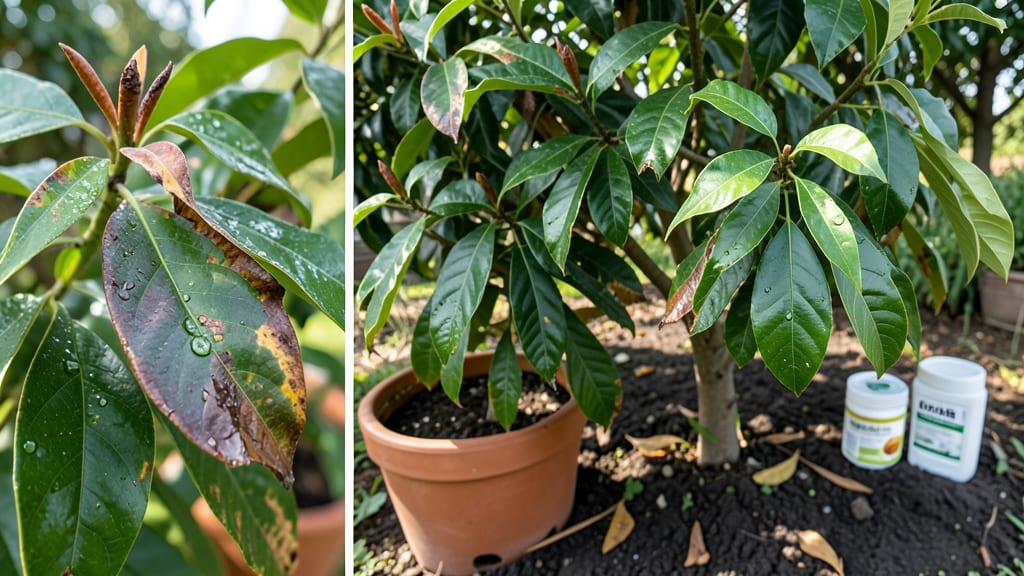
Your avocado tree’s brown leaf tips might look like a death sentence, but they’re usually a fixable warning. 🌿 I’ve nursed back more than a few trees from this exact problem—it’s almost always about water, salt, or nutrients, not the plant itself.
The most common culprits? Overwatering (which causes root rot and salt buildup in the soil) or underwatering (stressing the tree so badly it can’t hold onto moisture). Nutrient deficiencies—especially potassium or magnesium—show up as brown edges too, and they’re easy to correct with the right fertilizer.
Pests like spider mites can also mimic these symptoms, so don’t rule them out.
With a simple 3-step fix, you’ll see fresh green growth within weeks: flush the soil to remove salt, adjust your watering schedule, and feed the tree what it’s missing. I’ve revived trees that looked beyond hope using just these steps—no fancy tools or expensive treatments required.
If the problem persists after a month of consistent care, it might be time to check for deeper issues like root rot or disease. But start with the basics—you’ll likely see improvement fast. Here’s exactly how to diagnose and treat it.
Root Causes Behind Leaf Discoloration
When your avocado tree’s leaves start showing brown tips, it’s rarely a single culprit—it’s usually a mix of environmental stressors, care oversights, or hidden health issues. Understanding these triggers is the first step to restoring your tree’s lush, green beauty.
Below, we break down the most common reasons why your avocado tree’s leaves develop those unsightly brown edges, along with the science behind them.
Avocado trees (Persea americana) are tropical plants, but they despise soggy roots. When soil stays too wet for too long, roots suffocate from a lack of oxygen, leading to root rot (often caused by fungi like Phytophthora).
This disrupts the tree’s ability to absorb water and nutrients, causing leaves to dry out from the edges inward.
Here’s how it happens:
- Excessive moisture triggers oxidative stress in root cells, damaging their membranes and blocking nutrient transport.
- To compensate, the tree prioritizes water delivery to critical areas (like new growth), leaving older leaves to crisp at the tips due to transpiration imbalance.
- Salts and minerals buildup in poorly drained soil can also scorch leaf edges, mimicking drought stress.
💡 Pro Tip: Stick your finger 2 inches into the soil—if it’s damp, wait before watering. Avocado trees prefer well-draining soil with a pH of 6.0–7.0. Amend heavy clay soil with perlite or coarse sand to improve aeration.
Brown leaf tips can also signal chronic dehydration, where the tree’s cells lose turgor pressure (the "plumpness" that keeps leaves firm). When soil dries out, the tree’s vascular system struggles to deliver water fast enough, causing:
- Plasmolysis: Cell walls shrink away from their membranes, leading to tissue death at the leaf margins (where water loss is highest).
- Salt accumulation: As water evaporates, minerals like calcium and magnesium concentrate at the leaf edges, creating a "burn" effect.
- Low humidity (common in dry climates or indoor settings) accelerates transpiration, worsening the problem.
Avocado trees thrive in 60–80% humidity. In arid conditions, group plants together or use a humidifier near them. 🌡️ Watch for: Dry, papery leaves or soil pulling away from the pot edges—both signs of thirst.
Avocado trees are sensitive to both extreme heat and cold snaps, but even mild fluctuations can stress them. Brown tips often appear when:
🔥 Heat Stress
Temperatures above 90°F (32°C) for prolonged periods cause:
- Stomatal closure: Pores on leaves seal to conserve water, but this halts gas exchange, leading to oxidative damage in cells.
- Photosynthesis shutdown: Chlorophyll degrades faster in heat, turning leaf edges brown.
- Salt burn: If you’re using tap water with high sodium or chlorine, heat intensifies mineral buildup.
💡 Fix It: Provide afternoon shade during peak summer months. Use rainwater or filtered water to avoid salt accumulation.
❄️ Cold Damage
Avocado trees are not frost-tolerant—temperatures below 50°F (10°C) can cause:
- Cell membrane rupture: Cold disrupts lipid bilayers in cells, leading to necrosis (dead tissue) at leaf edges.
- Water crystallization: Ice forms in leaf veins, physically damaging vascular tissue.
If your tree is outdoors, ✨ protect it with frost cloth or move potted trees to a sheltered spot. Indoor trees should stay away from drafty windows.
Brown leaf tips can also signal imbalanced nutrition. The most common offenders:
📊 Magnesium Deficiency (Interveinal Chlorosis)
Magnesium is central to chlorophyll production. When soil lacks it (common in sandy soils), leaves develop brown edges while veins stay green. This happens because:
- Magnesium is mobile in the plant, so symptoms appear on older leaves first.
- Deficiency disrupts photosynthesis, leading to reactive oxygen species (ROS) that "burn" leaf tissue.
💡 Solution: Apply Epsom salt (magnesium sulfate)—mix 1 tbsp per gallon of water and spray leaves monthly.
🧂 Salt or Chemical Toxicity
Over-fertilizing or using hard water (high in calcium, sodium, or chlorine) can cause:
- Osmotic stress: Excess salts draw water out of root cells, leading to dehydration symptoms.
- Ion imbalance: Too much sodium displaces potassium, disrupting enzyme function in leaves.
Flush the soil with distilled water to leach out excess salts. Avoid fertilizers high in chloride—opt for organic, slow-release options instead.
While less common, spider mites, scale insects, or fungal infections (like Botrytis) can cause brown, crunchy leaf tips by:
- Sucking sap, which disrupts nutrient transport and causes localized cell death.
- Creating entry points for secondary infections that rot leaf tissue.
Inspect the undersides of leaves for webbing (mites) or sticky residue (scale). Treat with neem oil or insecticidal soap if pests are present.
Now that you know the science behind the stress, the next step is diagnosing which factor is affecting your avocado tree. 🔍 Check the soil, leaves, and growing conditions to pinpoint the issue—then take action in the next section!
Fix Your Avocado Tree’s Brown Tips
Now that you know the likely causes behind those pesky brown leaf tips on your avocado tree—whether it’s overwatering, underwatering, nutrient deficiencies, pests, or environmental stress—let’s roll up our sleeves and get to work! 🌿💪 The good news?
Most of these issues are reversible with a few targeted fixes. Below, we’ve mapped out practical, step-by-step solutions tailored to each root cause, plus prevention tips to keep your tree thriving long-term.
Signs: Yellowing leaves, mushy stems, brown tips, or a soggy soil base.
How to Fix It 🔥 Step 1: Let the Soil Dry Out
Stop watering immediately and allow the top 2–3 inches of soil to dry completely before watering again.
Stick your finger in the soil—if it’s damp past 1 inch, wait longer. - Pro Tip: 🌡️ Use a moisture meter for accuracy, especially in humid climates.
🍳 Step 2: Improve Drainage - If your pot lacks drainage holes, repot your avocado tree into a container with holes at the bottom.
Use a well-draining potting mix (like a blend of cactus soil, perlite, and compost). - For in-ground trees: Amend the soil with organic matter (like compost or coconut coir) to enhance aeration.
👨🍳 Step 3: Adjust Your Watering Routine
- Water deeply but infrequently—once every 7–10 days (adjust based on climate). Avocado trees hate "wet feet."
- Morning watering is best to reduce fungal risks from evening moisture.
🎯 Prevention Tips: ✔️ Avoid misting leaves—it encourages fungal growth. ✔️ Use a saucer under pots but empty excess water after 30 minutes to prevent root rot.
Signs: Crispy, brown edges, dry soil pulling away from the pot, or leaves curling inward.
How to Fix It
🔥 Step 1: Hydrate Deeply
- Water thoroughly until it drains from the bottom, then wait until the top inch of soil is dry before watering again.
- For container trees: Soak the pot in a tub of water for 10–15 minutes to ensure even moisture.
🥘 Step 2: Boost Humidity (Indoor Trees)
- Place a humidifier nearby or group plants together to create a microclimate.
- DIY trick: 💡 Place a tray of water with pebbles under the pot (ensure the pot sits above the water to avoid root rot).
⏰ Step 3: Mulch for Moisture Retention
- Add a 2-inch layer of mulch (like bark chips or straw) around the base of in-ground trees to lock in moisture.
🎯 Prevention Tips: ✔️ Monitor soil moisture—avocado trees prefer slightly dry soil over soggy conditions. ✔️ Avoid cold drafts (like AC vents) that dry out leaves quickly.
Signs: Brown tips plus yellowing between veins (chlorosis), stunted growth, or weak stems.
How to Fix It
🔥 Step 1: Test Your Soil
- Use a DIY soil test kit (available at garden centers) or send a sample to a local extension office for analysis.
🍳 Step 2: Fertilize Properly
- For nitrogen deficiency (yellowing leaves): Apply a balanced fertilizer (like 10-10-10) every 4–6 weeks during growing season (spring–fall).
- For potassium/magnesium (brown tips + weak growth): Use a potassium-rich fertilizer (like banana peel tea) or Epsom salt (1 tbsp per gallon of water, sprayed on leaves).
- For iron/chlorosis: Apply chelated iron or use rainwater (tap water can lock out nutrients).
👨🍳 Step 3: Feed the Roots Right
- Avoid over-fertilizing—this can burn roots. Start with half the recommended dose and monitor.
- Organic option: Compost tea or worm castings provide slow-release nutrients.
🎯 Prevention Tips: ✔️ Fertilize in spring when new growth begins—avoid winter feeding. ✔️ Use slow-release granules for steady nutrition.
Signs: Sticky residue (honeydew), tiny webs, or wilting despite proper watering.
How to Fix It
🔥 Step 1: Isolate and Inspect
- Quarantine the tree to prevent pests from spreading. Check undersides of leaves and stems for bugs.
🥘 Step 2: Blast Them Away - For soft-bodied pests (aphids, mites): Spray with neem oil (1 tsp per quart of water + a drop of dish soap as a surfactant).
Reapply every 5–7 days for 2 weeks. - For scale insects: Scrape off visible pests with a soft brush dipped in rubbing alcohol, then treat with horticultural oil.
👨🍳 Step 3: Encourage Beneficial Insects
- Introduce ladybugs or lacewings (available at garden stores) to eat pests naturally.
🎯 Prevention Tips: ✔️ Inspect new plants before bringing them home. ✔️ Prune regularly to improve airflow and reduce hiding spots.
Signs: Brown tips only on exposed sides, leaf scorch, or sudden wilting after a heatwave.
How to Fix It
🔥 Step 1: Flush the Soil
- Salt buildup? Water the tree thoroughly for 10 minutes to leach out excess salts. Repeat weekly until soil runs clear.
🍳 Step 2: Protect from Elements
- Windburn? Move potted trees to a sheltered spot or wrap the pot in burlap for protection.
- Cold damage? Avoid placing trees near AC units or drafty windows. Use a lightweight frost cloth in winter if temps drop below 40°F (4°C).
👨🍳 Step 3: Adjust Watering for Heat
- In extreme heat: Water early in the morning to reduce evaporation. Use mulch to retain moisture.
🎯 Prevention Tips: ✔️ Avoid fertilizing in peak summer—it stresses the tree. ✔️ Gradually acclimate potted trees to outdoor conditions (harden off) before moving them.
Once you’ve addressed the root cause, prune away severely damaged leaves with sterilized scissors to redirect the tree’s energy to new growth. Focus on:
- Brown, crispy tips (trim back to healthy green tissue).
- Overcrowded branches (improves airflow and light penetration).
Frequently asked questions
Why do my avocado tree's leaves only get brown tips on older leaves?
This is often a sign of magnesium deficiency or potassium deficiency. Older leaves show symptoms first because these nutrients are mobile in the plant—your tree pulls them from older leaves to support new growth. Test your soil and apply Epsom salt (for magnesium) or a potassium-rich fertilizer (like banana peel tea) to restore balance.
Can I prune off the brown tips to help my avocado tree?
Yes, but only trim the dead, brown tissue—never healthy green parts. Pruning encourages new growth by redirecting the tree's energy. Use sterilized scissors to cut just above a leaf node (where new leaves emerge). Avoid over-pruning, as this can stress the tree further.
How often should I water my avocado tree to prevent brown tips?
Water deeply but infrequently—once every 7–10 days (adjust based on climate). Let the top 2–3 inches of soil dry out between waterings. Overwatering is the #1 cause of brown tips, so always check soil moisture before adding more water. Morning watering helps prevent fungal issues.
Is my avocado tree dying if it has brown leaf tips?
Not necessarily! Brown tips are usually a warning sign, not a death sentence. Most cases are reversible with proper care (adjusting water, nutrients, or environment). However, if most leaves are brown, the tree is wilting, or you see mushy stems, it may indicate root rot or severe stress—act fast to save it.
Can I use tap water for my avocado tree if it causes brown tips?
Hard water (high in chlorine, sodium, or calcium) can cause salt buildup in soil, leading to brown tips. Try using rainwater or filtered water instead. If that's not possible, flush the soil monthly by watering thoroughly for 10 minutes to leach out excess salts.