
Pruning
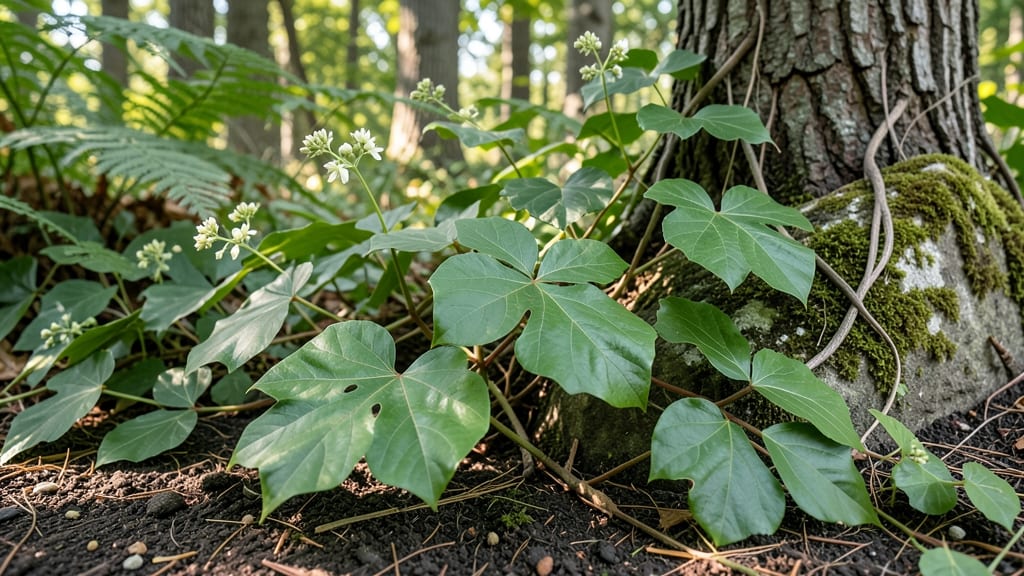
That clinging vine with three pointed leaves is the last thing you want climbing your tree. 🌿 Poison ivy on tree vines spreads fast, damages bark, and triggers itchy rashes—but you can remove it safely without burning the tree or yourself.
First, confirm it’s poison ivy (not Virginia creeper or boxelder) by checking for the classic "leaves of three" pattern and white berries. Wear long sleeves, gloves, and eye protection—even dead vines cause reactions. Grab a pruner, trash bags, and a hose for cleanup.
Cut the vine at the base and soak the cut ends in vinegar or rubbing alcohol to kill it. For stubborn growth, apply a 20% vinegar solution to the tree trunk where it attaches. Bag the debris immediately and seal it—never burn it.
The key is acting fast. After removal, inspect the tree for damage and apply a thin layer of horticultural oil to smother any remaining roots. Your tree will thank you—and so will your skin.
How vines invade trees naturally
Poison ivy thrives as a tree vine because of its aggressive growth habits and adaptive survival strategies. Unlike some plants that rely solely on sunlight, poison ivy has evolved to exploit trees as a support system, turning them into living ladders for expansion.
Understanding why this happens helps you spot it early and act before it spreads uncontrollably.
---
Poison ivy (Toxicodendron radicans) is a perennial vine that grows in three main forms: climbing, shrub-like, and ground-covering. When it climbs trees, it uses:
- Tendrils and Rootlets: Thin, hair-like structures called haustoria latch onto tree bark, penetrating the surface to draw moisture and nutrients—not to strangle the tree (though dense growth can block sunlight). - Aerial Roots: These roots grow along branches, creating a woody, rope-like texture that can resemble a snake slithering upward. - Fast Growth Rate: In ideal conditions, poison ivy can grow up to 1 foot per week, quickly blanketing trees and fences.
Why trees? Poison ivy doesn’t need direct sunlight to survive—it leans into shade tolerance, making trees its perfect host. Once established, it smothers competitors by blocking light and outcompeting other plants for resources.
---
Not all trees are equally vulnerable.
Poison ivy targets species with: - Smooth or Thin Bark: Trees like maples, oaks, and fruit trees provide easy grip for its rootlets, while rough-barked trees (e.g., birch or pine) offer less purchase. - High Moisture Retention: Damp soil or bark (common in shady, humid areas) keeps poison ivy hydrated, fueling rapid growth. - Limited Competition: In young forests or overgrown yards, poison ivy has fewer rivals for space, allowing it to dominate.
Pro Tip: 💡 Mature trees with rough bark (like cedar or hickory) are less likely to host poison ivy, but no tree is immune—once a vine finds a foothold, it will exploit it.
---
Poison ivy doesn’t just grow—it strategically expands when conditions favor it:
| Trigger | How It Works | Actionable Fix | |---------------------------|---------------------------------------------------------------------------------|--------------------------------------------| | Disturbed Soil | Digging, mowing, or construction exposes roots, prompting new shoots. | Mulch heavily to block light to roots. | | High Humidity | Moisture keeps vines plump and active; drought stresses them. | Prune in dry, sunny weather for best results. | | Sunlight Gaps | When trees are pruned or die, poison ivy fills the space aggressively. | Thin tree canopies to reduce shade. | | Animal or Wind Dispersal | Birds and wildlife spread seeds via clinging to fur or feet; wind carries lightweight berries. | Remove vines before berries form (spring/summer). |
Key Insight: Poison ivy is opportunistic—it waits for openings (like fallen leaves or dead branches) to anchor and spread. Regular yard maintenance can starve it out before it takes over.
--- Poison ivy is resilient due to: - Underground Rhizomes: Even if you cut the vine at the base, hidden roots can regrow if not fully excavated. - Dormant Seeds: Berries can remain viable in soil for years, waiting for the right conditions to sprout. - Chemical Defense: Its urushiol oil deters herbivores, but it also inhibits competing plants, ensuring its dominance.
Warning: ⚠️ Never burn poison ivy—the smoke releases urushiol, which can cause severe respiratory irritation. Always use physical removal or vinegar-based herbicides.
--- Ironically, well-intentioned gardening can accelerate poison ivy growth: - Over-Pruning Trees: Creates more light gaps for vines to exploit. - Ignoring Early Signs: Small patches left unchecked become massive, tangled webs in 1–2 years. - Using Mulch from Infested Areas: Contaminated mulch spreads seeds and rhizomes to new spots.
Pro Tip: 🌡️ Monitor trees in spring—that’s when poison ivy sprouts fastest. A quick inspection can save hours of cleanup later.
Eradicating Vine Creepers Safely
Dealing with poison ivy tangled in your tree isn’t just an eyesore—it’s a hazard. The good news? You can tackle it effectively with the right approach. Below, we break down cause-specific solutions to remove it completely, protect your tree, and keep it from returning.
Plus, we’ll share prevention tips to stop future outbreaks.
---
If poison ivy has already wrapped around your tree’s trunk or branches, manual removal is key—but do it carefully to avoid spreading oils or damaging the tree.
#### 🔥 Step 1: Gear Up for Safety Before touching the vine, protect yourself: - Wear long sleeves, gloves (vinyl or thick rubber), and goggles—poison ivy’s oils can cling to skin and clothing. - Use disposable coveralls if the infestation is severe. - Wash everything immediately after removal (more on this below).
#### 🍳 Step 2: Cut and Bag the Vines 1. Trim the vines at the base where they meet the tree, using sharp pruners or loppers. Avoid tearing—this spreads the urushiol oil (the irritant). 2. Double-bag the clippings in heavy-duty trash bags.
Seal tightly to prevent regrowth or accidental contact. 3. Disinfect your tools with rubbing alcohol (70% or higher) or a 10% bleach solution to kill any lingering oils.
#### 👨🍳 Step 3: Smother or Pull Remaining Roots - For small patches, pull the vines gently from the ground (wear gloves!). - For persistent roots, smother them with black plastic sheeting (secure with rocks) for 4–6 weeks to starve them of sunlight.
✨ Pro Tip: If the vine is high up, consider calling a professional arborist—they have the tools to remove it safely without harming the tree.
---
If poison ivy keeps coming back, herbicides may be necessary. But use them strategically to avoid harming your tree.
#### 🔪 Step 1: Choose the Right Herbicide - Glyphosate (e.g., Roundup) works well for large infestations but should be applied only to the leaves (not the tree bark). - Triclopyr (e.g., Ortho Poison Ivy Killer) is safer for trees—follow label instructions for dilution. - Horticultural vinegar (20–30% acetic acid) is a natural option but requires direct leaf application on a dry, sunny day.
#### ⏰ Step 2: Apply at the Right Time - Best time: Late spring to early summer when the plant is actively growing. - Avoid windy days—drift can damage nearby plants. - Reapply every 7–10 days for stubborn patches.
#### 🌡️ Step 3: Monitor and Retreat - Check for new growth after 2–3 weeks. If any remains, treat again. - Do not apply herbicide to the tree bark—it can harm the tree’s health.
💡 Pro Tip: For organic control, try boiling water or salt spray (mix 1 gallon water + 2 cups salt) on small patches. Test on a hidden area first!
---
Once you’ve removed the poison ivy, keep it from returning with these long-term strategies:
#### 🌳 Maintain Healthy Tree Growth - Prune regularly to improve airflow—poison ivy thrives in shaded, damp areas. - Mulch around the base with wood chips or gravel to block light (poison ivy needs sunlight to grow). - Water deeply but infrequently—healthy trees resist invasive vines better.
#### 🚫 Block New Growth Early - Inspect your tree and yard monthly, especially in spring and fall (peak growth seasons). - Remove small vines immediately before they climb. - Create a "poison ivy-free zone" by keeping the area under the tree clean of debris.
#### 🎯 Long-Term Barriers - Install hardware cloth (1/4-inch mesh) around the tree base if poison ivy is a recurring issue. - Plant competitive ground covers like clover or creeping thyme to outcompete weeds.
--- Final Reminder: Always wash your hands, tools, and clothes with soap and water after handling poison ivy—even if you don’t feel a reaction yet. The oils can linger for years!
Frequently asked questions
How can I tell if the vine on my tree is poison ivy and not Virginia creeper?
Look for the classic "leaves of three" pattern—poison ivy leaves are shiny, smooth-edged, and grow in clusters of three. Virginia creeper has five leaflets and blue-black berries, while poison ivy produces white berries. Also, poison ivy's vines have a woody texture when mature, unlike Virginia creeper's smoother stems.
Is it safe to burn poison ivy vines after removing them?
Never burn poison ivy—even dead vines! The smoke contains urushiol oil, which can cause severe respiratory irritation. Instead, double-bag the debris and dispose of it in sealed trash bags. For large piles, contact your local waste service for proper disposal instructions.
Can I use regular vinegar to kill poison ivy on my tree?
Yes, but use 20-30% horticultural vinegar (not household vinegar). Spray it directly on the leaves and stems on a sunny day to avoid damaging the tree. Reapply every 7-10 days until the vine dies. For stubborn cases, combine vinegar with dish soap (1 tsp per gallon) to improve adhesion.
Will removing poison ivy harm my tree?
No, if done correctly. Always cut vines at the base and avoid damaging the tree bark. For high-up vines, use a pole pruner. After removal, inspect the tree for any scratches or wounds and apply a thin layer of horticultural sealant to protect it. Healthy trees recover quickly from proper vine removal.
How long does it take for poison ivy to regrow after removal?
If you've removed all visible vines and roots, new growth typically appears within 2-4 weeks if any rhizomes remain. For complete eradication, monitor the area and treat any new sprouts immediately. Apply black plastic sheeting over the soil for 4-6 weeks to prevent regrowth from underground roots.