
Pruning
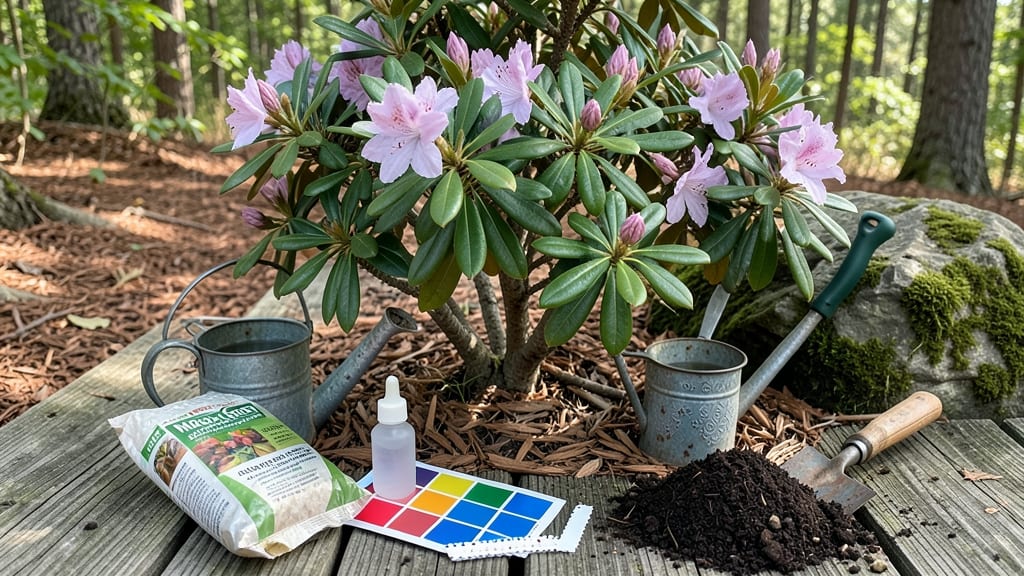
Outdoor azalea tree care starts with understanding their finicky nature—too much sun, wrong soil, or poor timing with pruning, and you’ll end up with sad, sparse blooms. 🌸 I’ve turned my once-struggling azaleas into a showstopper by mastering their seasonal needs, and the secret isn’t complicated: it’s all about the soil, water, and knowing when to prune (hint: never after summer blooms).
These trees thrive in acidic, well-draining soil with morning sun and afternoon shade, and they hate soggy roots—so raised beds or amended soil with peat moss or pine bark is key. Water deeply once a week (more in summer), but avoid wetting the leaves to prevent fungal issues.
Most problems—like yellowing leaves or sparse blooms—stem from one of these three mistakes: overwatering, wrong soil pH, or pruning at the wrong time.
With the right care, your azaleas will reward you with vibrant spring blooms for decades, and the glossy green foliage adds year-round interest. The pruning window is tight—just after flowering but before new growth—so mark your calendar. Once you get the rhythm, these trees practically take care of themselves.
Whether you’re dealing with pests like lace bugs or just want bigger blooms next year, the fixes are simple but require timing. Let’s get your azaleas thriving—no guessing games included.
📚 In This Guide
- What you need
- Instructions
- Tips and common mistakes
- Wrapping up and next steps
What you need
- ● Pruning shears – Bypass-style, sharp, and sterilized (for clean cuts). Quantity: 1 pair.
- ● Garden gloves – Heavy-duty, chemical-resistant (protects from thorns and sap). Quantity: 1 pair.
- ● Loppers – For thicker branches (up to 1.5" diameter). Quantity: 1 pair.
- ○ Pruning saw – Optional but handy for stubborn, larger branches. Quantity: 1.
- ● Disinfectant solution – 70% isopropyl alcohol or 10% bleach solution (sterilizes tools between cuts). Quantity: Small spray bottle.
- ● Mulch – Organic (pine bark, shredded leaves, or compost). Quantity: 2–3 inches, spread in a 2–3 ft. radius around the base.
- ● Slow-release fertilizer – Azalea-specific (10-10-10 or acidic blend, pH 5.0–6.0). Quantity: Follow package instructions.
- ● Watering can or hose – Soaker hose preferred for deep, even watering. Quantity: 1.
- ● pH testing kit – Digital or liquid test strips (to monitor soil acidity). Quantity: 1.
- ● Handheld leaf blower – Clears fallen petals/debris post-pruning.
- ● Tree ties or stretchy fabric – Supports heavy branches after trimming (if needed).
- ● Epsom salt – Magnesium boost for yellowing leaves (1 tbsp per gallon of water, spray foliage).
- ● Bird netting – Protects blooms from pests (if local birds are a nuisance).
- ● Garden kneeler/pad – For comfort during long pruning sessions!
Outdoor azalea tree care: seasonal trimming for year-round beauty
Azaleas reward patience with stunning blooms—but only if you follow their seasonal rhythm. Here’s how to keep yours thriving through every change.
🌿 Step 1: Spring Pruning to Encourage New Growth
Prune immediately after flowering, when buds have faded but new leaves haven’t fully emerged. This timing ensures you don’t cut off next year’s blooms. Use clean, sharp shears to remove dead branches first—they’ll snap easily if truly dead. For live branches, cut just above a leaf bud or outward-facing growth point to encourage outward expansion.
Remove no more than one-third of the plant’s total growth in any season. Azaleas bloom on last year’s wood, so aggressive pruning reduces flowers. Focus on shaping rather than size reduction. You’ll know you’ve pruned correctly when you see fresh, green leaves emerging within 2-3 weeks—this signals the plant is redirecting energy to new growth.
☀️ Step 2: Summer Maintenance for Healthy Foliage
Monitor for pests like lace bugs or spider mites, which thrive in hot, dry conditions. Check the undersides of leaves weekly—tiny yellow stippling or fine webbing means it’s time to intervene. A strong spray of water often dislodges pests, but for serious infestations, use horticultural oil. Apply in early morning or late evening to avoid burning leaves.
Water deeply once weekly during dry spells, ensuring the root zone (about 12 inches deep) receives moisture. Azaleas prefer slightly acidic soil, so if your area has alkaline water, add vinegar or sulfur to maintain pH between 4.5-6.0. Yellowing leaves often signal overwatering or poor drainage—check if the soil stays soggy for more than 24 hours after watering.
✂️ Step 3: Fall Cleanup to Prepare for Winter
Remove all fallen leaves and debris around the base to prevent fungal diseases like root rot. Azaleas are susceptible to winter burn, so apply 2-3 inches of organic mulch (like pine bark) around the root zone. Keep mulch 6 inches away from the trunk to avoid moisture buildup that can rot bark. This layer insulates roots while retaining soil warmth.
Lightly prune any weak or crossing branches in late fall, but avoid heavy cuts. The goal is to reduce wind exposure without stressing the plant. If your azalea is in a windy location, consider wrapping the trunk with burlap for extra protection. By mid-winter, healthy azaleas will show firm, green buds—a sign they’re ready to bloom again next spring.
⏰ Step 4: Winter Care for Next Year’s Blooms
Azaleas need consistent moisture even in winter. Water monthly if natural precipitation is minimal, focusing on the root zone. Avoid overhead watering, which can freeze and damage buds. If your region experiences below 10°F temperatures, cover the plant with frost cloth during extreme cold snaps. Remove it during the day to prevent overheating.
Watch for signs of winter stress: brown, crispy leaf edges or bud drop. These indicate either dry soil or temperature fluctuations. Azaleas handle cold well but struggle with freeze-thaw cycles. If you notice bud damage, prune affected areas in early spring to encourage new growth. By late winter, healthy buds will plump up—this is your cue that spring blooms are on the way.
Tips & tricks for perfect azalea tree maintenance
Seasonal care makes all the difference with azaleas—here's how to avoid common pitfalls and maximize those show-stopping blooms.
Pruning Precision: In Step 1, when pruning after flowering, look for the "thumbprint test"—press gently on branches. Dead branches will snap cleanly, while live ones bend slightly. This visual cue helps you avoid cutting healthy growth while removing only what needs to go. Remember, those 2-3 weeks of fresh leaf emergence after pruning are your confirmation that the plant is happy with your cuts.
Pest Prevention Strategy: For Step 2's pest monitoring, I've found that a simple weekly leaf inspection routine saves hours of damage later. Use a handheld magnifying glass to check undersides—lace bugs often hide in clusters, and their yellow stippling is unmistakable. The key is early intervention: once you see webbing, you're already dealing with a full-blown infestation. Horticultural oil works best when applied in the evening to prevent leaf burn from sunlight.
Mulching Mastery: When applying that 2-3 inches of organic mulch in Step 3, rake the soil surface smooth first. Uneven mulch layers trap moisture against the trunk, creating the perfect conditions for bark rot. I always keep a 6-inch clearance around the trunk—this small detail prevents what would otherwise be a common wintertime disaster. Pine bark mulch works best as it naturally acidifies the soil over time, which azaleas absolutely love.
Winter Stress Signals: In Step 4, those brown crispy leaf edges are your plant's SOS for winter stress. The fix is simple: check soil moisture at the 12-inch depth mark. If it's dry, water immediately—azaleas need that monthly moisture even in winter. For extreme cold below 10°F, I've learned to cover plants with frost cloth by mid-evening when temperatures are forecast to drop, removing it by mid-morning to prevent overheating during the day.
Pro Tips for Azalea Tree Care Outdoor
- Seasonal care makes all the difference with azaleas—here's how to avoid common pitfalls and maximize those show-stopping blooms.
- Pruning Precision: In Step 1, when pruning after flowering, look for the "thumbprint test"—press gently on branches.
- Pest Prevention Strategy: For Step 2's pest monitoring, I've found that a simple weekly leaf inspection routine saves hours of damage later.
Frequently asked questions
Got questions about keeping your azalea tree happy outdoors? You’re not alone!
Here are answers to the most common queries—from pruning to pests—so you can enjoy vibrant blooms year after year.
When is the best time to prune my azalea tree?
Prune your azalea right after flowering (late spring to early summer) to avoid cutting off next year’s blooms. Avoid heavy pruning in fall or winter, as cold stress can harm the plant. Light shaping is fine in late winter if needed, but keep it minimal. Pro tip: Use clean, sharp tools to prevent disease!
How do I protect my azalea tree in winter?
Most azaleas are hardy, but young trees or tender varieties (like Enkianthus) benefit from winter protection. Mulch the base with 2–3 inches of organic mulch (like pine straw) to insulate roots. Water deeply before frost if your area gets dry winters. Avoid wrapping burlap—it can trap moisture and cause rot.
What should I do if my azalea leaves are yellowing or dropping?
Yellowing leaves often signal overwatering, nutrient deficiencies, or pests like lace bugs or spider mites. Check soil moisture—azaleas prefer slightly acidic, well-draining soil. If pests are the issue, spray with neem oil or insecticidal soap. For nutrient issues, amend soil with peat moss or use an acid-loving plant fertilizer.
Can I grow azaleas in full sun?
While azaleas tolerate partial sun, most thrive in morning sun + afternoon shade (especially in hot climates). Full sun can scorch leaves and reduce blooms. If your yard is sunny, plant near a fence or tree for dappled shade. Varieties like ‘Girard’s Pink’ handle sun better than others—check tags!
What’s a good alternative if my azalea isn’t thriving?
If your azalea struggles with your climate or soil, consider these low-maintenance alternatives:
- Rhododendron – Similar care but often more cold-hardy.
- Camellia – Loves shade and blooms in winter/spring.
- Pieris japonica – Evergreen with white spring blooms.
- Hydrangea – Thrives in partial shade and adds volume.
All prefer acidic soil—test yours with a pH kit before switching!
Wrapping up and next steps
Caring for your outdoor azalea tree is a rewarding journey that blooms with beauty when you follow the right seasonal steps! From pruning at the right time to protecting it through winter and feeding it year-round, these tips ensure your azalea thrives with vibrant blooms and lush foliage.
Remember, consistency is key—small efforts now mean stunning results later.
Ready to see your azalea shine? Grab your pruners and start today! Watch as your garden becomes a showstopper with just a little love and attention. 🌸✨