
Pruning
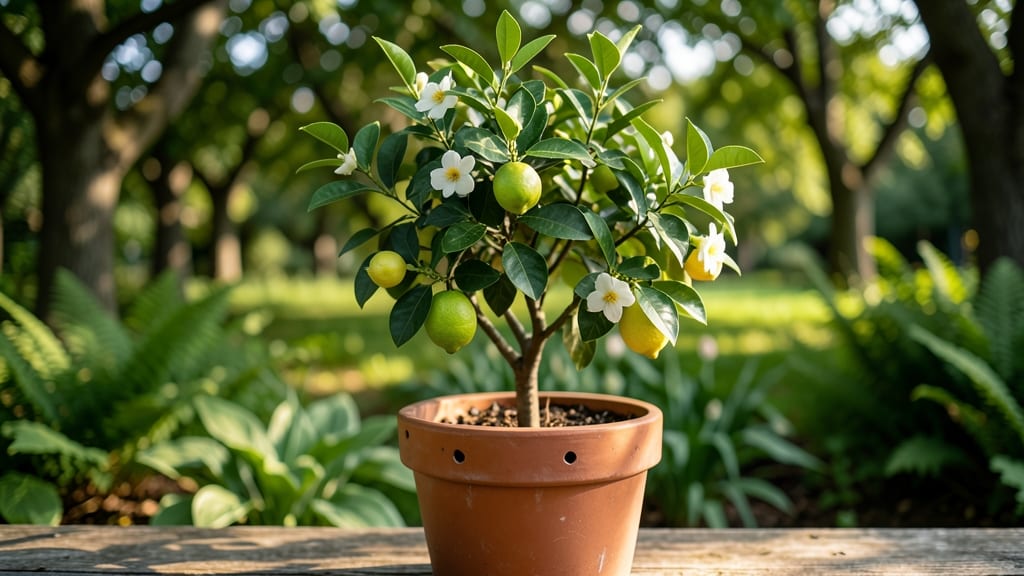
Your patio lemon tree care can yield fruit every year—even in pots. 🌿 The secret lies in matching its Mediterranean roots to your patio conditions, from sunlight to soil.
I’ve grown Meyer lemons in containers for five years, and the key is treating it like an indoor-outdoor plant that adapts without stress.
Start with 6+ hours of daily sun (south-facing is ideal) and a 15-gallon pot for dwarf varieties. Use well-draining potting mix with perlite, and water when the top inch feels dry—overwatering kills more lemon trees than anything else.
Fertilize lightly in spring with citrus-specific food, and bring potted trees indoors before 32°F to protect them from frost.
Pruning isn’t about shaping—it’s about airflow. Trim dead branches in late winter and lightly shape in spring to keep the tree compact. You’ll harvest your first lemons in 12-18 months, and with consistent care, the tree will reward you with dozens of fruit annually.
The scent of blossoms alone makes it worth the effort.
Troubleshooting is simple: yellow leaves mean overwatering, while dropped fruit signals too much nitrogen. Move your tree gradually when transitioning indoors/outdoors to avoid shock. With these basics, your patio lemon tree will thrive year-round—no green thumb required.
📚 In This Guide
- What you need
- Instructions
- Tips and common mistakes
- Wrapping up and next steps
What you need
- ● Patio Lemon Tree: A healthy Citrus limon variety (dwarf or semi-dwarf for patios, 4–6 feet tall at maturity). Choose a potted tree (15–20 gallon container) or a young bare-root plant.
- ● Well-Draining Potting Mix: 5–10 gallons of a citrus-specific blend (or mix 60% peat moss, 20% perlite, and 20% coarse sand). Avoid garden soil—it compacts and suffocates roots! 🚫🌱
- ● Container: A durable, unglazed pot (18–24 inches in diameter) with drainage holes. Terracotta or fabric pots work best for airflow.
- ● Pruning Tools: Bypass pruners (sharp, clean, and sterilized with rubbing alcohol).
- ● Hand pruners (for smaller branches).
- ● Loppers (for thicker branches, if needed).
- ● Fertilizer: A balanced citrus fertilizer (e.g., 6-6-6 or 8-3-9 NPK ratio). Use slow-release granules or liquid fertilizer every 4–6 weeks during growing season (spring–fall).
- ● Mulch: 1–2 inches of organic mulch (e.g., wood chips or straw) to retain moisture and regulate soil temp.
- ● Watering Can or Hose: With a gentle spray nozzle for deep watering (avoid overhead wetting to prevent fungal issues).
- ○ Support Stakes (Optional): 2–3 bamboo or metal stakes (if your tree needs structural support as it grows).
- ● Soil pH Test Kit: To ensure your mix is slightly acidic (pH 6.0–7.0). Adjust with lime or sulfur if needed.
- ● Citrus Food Booster: A micronutrient supplement (like iron or magnesium) to prevent yellowing leaves.
- ● Shade Cloth: 30–50% coverage for hot afternoons (lemon trees tolerate partial shade).
- ● Humidity Tray: A pebble tray with water to boost humidity in dry climates.
- ● Tree Guard or Collar: To protect the trunk from pests or accidental damage.
Step-by-Step instructions for patio lemon tree care
Here's how I keep my patio lemon tree lush and productive with just a few focused steps each season.
🌱 Step 1: Position for Sunlight and Shelter
Place your lemon tree in a spot that gets 6-8 hours of direct sunlight daily. South-facing patios work best, but west-facing spots also deliver strong afternoon light. I always check the tree's position in winter—if shadows appear before noon, move it closer to the sun or supplement with a grow light for 4-6 hours daily.
Protect your tree from harsh winds, especially in coastal areas where salt spray can damage leaves. I use a lightweight frost cloth wrapped around the pot during cold snaps, leaving the top open for sunlight. The goal is to mimic the Mediterranean climate lemons love—warm, sunny, and sheltered.
💧 Step 2: Water Deeply and Consistently
Water your lemon tree when the top 2-3 inches of soil feel dry to touch. I stick my finger in the soil—if it's damp below that depth, wait another day. Overwatering is the #1 killer of potted citrus, so I always check the pot's weight: a dry pot feels noticeably lighter. When watering, soak the soil until it drains freely from the bottom holes, then empty the saucer to prevent root rot.
In summer, I water every 2-3 days, but in winter, I cut back to once a week. The key is consistency—lemon trees hate soggy soil but also can't tolerate drought. If you see yellowing leaves, it's usually a sign of overwatering, while crispy edges mean underwatering. Adjust based on your microclimate.
☀️ Step 3: Feed and Fertilize for Fruit Production
Start fertilizing in early spring with a balanced citrus fertilizer (like 6-6-6 or 8-3-9) every 4-6 weeks until fall. I mix the fertilizer into the top inch of soil and water deeply afterward to prevent root burn. In winter, I stop fertilizing entirely—citrus trees need a rest period to set next year's blossoms.
For extra flavor, I add a handful of Epsom salt (magnesium sulfate) to the soil in late spring. Lemon trees are heavy feeders, so don't skimp—underfed trees produce small, sour fruit. I also use a slow-release fertilizer pellet in summer to avoid overloading the roots with frequent applications.
✂️ Step 4: Prune Strategically for Shape and Health
Prune your lemon tree in late winter or early spring before new growth starts. Remove any dead, diseased, or crossing branches first—these are easy to spot as they're brown, brittle, or growing inward. I use clean, sharp pruners and make cuts just above a leaf node or outward-facing bud to encourage healthy growth.
For shaping, I focus on opening up the center of the tree to improve airflow and sunlight penetration. Lemon trees naturally grow bushy, but I avoid heavy pruning—never remove more than 25% of the foliage at once. After pruning, I apply a thin layer of mulch around the base to retain moisture and protect roots from temperature swings.
🪴 Step 5: Repot and Refresh Soil Annually
Every spring, I check if my lemon tree needs a larger pot. If roots are circling the bottom or growing out of the drainage holes, it's time to upgrade to a pot 2-4 inches wider in diameter. I choose containers with drainage holes and fill the bottom 2 inches with gravel or broken pottery to prevent root rot.
Refresh the soil with a mix of 50% high-quality potting mix and 50% compost or citrus-specific soil. Lemon trees thrive in slightly acidic soil (pH 6.0-7.0), so I test the soil annually and amend with sulfur if needed. After repotting, I water deeply and place the tree in a shaded spot for 3-5 days to reduce transplant shock.
Tips & tricks for perfect patio lemon tree care
These little adjustments will help your lemon tree thrive year-round without the guesswork.
Sunlight Strategy: The 6-8 hours of direct sunlight in Step 1 is non-negotiable for fruit production, but here's the trick: if your patio gets afternoon shade after 3 PM, supplement with a full-spectrum grow light for those critical 4-6 hours. Place it 12-18 inches above the tree to mimic natural light angles. I notice the biggest difference in leaf color and fruit sweetness when I do this consistently.
Watering Wisdom: That "top 2-3 inches dry" test in Step 2 works, but I've found an even better method: water when the pot feels 20% lighter than when it was last watered. This accounts for evaporation and gives you a more consistent schedule. For containers without drainage holes, reduce watering by 30% to prevent root rot—the saucer should never hold standing water for more than 15 minutes after watering.
Fertilizer Timing: The 4-6 week feeding schedule in Step 3 is perfect, but here's what nobody tells you: split your spring applications into three equal doses instead of one big dose every 4-6 weeks. This prevents nutrient burn and keeps the tree producing consistently. I also mix in a spoonful of citrus-specific mycorrhizal fungi with each feeding to boost root health—it's worth the small investment for container-grown trees.
Pruning Precision: When pruning in Step 4, focus on removing branches that grow toward the center of the tree first—they block sunlight from reaching inner leaves. I use a small notepad to sketch my tree's shape before cutting, which helps me visualize the airflow I'm creating. And here's a pro move: after pruning, wipe the cuts with a 1:10 bleach-water solution to prevent fungal infections, then dust with cinnamon powder to seal the wounds naturally.
Pro Tips for Patio Lemon Tree Care
- These little adjustments will help your lemon tree thrive year-round without the guesswork.
- Place it 12-18 inches above the tree to mimic natural light angles.
- Watering Wisdom: That "top 2-3 inches dry" test in Step 2 works, but I've found an even better method: water when the pot feels 20% lighter than when it was last watered.
Frequently asked questions
How often should I prune my patio lemon tree?
Prune your patio lemon tree lightly 2-3 times a year: early spring (to shape and encourage growth), summer (to remove dead or overgrown branches), and late winter (before new growth starts). Avoid heavy pruning in fall—it can stress the tree before dormancy. Focus on removing only what’s necessary to maintain airflow and sunlight.
Can I keep my patio lemon tree indoors during winter?
While lemon trees thrive outdoors in mild winters, they can survive indoors if you mimic their natural environment. Place them near a south-facing window (they need 6-8 hours of sunlight daily) and use a grow light if needed. Keep temperatures between 50–65°F and avoid drafts. Pro tip: If indoors, prune sparingly to reduce stress!
What if my lemon tree’s leaves turn yellow?
Yellow leaves are usually a sign of overwatering, underwatering, or nutrient deficiency. Check the soil—it should be slightly moist but not soggy. Adjust watering based on your climate (typically 1–2 times per week in summer, less in winter). If the yellowing is on older leaves, it might be nitrogen deficiency—try a balanced citrus fertilizer.
Why isn’t my patio lemon tree producing fruit?
Lemon trees need full sun (6+ hours/day), proper pollination, and patience! If indoors, hand-pollinate with a small brush to transfer pollen. Ensure your tree gets enough sunlight (a lack of light is the #1 reason for no fruit). Young trees (3–4 years old) may not bear fruit—be patient! Also, avoid over-fertilizing with nitrogen (it promotes leaves over fruit).
What’s the best container size for a patio lemon tree?
Start with a 5-gallon container for young trees, then upgrade to 15–20 gallons as they grow. Lemon trees have shallow but wide roots, so choose a wide, shallow pot with drainage holes. Pro tip: Repot every 2–3 years or when roots circle the pot—this prevents root bound stress and encourages growth!
How do I deal with pests like aphids or spider mites?
Start with a gentle spray of water to dislodge pests, then use neem oil or insecticidal soap (follow label instructions). For severe infestations, prune and dispose of heavily infected branches. Prevention tip: Keep your tree healthy with proper watering and sunlight—stressed trees attract pests! Check leaves weekly during warm months.
Wrapping up and next steps
Caring for your patio lemon tree is all about consistent love and small, intentional steps—not overwhelming effort! With the right balance of sunlight, water, and minimal pruning, you’ll enjoy a thriving tree that rewards you with fragrant blooms and juicy lemons year-round. 🌿✨
Now that you’re armed with tips, don’t wait—grab those shears and give your tree a little TLC. Start with a quick inspection, then follow the steps to keep it healthy and happy. Your future lemonade (or limoncello!) depends on it! 🍋😉