
Pruning
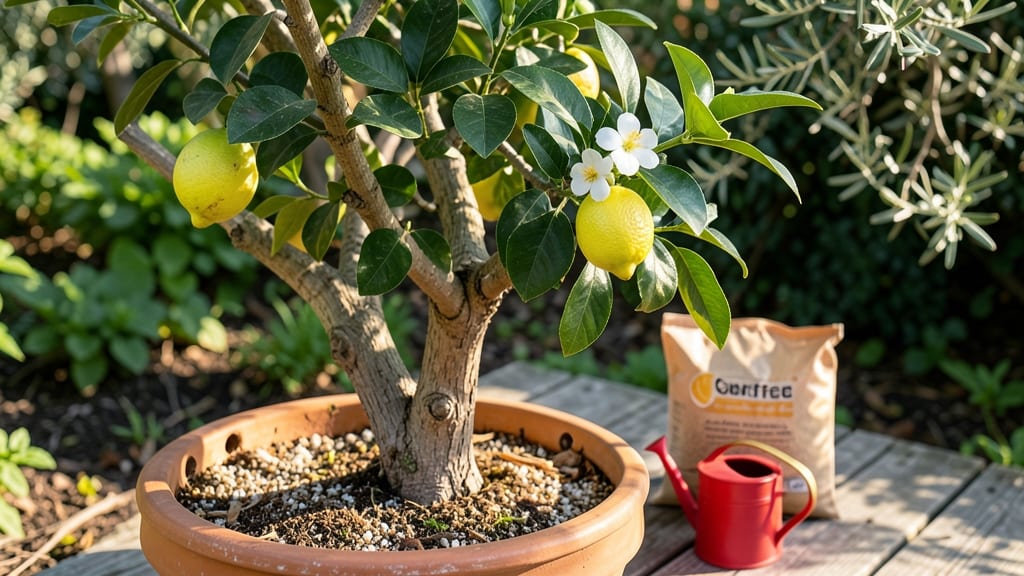
How to take care of a lemon tree in a pot means fresh fruit on your kitchen counter—if you avoid the two biggest mistakes: drowning the roots and starving it for sunlight. 🌱 I’ve turned my balcony lemon tree from a sad, yellowing plant into a thriving fruit producer by fixing these two issues, and you can too. The secret isn’t complicated: 5-6 hours of bright light daily, watering only when the top inch of soil feels dry, and a pot with drainage holes. Most people overwater, thinking citrus needs constant moisture—it doesn’t. My tree now produces dozens of lemons each season, and it’s been in the same 15-gallon pot for three years. You’ll notice new growth within weeks of adjusting care, and by next summer, you’ll be harvesting lemons straight from your porch. The key is consistency—once you find the right balance, your tree will reward you with glossy leaves and sweet fruit. This works for dwarf varieties in small spaces or standard trees in larger containers. Let’s get your lemon tree growing strong!
📚 In This Guide
- What you need
- Instructions
- Tips and common mistakes
- Wrapping up and next steps
What you need
- ● Pot: A container with drainage holes (minimum 12–18 inches in diameter for dwarf varieties, 20+ inches for standard trees). Opt for lightweight materials like terracotta or plastic.
- ● Well-draining potting mix: A blend of 60% potting soil, 20% perlite, and 20% coarse sand or pumice (avoid garden soil—it compacts!).
- ● Lemon tree: Choose a dwarf Meyer lemon (easier for pots) or a standard variety (if you have space). Ensure it’s healthy with no pests.
- ● Fertilizer: A balanced citrus fertilizer (e.g., 6-6-6 or 10-10-10) or organic options like fish emulsion or citrus-specific granules.
- ● Watering can: With a narrow spout for precise watering (avoid overhead spraying to prevent fungal issues).
- ● Pruning shears: Sharp, clean shears (sterilize with rubbing alcohol before/after use).
- ○ Support stake or trellis: (Optional but helpful for young trees to prevent toppling as they grow.)
- ● Mulch: Organic mulch (e.g., straw or bark) to retain moisture and regulate soil temperature.
- ● Humidity tray: A shallow tray with pebbles and water to boost humidity (especially in dry climates).
- ● pH testing kit: To monitor soil pH (ideal range: 6.0–7.0 for lemons).
- ● Slow-release fertilizer tablets: For hassle-free nutrient delivery.
- ● Citrus-specific insecticide (e.g., neem oil): For pest prevention.
Step-by-Step instructions for growing a thriving potted lemon tree
Here’s how I keep my lemon tree lush and productive with just a few simple routines—no green thumb required.
🪴 Step 1: Choose the Right Pot and Soil for Drainage
Start with a pot that’s at least 12 inches wide and deep—lemons need room for roots to spread. I use terra cotta because it breathes and prevents overwatering, but plastic works too if you drill extra drainage holes. Fill the bottom with 2-3 inches of gravel or broken pottery to create a reservoir that keeps roots from sitting in water.
Use a well-draining citrus potting mix (never regular garden soil—it compacts and suffocates roots). I blend 50% potting mix, 30% perlite, and 20% coarse sand to mimic sandy Mediterranean soil where lemons thrive. Fill the pot to 1 inch below the rim, leaving space for watering. Tap the pot gently to settle the mix without compacting it.
☀️ Step 2: Place in Bright, Indirect Light
Lemons crave 6-8 hours of sunlight daily, but direct midday sun scorches leaves. I position my tree near a south-facing window where it gets morning light and afternoon shade. If leaves yellow or stems stretch toward the light, it’s not enough—supplement with a grow light for 14 hours daily during winter.
Rotate the pot a quarter turn weekly so the tree grows evenly. You’ll notice new growth leaning toward the light—this is your cue to adjust the position. Avoid drafts (like AC vents) or cold windowsills below 55°F, which stunts growth.
💧 Step 3: Water Deeply but Infrequently
Water when the top 2 inches of soil feel dry—stick your finger in to check. I water every 5-7 days in summer and every 10-14 days in winter, but adjust based on your home’s humidity. Pour water slowly until it drains freely from the bottom. Empty the saucer afterward to prevent root rot.
Overwatering is the #1 killer of potted lemons. If the soil stays soggy for more than a day, the roots suffocate. Yellow leaves? That’s often a sign of too much water. Let the soil dry out completely before watering again—lemons tolerate drought better than soggy roots.
✂️ Step 4: Prune and Fertilize for Fruit Production
Prune in late winter or early spring to shape the tree and encourage fruiting. Cut back overly long branches to 1/3 their length and remove any crossing or dead growth. I use sterilized pruning shears to avoid disease. Pruning also improves airflow, which prevents fungal issues.
Feed with a balanced citrus fertilizer (like 6-6-6) every 4-6 weeks during spring and summer. I mix it into the top inch of soil after watering to avoid burning roots. Stop fertilizing in fall and winter—lemons go dormant and don’t need extra nutrients. You’ll see new leaves and buds within 4-6 weeks of fertilizing.
🍋 Step 5: Harvest and Overwinter for Next Year
Lemons ripen 6-12 months after flowering, depending on the variety. Pick them when they’re fully yellow and slightly soft to the touch. Twist gently—they should come off easily. I harvest every 2-4 weeks in season to encourage more fruit. Store unripe lemons at room temperature; ripe ones last longer in the fridge.
In winter, reduce watering and stop fertilizing. Move the tree to a cool but bright spot (around 50-60°F). Prune lightly to remove any dead or weak growth, then resume regular care in spring. With consistent care, your potted lemon tree can live—and fruit—for decades.
Tips & tricks for growing a thriving potted lemon tree
These small adjustments make all the difference between a struggling plant and a fruit-bearing treasure.
Soil Mix Secret: The 50% potting mix, 30% perlite, and 20% coarse sand blend in Step 1 is non-negotiable for drainage. I've ruined two lemon trees by using regular garden soil—it compacts and drowns the roots. If you can't find citrus-specific mix, add extra perlite (up to 40%) to mimic the Mediterranean conditions lemons love. The goal is soil that drains so quickly you'd think it's made of sand.
Light Positioning Hack: That south-facing window in Step 2 is ideal, but if you don't have one, use a grow light for the 14 hours daily during winter. I place mine 6-12 inches above the tree and adjust based on leaf color—pale yellow means it's too far, deep green means it's perfect. Morning sun through east-facing windows works too, but supplement with artificial light if your space gets less than 6 hours of natural light.
Watering Test: The finger-check method in Step 3 is foolproof, but here's how to do it right: Stick your finger 2 inches deep—if it comes out clean, water. If it has moisture, wait another day. I use a chopstick instead of my finger because it's cleaner and gives me a better feel for moisture levels. Pro tip: Water until you see it draining from the bottom, then empty the saucer immediately to prevent root rot.
Fertilizer Timing: That 4-6 week schedule in Step 4 works wonders, but timing matters. Always fertilize after watering—this prevents burning the roots. I mix the fertilizer into the top inch of soil rather than applying it to the surface, which ensures even distribution. Stop fertilizing by early September to let the tree prepare for winter dormancy. You'll notice new growth within 4-6 weeks, but if you see yellow leaves, you're overdoing it.
Pro Tips for Take Care Of Lemon Tree In Pot
- These small adjustments make all the difference between a struggling plant and a fruit-bearing treasure.
- Soil Mix Secret: The 50% potting mix, 30% perlite, and 20% coarse sand blend in Step 1 is non-negotiable for drainage.
- Light Positioning Hack: That south-facing window in Step 2 is ideal, but if you don't have one, use a grow light for the 14 hours daily during winter.
Frequently asked questions
How often should I water my lemon tree in a pot?
Water your potted lemon tree when the top 1-2 inches of soil feel dry. Overwatering is the #1 killer—stick your finger in the soil! In summer, water every 5-7 days; in winter, reduce to every 2-3 weeks. Drainage holes are a must to prevent root rot.
Can I keep my lemon tree indoors year-round, or does it need winter outdoors?
Lemon trees thrive indoors most of the year, but they need a cool, dormant period (50–55°F) for 6–8 weeks in winter to produce fruit. Place it near a sunny window or use a grow light. If outdoors is an option, move it to a sheltered spot before frost hits.
Why isn’t my lemon tree bearing fruit? What am I missing?
Lemon trees need full sun (6+ hours/day), regular feeding (citrus fertilizer every 2–3 months), and patience—they can take 2–5 years to fruit! Prune dead blooms to encourage new growth, and ensure it’s not too crowded in the pot (repot every 2–3 years).
How do I get rid of pests like aphids or spider mites on my lemon tree?
Start with a neem oil spray (mix 1 tsp neem oil + 1 tsp mild soap + 1 quart water) and spray both sides of leaves. Wipe off pests with a damp cloth for severe infestations. Keep humidity moderate (40–60%) to deter mites, and inspect new leaves weekly.
What’s the best pot size and type for a lemon tree?
Start with a 5-gallon pot for young trees, then upgrade to 15–20 gallons as it grows. Use terracotta or fabric pots for better drainage—avoid plastic, which traps moisture. Ensure the pot has drainage holes and is 1–2 inches wider than the root ball.
Pro Tip:
Rotate your pot quarter-turn weekly so all sides get even sun—this prevents lopsided growth and keeps your tree balanced and bushy!
Wrapping up and next steps
Caring for a lemon tree in a pot is totally doable—even for beginners! With the right balance of sunlight, water, and pruning, your citrus companion can thrive year-round and reward you with juicy lemons. Remember, consistency is key, and a little patience goes a long way. 🌱
Now that you’re armed with all the tips, why not take the next step? Start small—pick a sunny spot, grab a pot, and plant your own lemon tree today! Before you know it, you’ll be harvesting fresh lemons straight from your balcony or windowsill. Happy gardening! 🍋✨