
Trees
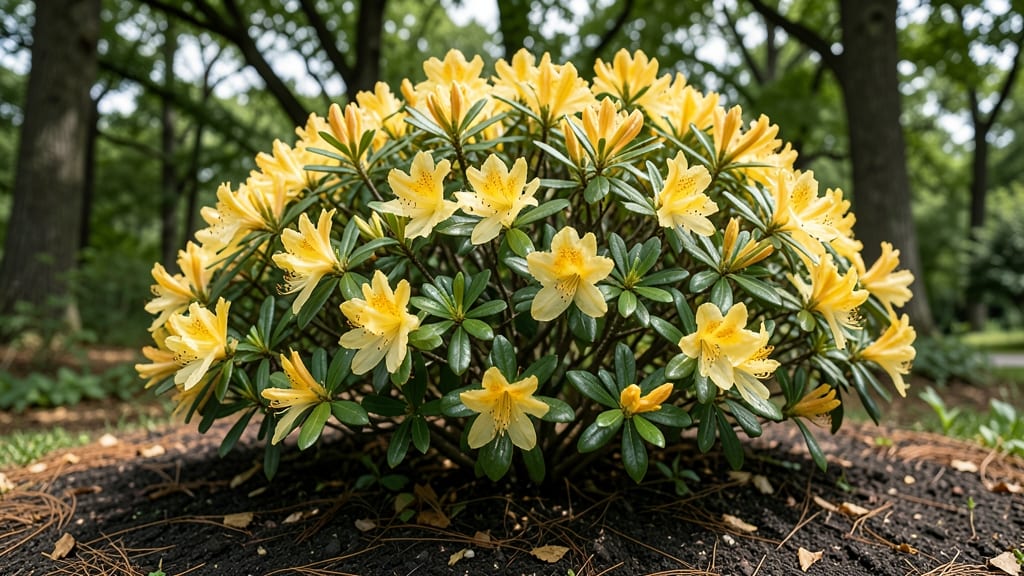
Your azalea tree with yellow leaves isn’t a death sentence—just a cry for help. 🌿 I’ve nursed back azaleas from this exact state using simple fixes, and I’m sharing the copper-free methods that actually work. The first step is figuring out whether it’s overwatering, pests, or something else entirely.
Most yellowing starts with soggy roots or lace bugs, but nutrient deficiencies like nitrogen or iron show up too. Check the soil moisture first—azaleas hate wet feet—and inspect the undersides of leaves for tiny black bugs.
Once you spot the problem, the fixes are straightforward: adjust watering, apply organic treatments, or feed with the right fertilizer.
Within 2-4 weeks of proper care, you’ll see fresh green leaves pushing out from the tips. The blooms will return stronger than ever, and you’ll avoid the copper residue that can harm beneficial insects. This method works for both container and in-ground azaleas.
No need for harsh chemicals here. We’ll use what’s already in your garden shed or local nursery. Let’s get those leaves back to vibrant pink and green in no time.
Understanding Yellow Azalea Leaves
Azaleas are prized for their vibrant blooms and lush foliage, but when their leaves turn yellow, it’s often a cry for help from your plant. 🌿💛 Understanding the root causes—whether environmental, biological, or nutritional—is the first step to restoring your azalea’s health.
Let’s break down the most common reasons behind that unwelcome yellowing and how to identify them.
Azaleas thrive in acidic, nutrient-rich soil, and when key elements are missing, yellowing leaves are a classic symptom. The most common deficiencies include:
- 📊 Iron Chlorosis (Yellowing Between Veins) - Why it happens: Iron is essential for chlorophyll production, and azaleas struggle to absorb it when soil pH rises above 6.0 (they prefer 4.5–5.5).
High pH locks iron out of reach, even if it’s present in the soil. - How to spot it: New leaves turn pale yellow while veins remain green, often starting at the top of the plant. - Actionable fix: - Test your soil’s pH with a home kit or send a sample to a lab. - Lower pH with sulfur or peat moss (follow package rates). - Apply chelated iron (like Ironite or a liquid fertilizer labeled for acid-loving plants) every 4–6 weeks during growing season.
- 💪 Nitrogen Starvation (Overall Pale Yellow) - Why it happens: Nitrogen is the building block of chlorophyll.
If your azalea isn’t getting enough (from organic matter or fertilizer), leaves lose their vibrancy and turn uniformly yellow. - How to spot it: Older leaves yellow first, and growth slows. - Actionable fix: - Feed with a balanced acid-loving plant fertilizer (e.g., 10-10-10 or 12-4-8) in early spring and mid-summer. - Top-dress with compost or well-rotted pine needles to boost organic nitrogen.
- 🍎 Magnesium or Manganese Deficiency (Yellow Edges or Spots)
- Why it happens: These micronutrients support chlorophyll, and azaleas in calcareous or compacted soil may lack them.
- How to spot it: Yellow patches or edges on older leaves, often with brown spots.
- Actionable fix:
- Apply Epsom salt (magnesium sulfate)—dissolve 1 tbsp per gallon of water and spray foliage monthly.
- Use a chelated micronutrient spray (like Sea90 or a garden-specific blend) for manganese.
Azaleas hate soggy roots, and excess moisture leads to root rot or nutrient leaching, both of which trigger yellowing. 💦🚫
- Why it happens:
- Compacted or clay soil traps water, suffocating roots.
- Overzealous watering (especially in winter) prevents oxygen uptake.
- No mulch layer causes soil to dry unevenly, stressing roots.
- How to spot it:
- Yellowing starts at the bottom of the plant (oldest leaves).
- Leaves may feel slimy or mushy when touched.
- Fungal growth (mold) at the soil line.
- Actionable fix:
- Improve drainage by amending soil with perlite, pine bark fines, or sand (coarse, not fine).
- Water deeply but infrequently—only when the top 1–2 inches of soil are dry.
- Mulch properly: Use 3–4 inches of pine bark or wood chips, keeping mulch 6 inches away from the trunk.
- Repot or transplant if roots are visibly rotten (prune black/mushy roots and treat with fungicide like Mycorrhizal Blend).
Not all yellowing is environmental—pests and pathogens can silently drain your azalea’s vitality. Here’s what to watch for:
- 🐜 Lace Bugs or Spider Mites - Why it happens: These sap-sucking pests inject toxins into leaves, causing yellow stippling or webbing.
They thrive in hot, dry conditions. - How to spot it: - Tiny yellow dots on upper leaf surfaces. - Fine webbing on undersides of leaves. - Sticky residue ("honeydew") on leaves below. - Actionable fix: - Blast off pests with a strong hose spray (early morning). - Use neem oil (1 tbsp per gallon of water) or insecticidal soap every 5–7 days for 2 weeks. - Introduce beneficial predators like ladybugs or lacewing larvae.
- 🍄 Fungal Infections (Leaf Spot or Powdery Mildew) - Why it happens: Fungi love humid, shady conditions and poor airflow.
Overhead watering or dense plantings create the perfect breeding ground. - How to spot it: - Yellow rings or spots with dark edges (leaf spot). - White powdery coating on leaves (mildew). - Actionable fix: - Prune for airflow—remove 1/3 of the plant’s oldest branches to open the canopy. - Apply copper-free fungicide (like baking soda spray: 1 tbsp baking soda + 1 tsp oil + 1 gallon water). - Water at the base (never overhead) and avoid mulching too thickly.
- 🐛 Azalea Bark Scale or Root-Knot Nematodes - Why it happens: These pests clog roots or feed on sap, starving the plant.
Scale appears as bumpy growths on branches; nematodes cause stunted, yellowing growth. - How to spot it: - Sticky residue on branches (scale honeydew). - Galling (lumpy roots) when digging. - Actionable fix: - Scrape off scale with a knife and apply horticultural oil. - Solarize soil (cover with clear plastic for 4–6 weeks in summer) to kill nematodes. - Replace infested soil with sterile, acidic potting mix if repotting.
Azaleas are finicky about their surroundings, and even minor shifts can trigger yellowing. 🌡️❄️
- 🔥 Heat or Sunburn - Why it happens: Azaleas prefer partial shade (morning sun + afternoon shade).
Direct afternoon sun scorches leaves, causing yellowing or browning. - Actionable fix: - Move the plant to a shadier spot (e.g., under high branches of a deciduous tree). - Acclimate slowly if relocating—gradually increase shade over 1–2 weeks.
- ❄️ Winter Burn or Cold Stress
- Why it happens: Sudden cold snaps (below 15°F) or dry winter winds desiccate leaves, turning them yellow or crispy.
- Actionable fix:
- Mulch heavily (6+ inches) with pine straw or leaves before winter.
- Wrap the trunk with burlap if winds are harsh.
- Avoid fertilizing in late fall—it encourages tender new growth that can’t survive frost.
- 💨 Wind or Physical Damage
- Why it happens: Strong winds tear leaves or disrupt nutrient flow, causing yellowing in exposed areas.
- Actionable fix:
- Prune to improve structure and reduce wind catch.
- Plant a windbreak (like a hedge or fence) if in an exposed location.
Pro Tip: 💡 Keep a "plant diary" to track when yellowing starts—note watering, weather, and treatments. Patterns (like yellowing after rain or fertilizer) reveal the exact cause faster!
Revitalize Your Azaleas Naturally
Yellowing azalea leaves or blooms can be disheartening, but with the right care, your plant can bounce back to its vibrant best. Below are targeted solutions for common causes—each paired with actionable fixes and prevention tips to keep your azalea thriving.
Signs: Yellow leaves, soggy soil, or roots exposed above the ground. Why it happens: Azaleas hate "wet feet"—excess moisture suffocates roots, leading to yellowing.
How to Fix It: 🔥 Step 1: Check the Soil
- Stick your finger 2 inches into the soil. If it’s damp, hold off on watering.
- Pro tip: Use a moisture meter for accuracy—aim for slightly dry soil between waterings.
🍳 Step 2: Improve Drainage
- Amend heavy or compacted soil with organic matter (peat moss, pine bark, or compost). Azaleas thrive in acidic, well-draining soil (pH 4.5–6.0).
- If planting in containers, ensure pots have drainage holes and use a mix designed for acid-loving plants.
👨🍳 Step 3: Adjust Watering Habits
- Water deeply once a week (or less in rainy climates) rather than frequent shallow doses.
- Water at the base, avoiding leaves to prevent fungal diseases.
🥘 Step 4: Prune Damaged Roots (If Severe)
- Gently loosen compacted soil around roots. Trim any black, mushy roots with sterilized shears.
- Replant with fresh, well-draining soil.
Prevent Future Issues: ✨ Mulch properly: Apply 2–3 inches of organic mulch (pine straw or bark) to retain moisture without suffocating roots. 🌡️ Monitor soil pH: Test annually and amend with sulfur or aluminum sulfate if pH rises above 6.0.
Signs: Yellowing between leaf veins (iron chlorosis) or pale, weak new growth (nitrogen deficiency).
How to Fix It: 🔥 Step 1: Test Soil pH
- Use a home soil test kit or send a sample to a lab. Azaleas need acidic soil (pH 4.5–6.0).
- If pH is too high, add elemental sulfur (follow package rates) to lower it gradually.
🍳 Step 2: Fertilize Correctly
- For iron deficiency: Apply an iron chelate fertilizer (like Ironite) every 4–6 weeks during growing season.
- For nitrogen deficiency: Use a slow-release, acid-forming fertilizer (e.g., 10-10-10 or 12-4-8) in early spring.
- Avoid high-phosphorus fertilizers—they can worsen pH issues.
👨🍳 Step 3: Feed the Soil, Not Just the Plant
- Mix compost or worm castings into the top 6 inches of soil to improve microbial activity.
- Avoid synthetic fertilizers high in lime—they raise pH and lock out nutrients.
Prevent Future Issues: 💡 Mulch annually with pine needles or oak leaves to maintain acidity. 🎯 Water before fertilizing to prevent root burn.
Signs: Yellow spots with dark edges, wilting, or oily sheen on leaves (often from Phytophthora or anthracnose).
How to Fix It: 🔥 Step 1: Prune Infected Areas
- Remove all yellowed or spotted leaves/branches with sterilized pruners (wipe with rubbing alcohol between cuts).
- Dispose of debris in the trash (not compost).
🍳 Step 2: Improve Airflow & Light
- Thin out dense foliage to reduce humidity around the plant.
- Ensure azaleas get morning sun + afternoon shade (they hate scorching).
👨🍳 Step 3: Apply Fungicide (If Needed)
- For Phytophthora: Use a copper-free fungicide like neem oil or hydrogen peroxide spray (3% solution, spray weekly).
- For anthracnose: Try baking soda spray (1 tsp baking soda + 1 quart water + a drop of dish soap).
🥘 Step 4: Adjust Watering Practices
- Water early in the day so leaves dry quickly.
- Avoid overhead sprinklers—use drip irrigation or soaker hoses.
Prevent Future Issues: ✨ Space plants 3–5 feet apart to prevent crowding. 🌡️ Avoid wet mulch—keep it 2–3 inches away from the trunk.
Signs: Yellowing on south- or west-facing leaves, crispy edges, or bleached spots.
How to Fix It: 🔥 Step 1: Provide Shade Gradually
- Move potted azaleas to a shadier spot (e.g., under a tree or lattice with 50% shade cloth).
- For in-ground plants, prune nearby trees to filter harsh afternoon sun.
🍳 Step 2: Protect with Mulch
- Apply a thick layer of mulch (3–4 inches) to insulate roots and retain moisture.
👨🍳 Step 3: Hydrate Deeply
- Water slowly and deeply 2–3 times per week during heatwaves.
- Use morning watering to reduce evaporation.
Prevent Future Issues: 💡 Choose the right location—azaleas prefer dappled shade (like under tall trees). 🎯 Avoid transplant shock—if relocating, do it in early spring or fall.
Final Tip: 🌿 Observe your azalea’s habits—yellowing can be a cry for help, but with these fixes, your plant will reward you with lush green foliage and stunning blooms again! For persistent issues, consult a local arborist or extension service for a soil test.
Frequently asked questions
Why do my azalea leaves turn yellow in patches instead of all at once?
Patchy yellowing usually signals a localized issue like pest damage (lace bugs or spider mites) or fungal leaf spot. Check the undersides of leaves for tiny black bugs or webbing, or look for yellow rings with dark edges. These pests thrive in hot, dry conditions and inject toxins that create yellow stipples. Treat with neem oil or insecticidal soap immediately.
Can I save my azalea if the roots are rotting?
Yes, but act fast! First, prune all black, mushy roots with sterilized shears. Repot in fresh, well-draining acidic soil mix with perlite. Water lightly for 2 weeks to prevent further rot, then gradually resume normal care. If over 50% of roots are damaged, the plant may not recover—consider propagating healthy cuttings instead.
How often should I fertilize azaleas to prevent yellowing?
Feed azaleas twice a year—once in early spring (when new growth starts) and again in mid-summer. Use a balanced, acid-loving fertilizer (like 10-10-10) and apply it to moist soil to prevent root burn. Avoid fertilizing in fall or winter, as it encourages tender growth that can’t survive frost.
Will pruning help my yellow azalea recover?
Pruning healthy, green branches won’t help, but removing yellowed, diseased, or dead growth will. Cut back 1/3 of the oldest branches to improve airflow and redirect energy to new growth. Always use sterilized shears and prune after flowering (late spring/early summer) for best results. This also prevents overcrowding, which worsens fungal issues.
Can soil pH changes alone fix my azalea’s yellow leaves?
Only if the yellowing is caused by iron chlorosis (yellowing between veins). Test your soil—if pH is above 6.0, amend with elemental sulfur or peat moss to lower it to 4.5–5.5. Apply chelated iron every 4–6 weeks during growing season. However, if pests or root rot are present, pH adjustments won’t be enough—you’ll need to address those first.