
Light Requirements
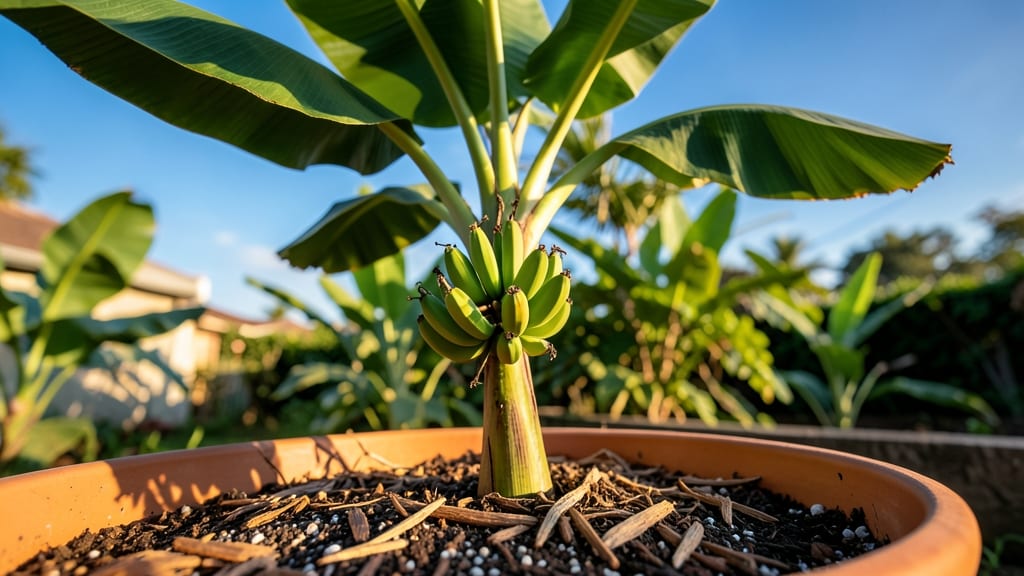
Growing banana trees in full sun feels like cheating—tall, productive plants with minimal fuss. 🌿 The key isn't avoiding sun (they love it) but protecting leaves from scorching while keeping roots happy. My first attempt nearly fried the foliage, but I learned the tricks to balance light, water, and shade.
Banana trees thrive in 6+ hours of direct sun daily, but their broad leaves burn easily. The solution? Dappled shade from nearby trees or strategic afternoon shade cloth. Well-draining soil mixed with compost keeps roots from overheating while supporting rapid growth.
You'll see new fronds unfurl within weeks, and with proper care, expect harvests in 9-12 months. The bananas grow larger and sweeter than store-bought, with minimal pest issues when grown this way. Works in zones 10-11 year-round, and even in cooler climates as a seasonal container plant.
Here's how to set it up without the leaf burn."
📚 In This Guide
- What you need
- Instructions
- Tips and common mistakes
- Wrapping up and next steps
What you need
- ● Banana tree plant: Choose a Musa spp. variety (e.g., Musa acuminata or Musa balbisiana) suited for your climate. Opt for a healthy, potted sapling (3–6 feet tall) from a nursery.
- ● Full-sun planting location: Select a spot receiving 6+ hours of direct sunlight daily, with protection from harsh afternoon sun (e.g., dappled shade or a light shade cloth for younger plants).
- ● Well-draining soil: For in-ground planting: Amend native soil with 3–4 inches of compost and a 5-10-10 fertilizer (1–2 lbs per planting hole).
- ● For containers: Use a mix of 60% potting soil, 20% perlite, and 20% coconut coir to prevent root rot.
- ● Container (if applicable):strong> Minimum 18–24 inches in diameter and 24+ inches deep for mature plants (bigger is better!).
- ● Drainage holes (non-negotiable!) + a saucer or tray to catch excess water.
- ● Mulch: 2–3 inches of organic mulch (e.g., straw or wood chips) to retain moisture and regulate soil temperature.
- ● Watering can or hose: With a gentle spray nozzle for deep watering (avoid overhead spraying to prevent fungal issues).
- ● Balanced fertilizer: 10-10-10 or 12-12-17 (organic options like fish emulsion work too!). Apply every 4–6 weeks during growing season.
- ● Pruning shears: Sharp, sterilized shears for trimming dead leaves or overgrowth.
- ○ Support stake (optional but helpful): A 5–6 foot bamboo or metal stake tied with soft plant ties to support heavy fruit clusters.
- ● 🌡️ Acclimate gradually: If moving a potted banana tree to full sun, introduce it over 7–10 days to avoid sunburn.
- ● ✨ Monitor soil moisture: Banana trees love water but hate soggy roots—check soil moisture 2 inches deep before watering.
- ● 🎯 Wind protection: Use a lightweight windbreak (e.g., burlap or mesh) if your area is breezy.
How to grow a banana tree in full sun without burning its leaves
Here's how I keep my banana trees thriving in hot climates—no leaf burn, no wilting, just steady growth.
🌱 Step 1: Choose the Right Variety for Your Climate
Not all banana trees handle full sun equally. For hot, sunny regions, Dwarf Cavendish or Red Dacca varieties are your best bet—they tolerate heat better than tropical types. Look for nursery plants labeled as "hardy" or "drought-tolerant." I always check the leaf color: healthy banana plants have deep green, waxy leaves with no yellowing or brown edges.
If you're in a Zone 9-11 area, you can grow them year-round. In cooler zones, treat them as annuals or overwinter indoors. The key is starting with a well-established plant (not a seedling)—they mature faster and handle sun better right away.
☀️ Step 2: Acclimate Gradually to Full Sun
Banana trees cannot go from shade to full sun overnight—they’ll scorch in days. Start by placing your new plant in morning sun only for 3-5 days, then gradually move it to afternoon sun over the next week. Watch the leaves: if they develop yellow or brown patches, you’re moving too fast.
Once fully acclimated, position the tree where it gets 6+ hours of direct sun daily, but with partial afternoon shade if temperatures exceed 90°F. A simple trick? Plant it near a tall fence or trellis to filter harsh afternoon rays. Mulch the base with 3-4 inches of organic mulch (like straw or wood chips) to keep roots cool.
💧 Step 3: Water Deeply but Strategically
Banana trees love water—but not soggy roots. Water deeply 2-3 times per week (more in extreme heat) until water drains 6 inches down into the soil. You’ll know it’s right when the top 2 inches feel dry but the lower soil stays moist. Overwatering causes leaf burn from fungal issues, while underwatering causes yellowing edges.
Here’s the trick I use: water at the base only, never the leaves. Wet foliage in full sun = leaf scorch. Use a soaker hose or drip irrigation to deliver water directly to the roots. In peak summer, I water early morning or late evening to reduce evaporation.
✂️ Step 4: Prune and Protect for Long-Term Health
Remove dry or yellowing leaves immediately—they drain energy from the plant. Cut back dead pseudostems (the "trunk") to the ground after harvest to encourage new growth. But never prune more than 30% of the foliage at once, or the tree will struggle to photosynthesize enough.
In full sun, banana trees need extra protection from wind and heat stress. Stake young plants if they lean, and consider lightweight shade cloth (30%) during the hottest months. I’ve seen trees with burnt leaf tips after just a week without shade—don’t skip this step!
🌿 Step 5: Fertilize for Sun-Resistant Growth
Banana trees in full sun hunger for nutrients faster than shaded ones. Use a balanced fertilizer (10-10-10) every 6-8 weeks during growing season, but reduce nitrogen in summer—too much causes soft, sun-sensitive leaves. I mix in 1 cup of banana peels (chopped) per feeding for extra potassium, which helps with heat tolerance.
Watch for purple undersides on leaves—that’s a sign of phosphorus deficiency, common in hot climates. Switch to a high-phosphorus fertilizer (5-10-10) for a month to boost root and flower development. Always water 24 hours before and after fertilizing to prevent root burn.
Tips & tricks for perfect banana tree growth in full sun
These simple strategies will help you grow a thriving banana tree that handles full sun without a single burnt leaf.
Variety Matters: When selecting your banana tree, look for labels that mention "heat tolerance" or "sun-resistant." I've found that Dwarf Cavendish and Red Dacca varieties handle full sun best because their leaves have a natural waxy coating that reflects sunlight. Avoid tropical varieties—they're more prone to leaf burn in intense sun. Check the leaf color before purchasing: healthy banana plants should have deep green, slightly waxy leaves with no yellowing or brown edges.
Acclimation is Non-Negotiable: The gradual transition from shade to full sun in Step 2 is absolutely critical. I've seen banana trees develop severe leaf burn after just 2 days in full sun without proper acclimation. Start with morning sun only for 3-5 days, then slowly introduce afternoon sun over the next week. Watch for yellow or brown patches—these are your warning signs to slow down. Pro tip: If you're moving an established tree, do it over 3-4 weeks rather than the initial 1-week schedule.
Watering Wisdom: The deep watering technique in Step 3 is where most gardeners go wrong. Instead of giving your banana tree a quick drink, aim for water that penetrates at least 6 inches deep. You'll know it's right when the top 2 inches of soil feel dry but the lower soil stays moist. I use a soil probe to check depth—it's the only way to be sure. And remember: water at the base only. Wet leaves in full sun will scorch within hours, even if your tree is properly acclimated. Early morning or late evening watering is best in peak summer.
Fertilizer Timing: The 6-8 week fertilization schedule in Step 5 works perfectly, but there's one crucial detail I've learned: always water 24 hours before and after fertilizing. I've seen banana trees develop root burn after fertilizing when the soil was dry—a common mistake that can kill your tree. In summer, reduce nitrogen to prevent soft, sun-sensitive leaves. Instead, focus on phosphorus (5-10-10 fertilizer) to help roots develop deeper, which improves heat tolerance.
Pro Tips for Banana Tree Full Sun
- These simple strategies will help you grow a thriving banana tree that handles full sun without a single burnt leaf.
- Variety Matters: When selecting your banana tree, look for labels that mention "heat tolerance" or "sun-resistant."
- Acclimation is Non-Negotiable: The gradual transition from shade to full sun in Step 2 is absolutely critical.
Frequently asked questions
Got questions about growing banana trees in full sun? You’re not alone! Here are some of the most common concerns—and their solutions—to help you cultivate a thriving tropical beauty without the stress.
Can banana trees survive in full sun all day?
Yes, but with care! While banana trees love full sun (6+ hours daily), they thrive best in partial shade in hot climates (like afternoon shade) to prevent leaf burn. In cooler zones, full sun is perfect—just ensure well-draining soil and consistent watering to avoid stress.
How do I prevent leaf burn on my banana tree in full sun?
Leaf burn happens when sun exposure outpaces hydration. To avoid it:
- Water deeply 2–3 times weekly (more in extreme heat).
- Mulch with organic matter (like straw) to retain moisture.
- Gradually acclimate young trees to full sun over 2–3 weeks.
- Use a light shade cloth (30–50%) if leaves yellow or crisp.
What’s the best soil mix for a banana tree in full sun?
Banana trees crave rich, well-draining soil with a slightly acidic to neutral pH (6.0–7.5). Mix equal parts of:
- Topsoil
- Compost
- Perlite or coarse sand
Will my banana tree produce fruit in full sun?
Full sun boosts flowering and fruiting—just ensure the tree is mature (2+ years old) and healthy. For best results:
- Fertilize with potassium-rich food (like banana peel tea) when buds form.
- Hand-pollinate flowers with a soft brush if bees are scarce.
- Protect fruit from wind/sun with lightweight netting if needed.
What if my banana tree’s leaves turn brown or crispy?
Brown, crispy leaves usually signal sunburn, underwatering, or salt buildup (from tap water). Try this:
- Move the tree to morning sun only or add shade.
- Water at the base (not leaves) and use rainwater or filtered water.
- Trim damaged leaves to encourage new growth.
- Check for pests (like spider mites) on the undersides of leaves.
Still stumped? Drop your specific issue below—we’re happy to help troubleshoot your sun-loving banana tree!
Wrapping up and next steps
Growing a banana tree in full sun isn’t just possible—it’s rewarding! 🌞 With the right soil, watering routine, and a little shade protection during peak heat, you’ll enjoy lush foliage and bountiful harvests. Remember, patience is key: these tropical giants thrive with time and care.
Ready to take the next step? Start with one plant and experiment with your local climate. Track your progress, adjust as needed, and soon, you’ll be sharing fresh bananas with neighbors—or even selling them! 🍌✨