
Pruning
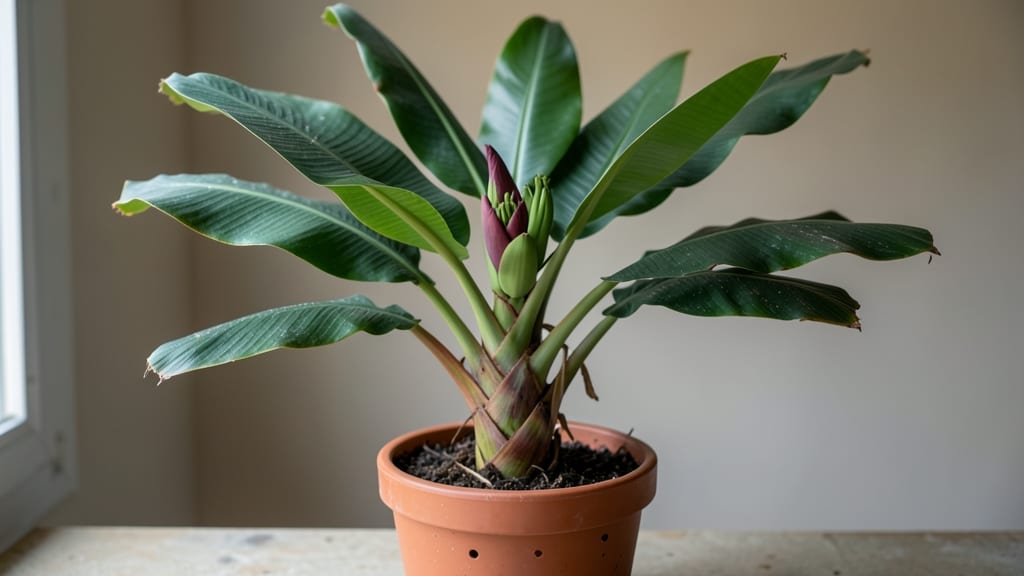
Growing a banana tree inside brings tropical vibes to your home, even in winter. 🌿 I’ve nurtured mine through three winters, and the secret isn’t just warmth—it’s mastering the balance of light, humidity, and space.
Most people overwater or underlight, but with the right approach, your indoor banana tree can thrive year-round.
You’ll need a 10-15 gallon pot with drainage, a well-draining soil mix, and a spot near a south-facing window or under grow lights for 12+ hours of light daily. Humidity is key—mist leaves regularly or use a pebble tray to mimic its natural tropical home.
Overwatering is the #1 killer, so let the top 2 inches of soil dry between waterings.
With proper care, your banana tree will grow 6-10 feet tall indoors, producing edible (though smaller) fruit and lush, broad leaves. The real magic? Watching it push out new growth even in the dead of winter.
Prune leggy stems in early spring to encourage bushier growth, and fertilize lightly every 4-6 weeks during active growth.
Troubleshooting common issues like yellow leaves (overwatering) or brown tips (low humidity) is simple once you know the signs. Even in small spaces, this tropical giant becomes a stunning centerpiece—just don’t expect fruit the first year. Let’s get yours growing!
📚 In This Guide
- What you need
- Instructions
- Tips and common mistakes
- Wrapping up and next steps
What you need
- ● Banana plant: A healthy Musa variety (e.g., Musa acuminata or Musa balbisiana)—check local nurseries or online plant sellers for dwarf varieties (3–6 ft tall) ideal for indoors. (Pro tip: 💡 Look for plants labeled "cavendish" or "red banana" for easier indoor care!)
- ● Large container: A pot with drainage holes (18–24" diameter for mature plants; 12" for seedlings). Use fabric grow bags or glazed ceramic to prevent root rot.
- ● High-quality potting mix: A blend of 60% peat moss or coconut coir, 30% perlite/pumice, and 10% compost. Avoid garden soil—it’s too dense!
- ● Support structure: Sturdy bamboo stakes (3–4 ft tall) or a trellis system to train the pseudostem as it grows.
- ● Soft plant ties (10–15 ft of jute twine or velcro plant straps) to secure the plant without damaging it.
- ● Fertilizer: Balanced liquid fertilizer (e.g., 10-10-10 or 20-20-20) for active growth.
- ● Slow-release granules (e.g., osmocote) for steady nutrition.
- ● Citric acid or Epsom salt (1 tbsp/month) to prevent magnesium deficiency (yellow leaves!).
- ● Pruning shears (sterilized with rubbing alcohol) for trimming dead fronds or overgrowth.
- ● Gloves (heavy-duty gardening gloves)—banana sap can irritate skin!
- ● pH meter or test kit to monitor soil pH (ideal range: 5.5–7.0).
- ● Spray bottle (16 oz) for misty humidity boosts.
- ● Thermometer/hygrometer to track temperature (65–85°F) and humidity (60–80%).
- ● Grow lights: LED full-spectrum bulbs (12–16 hours/day) if natural light is <10 ft away.
- ● Self-watering system: A wicking bed or drip irrigation to maintain moisture.
- ● Humidifier or pebble tray for extra humidity in dry climates.
- ● Mulch: Pine bark or coconut fiber to retain moisture.
- ● Pruning paste to seal cuts and prevent disease.
Step-by-step instructions for growing a banana tree indoors
Here's how to turn your living room into a tropical paradise with a thriving banana tree.
🪴 Step 1: Choose the Right Container and Soil
Start with a 5-gallon container or larger—banana trees need room to grow. Make sure it has drainage holes to prevent root rot, which is the #1 killer of indoor banana trees. I like to use a mix of 50% potting soil, 30% perlite, and 20% coconut coir for drainage and aeration. This lightweight mix mimics the banana tree's natural, well-draining tropical soil.
Fill the container about 1/3 full with your soil mix, then tap the pot gently to settle it. The goal is firm but not compacted soil—you want roots to spread easily without struggling. Leave about 2 inches of space at the top for watering.
☀️ Step 2: Position for Maximum Light
Banana trees need bright, indirect light—think of it like a sunbathing spot near a window but not in direct midday sun. A south- or west-facing window is ideal. If your light is too dim, you'll see slow growth and pale leaves. I keep my banana tree within 3 feet of a window—close enough for plenty of light but not scorching.
If you notice the leaves turning yellow or the plant stretching toward the light (called "etiolation"), it's time to move it closer. A grow light can help in low-light situations, but natural light is best. Rotate the pot a quarter turn weekly to encourage even growth all around.
💧 Step 3: Water Deeply and Consistently
Water your banana tree when the top 2 inches of soil feel dry to the touch. This usually means watering every 5-7 days, but adjust based on your home’s humidity and temperature. Banana trees love moisture but hate soggy roots, so always use a pot with drainage and empty the saucer after watering.
I like to water deeply until it drains from the bottom, then wait until the soil dries slightly before watering again. Overwatering causes root rot, while underwatering leads to crispy, brown leaves. If the leaves start drooping, it’s usually a sign of thirst—give it a good drink and watch it perk up within hours.
🌱 Step 4: Fertilize for Lush Growth
Feed your banana tree with a balanced liquid fertilizer (10-10-10) every 4-6 weeks during the growing season (spring and summer). In fall and winter, cut back to once every 8-12 weeks—the plant grows slower in cooler months. I mix the fertilizer with water and apply it to the soil, avoiding the leaves to prevent burns.
You’ll notice new leaves emerging faster and the plant looking fuller after fertilizing. If the leaves turn yellow or brown at the tips, it might mean too much fertilizer—rinse the soil lightly with water to flush out excess salts.
✂️ Step 5: Prune and Maintain Year-Round
Remove any yellow or damaged leaves as soon as you spot them—this keeps the plant healthy and encourages new growth. If your banana tree gets too tall for its space, you can prune the top growth, but avoid cutting more than 1/3 of the plant at once. I usually prune in late winter to shape the tree before the growing season kicks in.
Dust the leaves occasionally with a damp cloth to keep them clean and help the plant absorb light better. Banana trees are heavy feeders, so don’t skimp on care—they’ll reward you with lush, tropical foliage and maybe even a flower stalk (though fruiting indoors is rare).
Tips & tricks for perfect indoor banana tree growth
Real talk: Growing a banana tree indoors isn't just about following steps—it's about creating the right environment. Here's what nobody tells you about keeping yours thriving.
Container Size Matters: That 5-gallon container isn't just a suggestion—it's a minimum. Banana trees grow surprisingly fast indoors, and their roots need room to spread. If you see roots circling the bottom of the pot or growing out of drainage holes within a year, it's time to upgrade to at least a 7-gallon container. I've seen mine double in size in just 6 months! The key is giving roots room to grow downward first before they get crowded.
Light Is Everything: The "3 feet from window" guideline is your baseline, but here's the secret: banana trees actually prefer the brightest light you can safely offer without scorching. If your south-facing window gets intense afternoon sun, move it back 4 feet during peak hours (11am-3pm). For north-facing windows, supplement with a 12-inch grow light for 6 hours daily—your plant will thank you with deeper green leaves and faster growth.
Watering Wisdom: That "top 2 inches dry" rule works, but here's how to read your plant better: Press your finger 1 inch deep into the soil—if it feels dry, water thoroughly. The real test is the leaves: drooping in the morning means overnight thirst, while crispy edges mean you've been underwatering. Pro move: Use a moisture meter for accuracy, especially in winter when heating systems dry out the air. And always empty that saucer—soggy roots are the silent killer of indoor banana trees.
Fertilizing Finesse: The 4-6 week spring/summer schedule is perfect, but here's the trick: dilute your 10-10-10 fertilizer to half-strength for the first feeding after repotting. New roots are sensitive, and too much fertilizer can burn them. Also, watch for salt buildup—if white crust appears on the soil surface, flush it with plain water. I've learned this the hard way after seeing my plant's leaves turn brown at the tips from fertilizer burn.
Pro Tips for Banana Tree Inside
- Real talk: Growing a banana tree indoors isn't just about following steps—it's about creating the right environment.
- Container Size Matters: That 5-gallon container isn't just a suggestion—it's a minimum.
- Light Is Everything: The "3 feet from window" guideline is your baseline, but here's the secret: banana trees actually prefer the brightest light you can safely offer without scorching.
Frequently asked questions
Got questions about growing a banana tree indoors? We’ve got answers! Here are some of the most common concerns—plus practical tips to keep your leafy giant thriving year-round.
Can a banana tree really grow indoors?
While they’re tropical giants, Musa varieties like the Dwarf Cavendish or Lady Finger thrive indoors with the right care—bright light, humidity, and space. Expect slower growth (1–2 feet/year) compared to outdoor trees, but they’ll reward you with lush foliage and even fruit with patience!
How much space does an indoor banana tree need?
A mature banana tree can reach 8–10 feet tall indoors, so plan for a spacious room (like a sunroom or conservatory) or a large pot (15+ gallons) with a sturdy stand. If ceiling height is limited, prune regularly to manage size—just avoid cutting the pseudo-stem (the “trunk” is actually leaf sheaths!).
How long does it take for an indoor banana tree to fruit?
Indoor banana trees can fruit, but it’s rare and takes 3–5 years (or longer) with ideal conditions. Focus first on establishing a healthy plant with large, dark green leaves and a thick pseudo-stem. If you’re patient and provide 12+ hours of light daily (supplement with grow lights if needed), you might see blooms!
Why are my banana tree’s leaves turning yellow or brown?
Yellowing leaves often signal overwatering (check soil moisture—it should dry 2–3 inches deep between waterings), while brown tips usually mean low humidity (<60%). Boost humidity with a pebble tray or humidifier, and avoid cold drafts. Pests like spider mites can also cause browning—inspect leaves regularly and wipe with soapy water if needed.
What’s the best alternative if my space is too small?
If a banana tree feels too ambitious, try these low-maintenance tropicals that mimic its vibe:
All are easier to manage in tight spaces!
Wrapping up and next steps
Growing a banana tree indoors isn’t just a dream—it’s a rewarding challenge that brings tropical vibes and fresh fruit right into your home! 🌿 With the right light, pruning techniques, and care, you can nurture a thriving indoor canopy year-round.
Remember, patience and consistency are key, so keep an eye on your tree’s needs and adjust as it grows.
Ready to take the next step? Start by monitoring your tree’s growth and experimenting with pruning to encourage fuller foliage. Share your progress or ask questions—every indoor gardener’s journey is unique, and yours could inspire others! 🌱