
Pruning
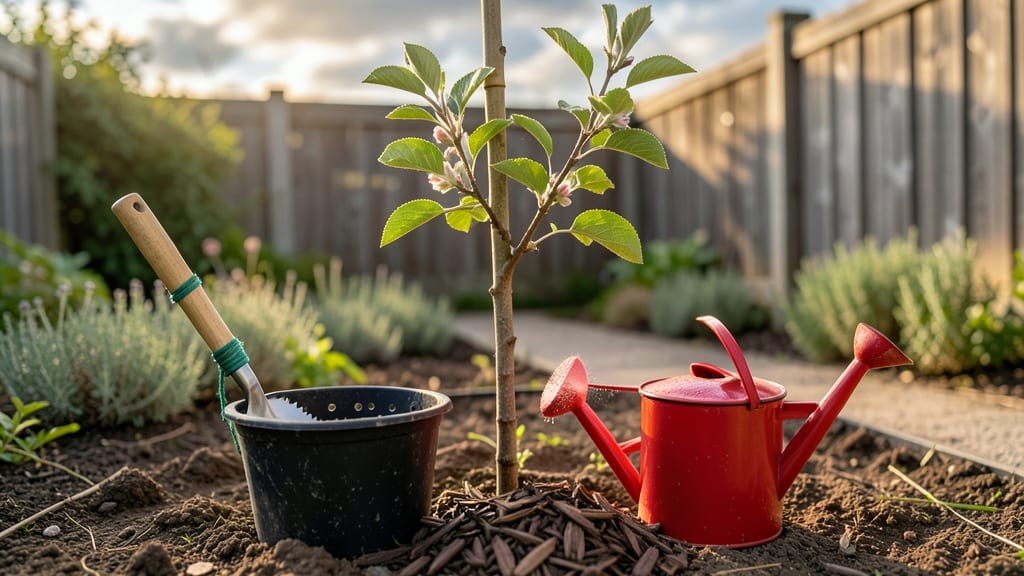
Caring for apple tree seedlings transforms a fragile sapling into a sturdy future fruit producer—if you nail the first year. 🌱 The secret isn't complicated: consistent water, proper pruning, and protecting young bark from hungry critters.
I've watched my own seedlings go from spindly sticks to 6-foot trees in just two seasons by following these exact steps.
Start with well-draining soil mixed with compost—think rich, crumbly loam—not heavy clay that smothers roots. Plant seedlings at the same depth they grew in their nursery pots, with the graft union (that bump near the base) just above soil level.
Water deeply twice a week in summer, letting the top 2 inches dry between sessions, and keep them in full sun (at least 6 hours daily).
Pruning young trees feels scary, but it's all about opening up the center. Cut back any crossing branches or those growing straight inward—aim for an open vase shape. This lets sunlight reach the core and prevents disease. By winter, you'll see stronger branches ready for next year's growth.
Pests and diseases target weak seedlings, so monitor for aphids, borers, and fungal spots. A 1-inch layer of mulch keeps roots cool and blocks weeds. With these basics, your saplings will grow 2-3 feet per year and start setting fruit in 4-5 years. Let's get those roots growing strong!
📚 In This Guide
- What you need
- Instructions
- Tips and common mistakes
- Wrapping up and next steps
What you need
- ● Apple tree seedling: 1 healthy, disease-free seedling (1–3 feet tall, ideally with a sturdy root system).
- ● Well-draining soil: A mix of topsoil, compost (20–30%), and perlite/sand (10–20%) for aeration. Avoid heavy clay.
- ● Garden space: Full sun (6+ hours/day).
- ● Spacious area (10–12 feet apart for mature trees).
- ● Watering supplies: Watering can or hose with a gentle spray nozzle.
- ○ Drip irrigation kit (optional but helpful for consistent moisture).
- ● Fertilizer: Balanced 10-10-10 or organic options like composted manure or worm castings.
- ● Slow-release granular fertilizer (follow package rates).
- ● Mulch: 2–3 inches of organic mulch (wood chips, straw, or shredded leaves) to retain moisture.
- ● Support stakes: 1–2 bamboo or wooden stakes (5–6 feet tall) + soft tree ties.
- ● Pruning tools: Sharp bypass pruners (for small branches).
- ● Loppers (for thicker growth, if needed).
- ● Disinfectant (rubbing alcohol or bleach solution) to sterilize tools between cuts.
- ● Soil pH tester (ideal range: 6.0–7.0; amend with lime or sulfur if needed).
- ● Tree guards or protective netting (to deter pests like deer or rabbits).
- ● Epsom salt (for magnesium boost, especially in yellowing leaves).
- ● Mycorrhizal fungi (inoculant powder to enhance root growth).
- ● Seasonal care calendar (to track watering, pruning, and fertilizing schedules).
Season-long apple tree seedling care: step-by-step growth guide
Here's how I've nurtured dozens of apple tree saplings—these steps keep them strong from first planting through winter dormancy.
🌱 Step 1: Plant in Well-Draining Soil at the Right Depth
Dig a hole twice as wide as the seedling's root ball but only as deep as the container it came in. Apple tree roots are shallow but need room to spread—packing them too tight stunts growth. I always loosen the soil at the bottom of the hole with a fork to prevent compaction.
Place the seedling so the top of the root ball sits just below soil level—never bury the graft union if it's a grafted variety. This ensures the tree grows straight and prevents rot. Water deeply right after planting to settle the soil around roots, then add 2-3 inches of mulch to retain moisture and protect from temperature swings.
☀️ Step 2: Provide Full Sun and Consistent Watering
Apple trees need 6-8 hours of direct sun daily—no compromise here. I plant mine where they get morning sun and afternoon shade in hot climates to prevent leaf scorch. You'll see new leaves emerge within 2-3 weeks if conditions are right.
Water deeply once a week during the first growing season, soaking the soil to 12 inches down. Let the top 2 inches dry between waterings—this prevents shallow root systems. Overwatering now causes root rot, which kills seedlings faster than drought. A moisture meter helps if you're unsure.
🌿 Step 3: Prune for Strong Structure Starting Year One
Remove any crossing branches or those growing inward when the seedling is 3-4 feet tall. I use clean, sharp pruners to make cuts at a 45-degree angle just above an outward-facing bud. This encourages an open canopy that lets sunlight reach all fruit later.
Don't remove more than 25% of the foliage in one session—you're shaping, not harvesting. Prune on a dry day when the tree isn't stressed. You'll notice new growth at the pruning cuts within 2-3 weeks, signaling the tree is healing well.
⏰ Step 4: Prepare for Winter Dormancy by Late Fall
Stop fertilizing 6-8 weeks before first frost—new growth won't harden off in time. Instead, add a 2-inch layer of mulch around the base (but not touching the trunk) to insulate roots. I use straw or shredded leaves because they break down slowly.
Young apple trees need winter protection if temperatures drop below 10°F. Wrap the trunk with tree wrap or burlap to prevent sunscald when winter sun hits bare bark. You'll know protection is working if the tree stays dormant through winter with no new growth or leaf drop.
🪴 Step 5: Monitor for Pests and Diseases Year-Round
Inspect leaves weekly for aphids, mites, or signs of fungal diseases like powdery mildew. I spray neem oil preventatively in spring and after heavy rains—it's organic and safe for young trees. Remove any infected leaves immediately to stop spread.
Apple trees are prone to fire blight, which causes blackened branches. If you see oozing cankers or wilting leaves, prune 6 inches below the infected area and sterilize your tools with rubbing alcohol. Healthy seedlings show glossy, vibrant leaves and steady growth—never stagnation or yellowing.
Tips & tricks for perfect apple tree seedling care
These little details make all the difference between a struggling sapling and a thriving young tree.
Soil Prep Secret: Before planting, mix compost into the bottom of your hole—this gives roots an instant nutrient boost. I use a 50/50 mix of native soil and compost, which helps prevent transplant shock. The loose, airy texture also prevents compaction that stunts growth. Don't skip this step, especially in clay-heavy soils.
Sunlight Strategy: The 6-8 hours of direct sun requirement is non-negotiable, but placement matters. In hot climates, I position seedlings to get morning sun and afternoon shade—this prevents leaf scorch while still giving them the light they need. Watch for yellowing leaves as an early sign of insufficient light, especially in cloudy spring months.
Pruning Precision: When your seedling reaches 3-4 feet, focus on removing branches that grow inward or cross each other. These compete for sunlight and nutrients, weakening the tree. I always make cuts at a 45-degree angle just above an outward-facing bud—this creates the perfect spot for new growth to emerge. The 2-3 week recovery period is normal, so don't panic if you see temporary wilting.
Winter Protection: The 10°F threshold is crucial for winter care. If you're in a colder climate, consider adding extra insulation around the base with straw bales or thick mulch. I've seen young trees survive winters just fine with proper protection, but I've also watched unprotected ones suffer from sunscald when winter sun hits bare bark. A simple tree wrap goes a long way.
Pro Tips for Apple Tree Seedling Care
- These little details make all the difference between a struggling sapling and a thriving young tree.
- Soil Prep Secret: Before planting, mix compost into the bottom of your hole—this gives roots an instant nutrient boost.
- Sunlight Strategy: The 6-8 hours of direct sun requirement is non-negotiable, but placement matters.
Frequently asked questions
Got questions about nurturing your apple tree seedling? You’re not alone! Here are some of the most common concerns—and their straightforward solutions—to keep your young sapling on the path to fruiting success.
How long does it take for an apple tree seedling to bear fruit?
Patience is key! Most apple tree seedlings grown from seeds (not grafts) can take 5–10 years to produce fruit—if they do at all. For faster results, opt for grafted seedlings (2–4 years) or named varieties. Seedlings may also yield unpredictable apples, so consider grafting later if you want consistent flavors.
When is the best time to plant an apple tree seedling?
The ideal window is late fall or early spring, when the soil is workable but not frozen. Fall planting (4–6 weeks before frost) lets roots establish before winter, while spring planting (after last frost) avoids dormancy stress. Avoid planting in summer heat, which can shock tender roots.
How often should I water my apple tree seedling?
Keep soil consistently moist but not soggy—especially in the first year. Water 2–3 times per week (more in extreme heat or drought), aiming for 1–2 inches of water per week. Use a drip irrigation system or soaker hose to deliver water directly to the roots and reduce evaporation.
What should I do if my seedling’s leaves are yellowing or curling?
Yellowing leaves often signal overwatering, nutrient deficiency, or pests. Check for:
- Root rot: Ensure drainage and avoid waterlogging.
- Nitrogen deficiency: Apply a balanced fertilizer (10-10-10) in early spring.
- Pests: Inspect for aphids, mites, or scale insects—treat with neem oil or insecticidal soap if needed.
Can I grow an apple tree from a store-bought apple seed?
Yes, but expect unpredictable results! Seed-grown trees may not match the parent fruit’s taste, size, or disease resistance. For better outcomes, graft your seedling onto a rootstock of a known variety later. If you’re experimenting, plant multiple seeds—some may thrive while others fail.
Wrapping up and next steps
Caring for an apple tree seedling is a rewarding journey that blends patience, knowledge, and a little green thumb love! 🌱 By mastering pruning techniques, providing the right nutrients and soil conditions, and staying vigilant against pests, you’re setting the stage for a thriving tree that will bear fruit for years to come.
Remember, every expert gardener started with a single seedling—so don’t hesitate to roll up your sleeves and dive in!
Ready to take the next step? Start small: pick one hack from this guide—whether it’s pruning for shape, mulching for moisture, or monitoring for pests—and watch your seedling transform. Happy growing! 🍏✨