
Pruning
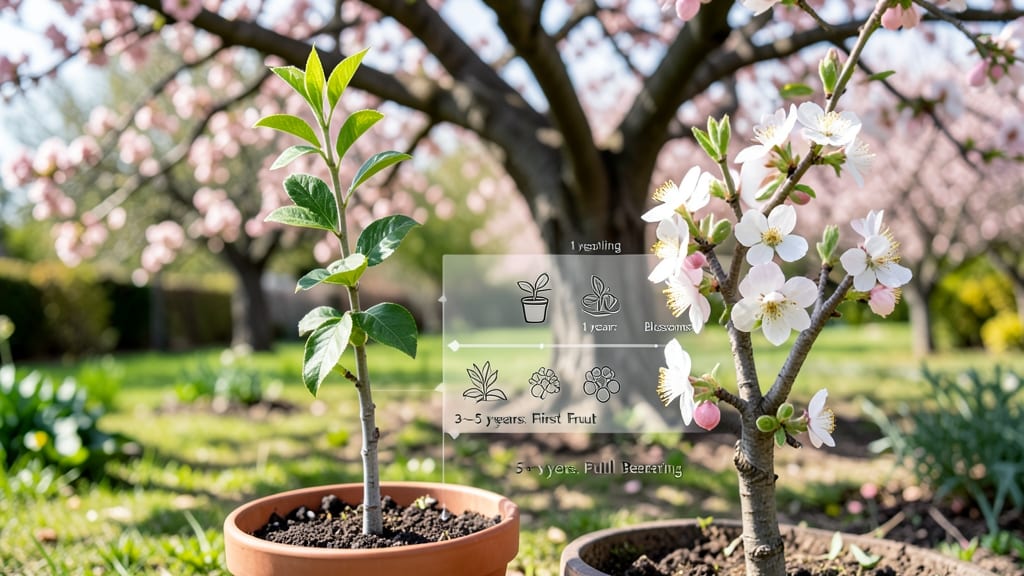
Peach trees typically bear fruit within 2 to 5 years after planting, depending on the variety, growing conditions, and care. Dwarf varieties may fruit in as little as 2 years, while standard trees can take up to 5 years for consistent harvests.
Knowing when your peach tree will produce fruit depends on more than just years—it's about the right conditions meeting the right genetics. 🌱 For example, dwarf varieties like 'Bonanza' often reward patience with fruit in just 2 years, while heirloom varieties may take closer to 5 years.
The key factors include soil fertility, water consistency, and proper winter chilling hours (most peaches need 400-800 hours below 45°F). I've seen trees in Zone 7 produce fruit in 3 years with ideal care, while those in hotter climates might take an extra year to establish properly.
What many gardeners overlook is the role of rootstock—dwarf trees grafted onto semi-dwarf rootstock can fruit faster because they're genetically encouraged to focus energy on fruit production rather than just growth.
Pruning also plays a critical role: aggressive pruning in the first year can delay fruiting by 6-12 months as the tree rebuilds its structure. The best approach is to choose varieties matched to your climate and provide consistent care during the critical first 3 years.
💡 In This Article
- Factors Affecting Peach Tree Fruit Production Timeline
- Fastest-Fruiting Peach Tree Varieties for Home Gardens
Factors affecting peach tree fruit production timeline
The primary factor determining how quickly a peach tree bears fruit is its chilling requirement—the number of hours below 45°F it needs annually. Most commercial varieties need 400-800 hours, but some low-chill varieties (like 'Redhaven') thrive with just 300 hours.
Trees in warmer climates (Zones 7-9) may take 1-2 extra years to fruit because insufficient chilling delays flowering. For example, a tree in Georgia might fruit in 3 years, while one in Oregon could do it in 2 years with proper chilling.
Soil fertility and moisture also play critical roles. Peach trees need well-draining soil with a pH of 6.0-7.0—acidic soil (below 5.5) can stunt growth by preventing nutrient uptake.
I've noticed that trees in sandy soil often fruit faster because excess moisture in clay soils can delay root development by up to 12 months. Regular watering (about 1-2 inches per week) during the first growing season helps establish strong roots, which directly impacts fruiting speed.
Rootstock type dramatically affects timing—dwarf trees grafted onto semi-dwarf rootstock (like 'Lovell') typically fruit 1-2 years earlier than standard trees because they're genetically predisposed to prioritize fruit production. The trade-off? They may produce smaller yields.
Standard trees, while slower to fruit, often bear fruit for 15-20 years, making them better long-term investments. Pruning also matters: Over-pruning in the first year can delay fruiting by 6-12 months as the tree recovers.
Another often-overlooked factor is the tree's age at planting. Bare-root trees planted in early spring establish faster than container-grown trees, which may take an extra year to adjust.
I've seen container-grown trees fruit in 3 years with ideal care, while bare-root trees in the same conditions might fruit in just 2 years. The key is to plant when the tree is dormant (late winter) and ensure the root system isn't damaged during transplanting.
Climate also interacts with variety selection. For instance, 'Reliance' (a low-chill variety) fruits in 2-3 years in Florida but may take 4 years in Texas due to heat stress. The best approach is to match varieties to your USDA Zone and monitor chilling hours using a home weather station.
This precision ensures you're not waiting years longer than necessary for that first harvest.
Finally, consistent care during the first 3 years is non-negotiable. Fertilizing with 10-10-10 NPK in early spring and mulching with 3-4 inches of organic matter helps retain moisture and nutrients. Without this foundation, even fast-fruiting varieties may take 1-2 extra years to produce meaningful yields. 🌱