
Planting
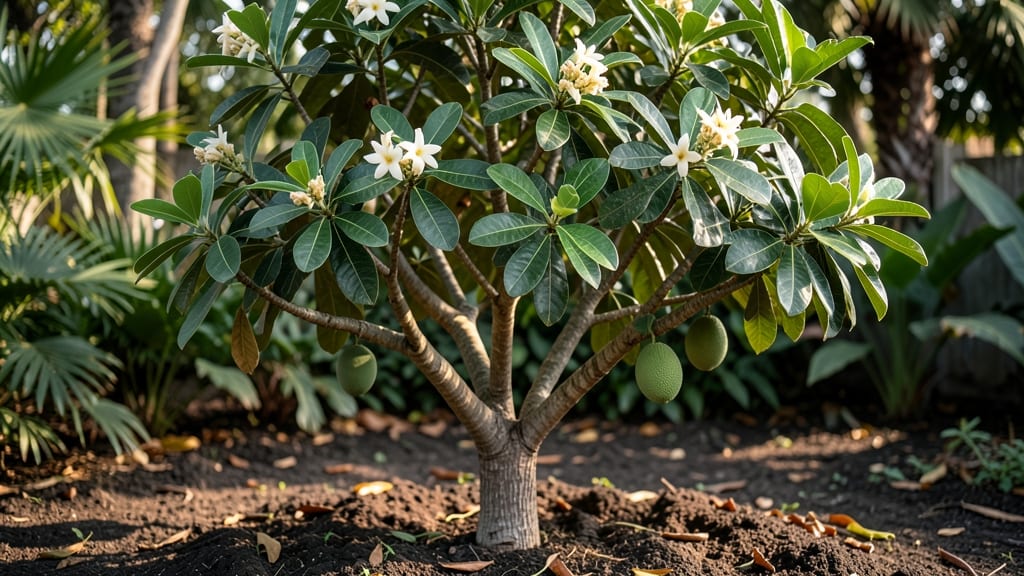
Growing a sugar apple tree in zones 10-12 means you’re already halfway to success—these tropical fruits thrive where winter stays warm. 🌴 The key isn’t just the zone number, though; it’s the humidity, the sunlight, and how you mimic their rainforest home in your backyard (or container).
I’ve grown them in Florida and seen them struggle in coastal California—same zone, totally different results.
The soil needs to stay moist but well-draining, like a sponge that never dries out completely. In hotter zones, mulch heavily to keep roots cool, and in cooler microclimates, a greenhouse or large pot with winter wraps can save your tree.
Sugar apples hate cold snaps—even a light frost will kill them, so plan ahead if you’re pushing the zone limits.
By summer, you’ll be harvesting creamy, custard-like fruit that tastes like a mix of pineapple and mango. The trees grow fast—10-15 feet tall in ideal conditions—and start fruiting as early as 2-3 years old if pollinated properly.
Just don’t expect perfection your first year; it takes patience to get the balance right.
For cooler zones, container growing is your best bet—move pots indoors when temps drop below 50°F. I’ve seen sugar apples thrive in 10-gallon pots for years, as long as you keep them near a sunny window or under grow lights.
The trade-off? Smaller trees mean smaller fruit, but it’s better than losing the whole plant to frost.
📚 In This Guide
- What you need
- Instructions
- Tips and common mistakes
- Wrapping up and next steps
What you need
- ● Sugar apple seeds or saplings: 1–3 seeds (if starting from scratch) or 1 healthy nursery-grown sapling (2–3 feet tall).
- ● Well-draining potting mix: 5–10 gallons (for containers) or enriched garden soil (for in-ground planting). Mix with compost or coconut coir for tropical moisture retention.
- ○ Container (optional but recommended for zones outside 10–11): 15–20 gallon pot with drainage holes (if growing indoors or in cooler climates).
- ● Fertilizer: Balanced organic fertilizer (e.g., 10-10-10) or citrus-specific fertilizer (follow package rates).
- ● Mulch: 2–3 inches of straw or wood chips to retain moisture and regulate soil temperature.
- ● Watering can or hose with a gentle spray nozzle: Sugar apples dislike soggy roots!
- ● Gloves & trowel: For planting and soil prep.
- ● Pruning shears: For shaping the tree and removing dead branches.
- ○ pH testing kit (optional but helpful): Ideal soil pH: 6.0–7.0.
- ● Sunlight access: Full sun (6+ hours daily) or bright indirect light (for containers).
- ● Humidity control (for indoor growers): A humidifier or pebble tray to mimic tropical conditions.
Step-by-Step instructions for planting sugar apple trees by climate zone
Here’s how to choose the perfect spot and prep your sugar apple tree for thriving fruit production.
🌱 Step 1: Verify Your USDA Hardiness Zone
Sugar apple trees (Annona squamosa) thrive in zones 10-12, where temperatures stay above 32°F year-round. Check your local USDA zone—if you’re in zones 9 or cooler, grow the tree in containers and overwinter indoors. I always double-check with the USDA Plant Hardiness Zone Map to avoid frost damage.
In colder zones, place the tree near a south-facing wall or patio to capture reflected heat. Even a 10°F drop can kill young trees, so container-grown specimens need extra protection. Watch for the first frost date in your area—this tells you when to bring potted trees inside before temperatures dip.
☀️ Step 2: Select the Optimal Planting Location
Choose a spot with full sun (6-8 hours daily) and shelter from strong winds. Sugar apple trees love warmth but hate drying breezes that stress the delicate leaves. In tropical zones, partial afternoon shade helps prevent leaf scorch during peak summer heat.
Well-draining soil is a must—these trees rot quickly in soggy conditions. Amend heavy clay with 2-3 inches of compost and a handful of coarse sand to improve aeration. I always dig a hole twice as wide as the root ball to encourage root spread and reduce transplant shock.
🪴 Step 3: Plant at the Right Depth and Time
Plant in early spring (after last frost) or late summer to give roots time to establish before winter. The root flare (where roots meet the trunk) should sit just above soil level—burying it too deep suffocates the tree. Backfill with native soil mixed with compost, tamping gently to remove air pockets.
Water deeply after planting to settle the soil, then mulch with 2-3 inches of wood chips to retain moisture and regulate temperature. Keep the soil consistently moist (but not soggy) for the first 6-8 weeks—this is when roots establish their network. Avoid overhead watering, which can spread fungal diseases.
✂️ Step 4: Prune for Shape and Fruit Production
Prune lightly in late winter (before new growth) to remove dead or crossing branches. Sugar apple trees grow best with an open center—this improves airflow and sunlight penetration to fruit-bearing branches. I always sterilize pruners with rubbing alcohol to prevent bacterial infections.
Fertilize in early spring with a balanced 10-10-10 formula to encourage blooming. These trees are heavy feeders, so repeat every 6-8 weeks during growing season. Watch for new growth—when you see bright green leaves emerging, the tree is responding well to care.
🌿 Step 5: Protect from Pests and Cold Snaps
In zones 9-10, watch for fruit flies and scale insects—spray with neem oil at the first sign of damage. Container-grown trees in colder zones need burlap wraps during unexpected cold snaps. I’ve seen sugar apples survive 30°F with protection, but prolonged frost will kill the plant.
Harvest when fruit turns yellow-green and slightly soft—this usually happens 4-6 months after flowering. Ripeness improves with time off the tree, so store in a cool, dry place. With proper care, your tree can produce fruit for decades, making it a rewarding tropical addition.
Tips & tricks for perfect sugar apple tree planting
Between us, getting these tropical trees to thrive takes more than just sunshine and water—it's about the details that make all the difference.
Zone-Specific Survival Strategy: For those in zones 9 or cooler, I can't stress enough how critical container growing is during winter. Use a pot with drainage holes and move it indoors when nighttime temperatures approach 32°F. I've seen sugar apples survive 30°F with proper protection, but don't test your luck with prolonged cold snaps—they'll kill the plant. Place your container near a sunny window or under grow lights during winter months to maintain that tropical environment.
Soil Science That Works: The 2-3 inches of compost and sand mixture in Step 2 isn't just about drainage—it's about creating the perfect air-soil balance. I always add a handful of perlite to my mix for extra aeration, especially in heavy clay soils. This prevents root suffocation while keeping moisture where it's needed. Think of it as giving your tree's roots a breath of fresh air while keeping them hydrated.
Pruning Precision: When you're pruning in late winter (Step 4), look for branches that are growing inward or rubbing against each other—these are your top priorities to remove. I like to make cuts just outside the branch collar where it meets the trunk. This technique promotes faster healing and prevents disease entry points. And remember, you're not just shaping the tree—you're creating an open center that lets sunlight and air circulate to all the fruit-bearing branches.
Fertilizing Finesse: That 10-10-10 formula in early spring is your tree's wake-up call, but timing is everything. Apply it when you see the first signs of new growth—those bright green leaves emerging. I've learned the hard way that fertilizing too early can burn tender new roots. And here's a pro move: split that first application into two smaller doses, two weeks apart. This gradual feeding prevents shock and gives your tree time to adjust to the nutrient influx.
Pro Tips for Sugar Apple Tree Growing Zone
- Between us, getting these tropical trees to thrive takes more than just sunshine and water—it's about the details that make all the difference.
- Zone-Specific Survival Strategy: For those in zones 9 or cooler, I can't stress enough how critical container growing is during winter.
- Soil Science That Works: The 2-3 inches of compost and sand mixture in Step 2 isn't just about drainage—it's about creating the perfect air-soil balance.
Frequently asked questions
Got questions about growing sugar apple trees? You're not alone! Here are answers to the most common concerns to help you cultivate this tropical gem with confidence.
What USDA hardiness zones can sugar apple trees thrive in?
Sugar apple trees (Annona squamosa) love warmth and do best in USDA zones 10–12. In cooler zones (9 or below), grow them in containers and bring them indoors during winter. Young trees are especially sensitive to frost—protect them with mulch or frost cloth if temperatures dip below 40°F (4°C).
How long does it take for a sugar apple tree to bear fruit?
Patience is key! Sugar apple trees typically take 3–5 years to bear fruit from seed, but grafted trees may fruit in 1–2 years. Ensure they receive full sun (6+ hours daily), well-draining soil, and regular watering (but avoid soggy roots). A mature tree can produce 50–100 fruits per season—worth the wait!
Can I grow a sugar apple tree from seed, or should I buy a grafted plant?
You can grow from seed, but grafted trees are faster and more reliable. Seeds may take years to fruit and produce smaller, less flavorful fruit. If starting from seed, soak it in warm water for 24 hours to speed up germination. For best results, opt for a grafted sapling from a nursery specializing in tropical fruits.
What pests or diseases should I watch for in sugar apple trees?
Common issues include:
- Root rot: Overwatering or poor drainage? Fix it with well-draining soil and avoid waterlogging.
- Anthracnose fungus: Brown spots on leaves? Prune infected parts and apply fungicide.
- Mealybugs or scale insects: Wipe leaves with soapy water or use neem oil.
Prevention is easier than treatment—keep your tree healthy with balanced fertilizer and proper airflow!
How do I know when sugar apple fruit is ripe and ready to pick?
Ripe sugar apples are greenish-yellow with a slight softness when gently squeezed (like a ripe avocado). They don’t ripen further off the tree, so pick them at this stage. Store them at room temperature for a few days or refrigerate to slow ripening. Unripe fruit won’t sweeten—wait for the telltale color change!
Wrapping up and next steps
Growing a sugar apple tree thrives in the right climate zone—whether you're in the warm embrace of USDA Zones 10-12 or a container-friendly spot in cooler areas. With the right soil, sunlight, and care, you're well on your way to enjoying this tropical treasure! 🌴
Ready to take the next step? Start by selecting your perfect spot—whether it’s a sunny backyard or a cozy container—and watch your sugar apple tree flourish into a delicious, fragrant addition to your garden. Happy planting! 🌱