
How To
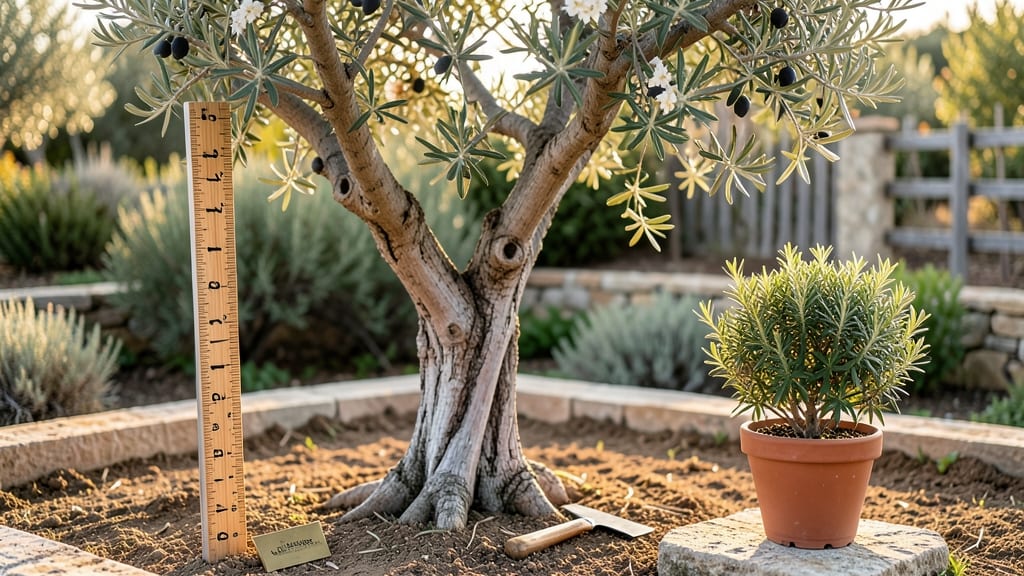
How tall does an olive tree grow? It can reach heights ranging from 4 feet to over 80 feet, depending on the variety and growing conditions.
Ever stared at that tiny olive tree sapling in your yard and wondered if it’ll one day cast shade over your entire patio? 🫒 The answer depends on whether you’re growing a dwarf variety like Arbequina or a full-size Mediterranean giant like Frantoio.
Climate plays a huge role—warmer regions like California push trees toward their maximum height, while cooler zones like USDA Zone 6a can stunt growth significantly. Even pruning habits and soil quality can shift a tree’s trajectory by 10–20 feet over a decade.
Here’s how to predict your olive tree’s mature height, plus tips to control its size—whether you want a container-friendly shrub or a towering landscape centerpiece.

Olive tree mature heights by variety: from dwarf to giant species
If you’ve ever wondered whether that olive tree sapling you planted will someday tower over your backyard, the answer depends entirely on the variety you choose. Olive trees range from dwarf varieties perfect for containers to giant Mediterranean species that dominate entire landscapes.
Understanding these differences helps you plan spacing, pruning, and even container sizes—before your tree outgrows its welcome.
The mature height of an olive tree isn’t just about genetics; it’s also shaped by climate, pruning habits, and growing conditions.
For example, a Frantoio olive tree in Italy’s sun-drenched hills might reach 40+ feet, while the same variety grown in a California container could stay under 15 feet with regular pruning. Let’s break down the spectrum from smallest to tallest.
| Variety | Mature Height (ft) | Growth Rate (ft/year) | Ideal Spacing (ft) | Best For |
|---|---|---|---|---|
| Arbequina | 4–8 ft | 0.5–1 ft | 3–5 ft (containers) | Containers, patios, small yards |
| Little Ollie | 6–10 ft | 0.8–1.5 ft | 5–8 ft (ground or pot) | Urban gardens, balconies |
| Frantoio | 20–30 ft | 1.5–2.5 ft | 15–20 ft (ground) | Landscaping, orchards |
| Mission | 30–50 ft | 2–3 ft | 25–30 ft (ground) | Large estates, Mediterranean climates |
| Manzanillo | 40–60+ ft | 3–4 ft | 30–40 ft (ground) | Rural properties, historic groves |
Dwarf varieties like Arbequina and Little Ollie are the container gardening superstars, staying under 10 feet even with minimal pruning. These are ideal if you’re growing olives on a balcony in Zone 8 or a patio in Southern California.
Their slow growth rate (0.5–1.5 feet per year) makes them low-maintenance choices for small spaces.
Standard varieties like Frantoio and Mission strike a balance, reaching 20–50 feet in ideal conditions. These are the workhorses of Mediterranean orchards and California backyards, but they require proper spacing (15–30 feet apart) to avoid overcrowding.
Without regular pruning, they’ll naturally grow taller, so plan for height control if your yard has height restrictions.
For those dreaming of a towering olive tree like the ancient giants of Spain or Greece, varieties like Manzanillo deliver—reaching 40–60+ feet in perfect conditions. These are not container plants; they need wide-open spaces and decades to mature.
If you’re in a cooler climate (Zone 7 or below), expect slower growth unless you provide winter protection.
Growth rates also vary by climate. In Mediterranean climates with hot, dry summers, olive trees can grow 2–3 feet per year, while in cooler regions like Oregon, growth may stall to 0.5–1 foot annually.
Sunlight exposure plays a critical role too—full sun (6+ hours daily) accelerates growth,
Climate and growing conditions that dramatically affect olive tree height
Olive trees thrive in Mediterranean climates where warm days and mild winters create ideal growing conditions. In these regions, olive trees can reach 40-50+ feet tall, growing rapidly with consistent sunlight and well-draining soil. However, even within the same species, temperature fluctuations and soil quality can drastically alter height potential.
For example, in California’s coastal regions, olive trees grow 20-30% taller than those in inland areas due to cooler, foggy microclimates. Meanwhile, in Greece’s sun-drenched landscapes, olive trees often exceed 50 feet with minimal pruning, thanks to the intense sunlight and warm winters.
| Climate Factor | Effect on Height | Example Regions |
|---|---|---|
| 🌡️ Temperature | Cold winters stunt growth; mild winters encourage rapid height increases | California (20-30 ft) vs. Greece (40-50+ ft) |
| ☀️ Sunlight | Full sun (6+ hrs/day) maximizes growth; partial shade reduces height by 30-40% | Southern Spain (35-45 ft) vs. Northern Italy (15-25 ft) |
| 🌱 Soil Type | Well-draining, rocky soil promotes taller growth; clay soil limits height due to poor drainage | Tuscany (30-40 ft) vs. Louisiana (10-20 ft) |
| ✂️ Pruning Practices | Minimal pruning allows natural height; aggressive pruning keeps trees under 15 ft | Wild olive groves (50+ ft) vs. container-grown (8-12 ft) |
In cooler climates like Zone 7-8, olive trees grow more slowly and rarely exceed 20 feet without careful pruning. For instance, in Portland, Oregon, olive trees typically reach 15-20 feet due to shorter growing seasons.
To compensate, gardeners often use dwarf varieties like Arbequina, which max out at 10-12 feet even in ideal conditions.
Soil composition plays a critical role in height potential. Olive trees prefer alkaline, well-draining soil with a pH of 6.0-8.0. In heavy clay soils, like those found in Mississippi, growth is stunted, and trees rarely surpass 12 feet.
Amending soil with sand or gravel can improve drainage and encourage taller growth.
Pruning practices also dramatically influence height. In Mediterranean orchards, olive trees are often left unpruned to reach their full height, while urban gardens use annual pruning to maintain manageable sizes.
For example, a Frantoio olive tree in Tuscany can grow 40+ feet without intervention, but the same variety in a California backyard might stay under 25 feet with regular pruning.
Microclimates within regions can create striking differences in olive tree height. A south-facing slope in Arizona might produce a 30-foot tree, while a north-facing yard just a mile away could yield a 15-foot tree. Adjusting planting locations to maximize sunlight exposure can help achieve desired height goals.