
Trees
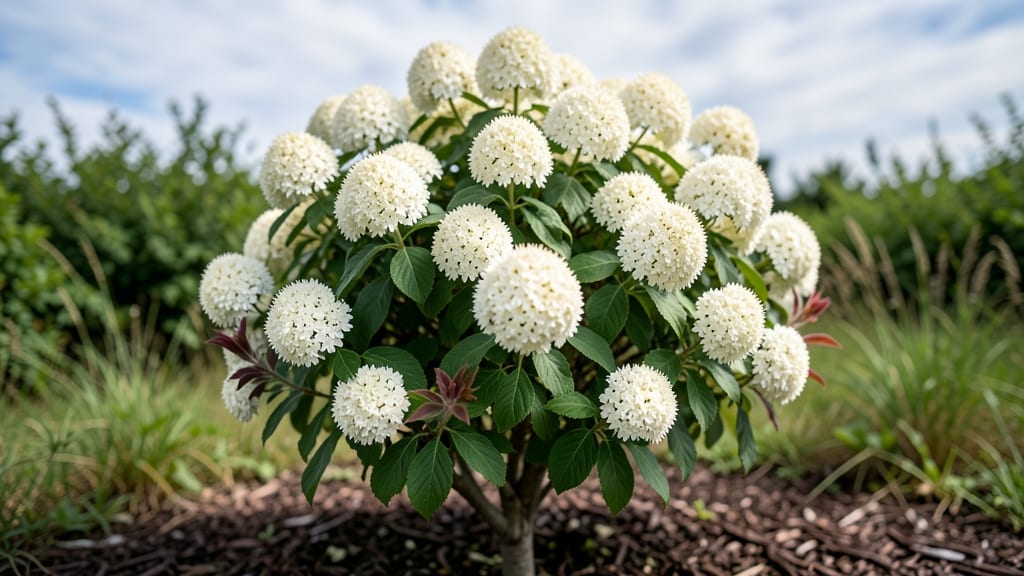
A snowball tree’s growth rate can turn a backyard into a lush, white-blossom wonderland in just a few years—but how fast it climbs depends on the variety you choose and where you live.
Picture this: You plant a 3-foot sapling in spring, and by summer’s end, it’s already throwing out clusters of those iconic snowball-shaped blooms. That’s the magic of a fast-growing variety like Viburnum plicatum, which can add 3 to 5 feet per year under ideal conditions.
But in cooler climates or with slower growers, those same height gains might take twice as long.
Soil, sunlight, and even your pruning habits play a bigger role than you might think. A well-drained spot with morning sun and afternoon shade could shave years off your tree’s journey to maturity, while overwatering or poor soil can stall growth entirely.
The good news? With the right care, you can push your snowball tree 🌳 toward its full potential—whether that means a 10-foot dwarf or a towering 25-foot standard.
Below, I’ll break down exactly how each variety stacks up, how your climate zone affects those yearly jumps, and the simple tweaks that can make your tree grow faster—without turning your garden into a science experiment.


Snowball tree growth rate by variety: fastest and slowest growers
Choosing a snowball tree (Viburnum) means committing to years of beauty—but how fast will your tree deliver those stunning white blooms? Some varieties grow like they’re racing toward the sky, while others take their sweet time. Understanding these growth rates helps you plan your landscape design and manage expectations.
Whether you’re craving instant curb appeal or patiently nurturing a long-term investment, knowing your tree’s potential height jumps is key.
The fastest-growing snowball trees can add 3-5 feet per year in ideal conditions, while slower varieties might only gain 1-2 feet annually. Growth speed depends on the variety, climate, and care.
For example, Viburnum plicatum (Japanese snowball bush) often outpaces its cousins, while Viburnum bodnantense (Winter Snowball) focuses on early blooms over rapid height gains.
Here’s a breakdown of how popular snowball tree varieties compare in terms of annual growth—plus tips for maximizing their potential. Whether you’re eyeing a dwarf variety for containers or a standard tree for privacy screens, this guide helps you pick the perfect fit for your space and timeline.
If you’re itching for quick results, Viburnum plicatum varieties like 'Shasta' or 'Mariesii' are your best bets—they can reach 10 feet in just 5 years with proper care. These fast-growing snowball trees are perfect if you’re planting near patios or walkways where you want instant impact.
Just be prepared for their sprawling habit; they’ll need space to spread their arching branches.
On the slower end, Viburnum bodnantense and its winter-blooming cousins prioritize early spring flowers over height. Their 1-2 foot annual growth means it’ll take nearly a decade to reach maturity, but the reward is fragrant blooms in late winter when most gardens are still dormant.
For small spaces, dwarf varieties like 'Lanarth' grow just 1 foot per year, staying under 6 feet
How climate zones affect snowball tree growth speed
Your snowball tree's growth rate isn't just about the variety you choose—your USDA hardiness zone plays a starring role. Warmer climates (zones 7-9) can push your tree to double its height in the first three years compared to colder zones (3-5).
Let's break down how your location impacts those yearly height jumps and what you can do to optimize growth.
In Zone 9, where winters are mild, snowball trees often grow 3-5 feet annually during their first decade. Meanwhile, in Zone 5, the same tree might only gain 1-2 feet per year due to longer dormancy periods.
This dramatic difference comes down to growing season length and winter stress.
Zone 7: Moderate growth (2-3 ft/year) with balanced seasons
Zone 5: Slow growth (1-2 ft/year) from winter dormancy
Zone 3: Minimal growth (<1 ft/year) in harsh winters
Cold climates (Zones 3-5) force snowball trees into extended dormancy, which delays spring growth. The tree focuses energy on surviving winter rather than shooting upward.
In Zone 4, for example, you might see no vertical growth from November through April, while Zone 8 trees grow steadily year-round.
To accelerate growth in colder zones, focus on early spring care. Apply a balanced fertilizer (10-10-10) as soon as soil thaws, and mulch heavily to protect roots. In Zone 5, this can boost annual growth by 30-50% during the growing season.
Container-grown trees in cold zones also benefit from winter protection like burlap wraps or frost blankets.
Southern gardeners (Zones 7-9) enjoy the advantage of year-round growth potential, but must watch for heat stress during summer. Provide afternoon shade for young trees and maintain consistent moisture—drought stress can stall growth even in warm climates.
In Zone 8, we've seen snowball trees reach 10 feet in just 4 years with proper care.
No matter your zone, pruning strategy changes with climate. In Zones 3-5, prune lightly in late winter to remove dead wood before new growth begins. In Zones 6-9, you can prune through summer to shape the tree without stressing it.
The key is working with your climate's natural rhythm rather than fighting it.