
How To
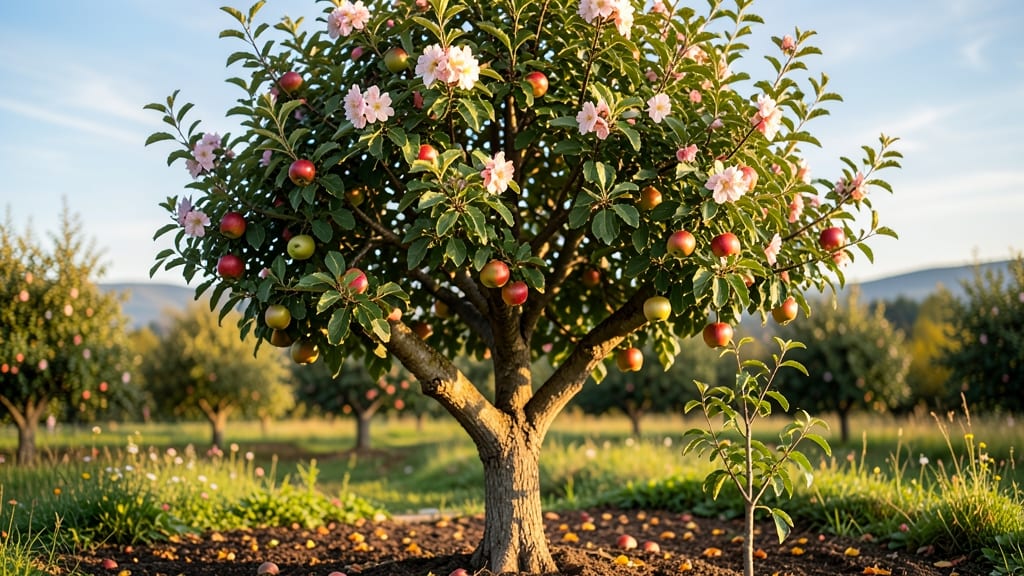
How tall does an apple tree grow? It can range from a modest 6 feet to towering over your house at 25 feet, depending on its type and rootstock.
If you're dreaming of a home orchard but worried about space, understanding apple tree height variations—from dwarf to standard—could save your backyard (and your sanity).
Dwarf varieties stay compact (8–12 feet), perfect for containers or small gardens, while standard trees can reach 20 feet or more, needing room to spread. The right choice depends on your space, climate, and even your pruning habits.
Here’s how to pick the perfect size for your garden, plus pruning tips to keep your 🍎 tree in check—no matter how tall it wants to grow.

Apple tree height variations: dwarf vs semi-dwarf vs standard sizes explained
If you're dreaming of a home orchard but worried about space, understanding apple tree height variations—from dwarf to standard—could save your backyard (and your sanity). The rootstock (the underlying root system) determines how tall your apple tree will grow, with dramatic differences between dwarf, semi-dwarf, and standard varieties.
Choosing the right size isn't just about aesthetics; it impacts fruit production, ease of harvesting, and even pollination needs.
Standard apple trees can reach 18-25 feet tall, towering like small trees in your yard, while dwarf varieties stay a manageable 6-8 feet. Semi-dwarf trees fall in between at 12-16 feet, offering a compromise for medium-sized spaces.
The key to controlling height lies in the rootstock type, which directly influences both the tree's mature size and its growth rate. For example, M.9 rootstock produces dwarf trees, while MM.111 yields semi-dwarfs, and seedling rootstock results in full-sized standards.
Here's how these height variations break down in practice, including spacing requirements and growth progression over time:
| Type | Mature Height | Rootstock Examples | Spacing Needs | Growth Rate |
|---|---|---|---|---|
| Dwarf | 6-8 ft | M.9, M.26 | 6-8 ft apart | Fast (fruits in 2-3 years) |
| Semi-Dwarf | 12-16 ft | MM.106, MM.111 | 12-15 ft apart | Moderate (fruits in 3-5 years) |
| Standard | 18-25 ft | Seedling, MM.104 | 20-25 ft apart | Slow (fruits in 5-8 years) |
*Height ranges assume ideal growing conditions and proper pruning.
Dwarf apple trees are perfect for small yards, containers, or even urban gardens because they mature quickly and produce fruit in just 2-3 years. Their compact size makes them ideal for easy harvesting and low-maintenance pruning.
However, they often require staking for support and may need more frequent pruning to maintain shape. Semi-dwarf trees strike a balance, offering larger fruit yields than dwarfs while staying manageable for most homeowners. They're great for medium-sized lawns or backyard orchards where you want a mix of height and accessibility.
Standard apple trees are the classic choice for large properties or traditional orchards. They produce the most robust trees with the largest fruit yields, but their 20+ foot height requires ladders for harvesting and more space for proper airflow.
If you're considering a standard tree, plan for 20-25 feet of spacing between trees and be prepared for longer wait times before fruiting (5-8 years). For pollination, standard trees often need a second variety planted nearby to ensure fruit set.
One common misconception is that dwarf trees produce smaller apples. In reality, the fruit size depends more on the scion variety (the top part of the tree) than the rootstock.
For example, a Granny Smith grafted onto a dwarf rootstock will still produce large, classic Granny Smith apples—just on a smaller tree. This makes dwarf trees ideal for varieties like Honeycrisp or Fuji, where you want premium fruit without the space requirements of a full-sized tree.
When planting, always check the rootstock type listed on the nursery tag, as this determines the tree's mature size. If you're unsure, ask the nursery staff which rootstock is best for your space and climate.
For example, M.9 rootstock is popular for dwarfs but may struggle in colder climates, while MM.111 is more cold-hardy and better suited for semi-dwarfs. Always plant in well-draining soil with full sun exposure (6+ hours daily) to ensure optimal growth regardless of height.
Pruning plays a crucial role in managing apple tree height, especially for dwarf and semi-dwarf varieties. For dwarfs, focus on open-center pruning to encourage an umbrella-like shape that makes fruit easy to reach. Standard trees benefit from central leader pruning, which maintains a single trunk and promotes vertical growth.
Always prune in late winter or early spring before new growth begins, and sterilize your tools with rubbing alcohol to prevent disease spread.
If you're limited to a container garden, opt for a dwarf apple tree in a 15-20 gallon pot with drainage holes. Use a lightweight potting mix and repot every 2-
Best apple tree varieties by height: small-space vs large-garden options
Choosing the right apple tree variety depends on your garden size and layout. Dwarf varieties like Columnar or Patio types fit balconies and small yards, while standard-sized trees like Granny Smith thrive in spacious orchards.
Below, I’ve categorized 12+ varieties by mature height to help you pick the perfect fit for your space.
The key to managing height is rootstock selection—dwarf rootstocks like M.9 keep trees under 8 feet, while standard rootstocks like Seedling can reach 20+ feet. Always check spacing requirements to avoid overcrowding and ensure proper airflow for disease prevention.
For small spaces, Columnar and Patio varieties are my top picks—they grow vertically and fit into tight corners. Their slow growth rate makes them ideal for containers or urban gardens, where space is limited. Just ensure they get 6+ hours of sunlight daily for optimal fruit production.
If you have a large garden, consider semi-dwarf or standard varieties like Fuji or Granny Smith. These trees produce larger fruit yields and are perfect for creating a traditional orchard feel. Remember to allocate 15+ feet of spacing for standard trees to prevent root competition.
Pro tip: Espalier training can transform even the tallest varieties into space-saving options. By pruning and training branches flat against a fence or wall, you can grow full-sized apples in a compact footprint. This method works beautifully with Honeycrisp or Gala varieties.
Always check your local climate zone before selecting a variety—some dwarf trees may struggle in colder regions. For example, Liberty apples thrive in USDA Zones 5-8, while Granny Smith prefers Zones 7-10. Matching your tree to your climate ensures healthier growth and better fruit production.
🌱