
Pruning
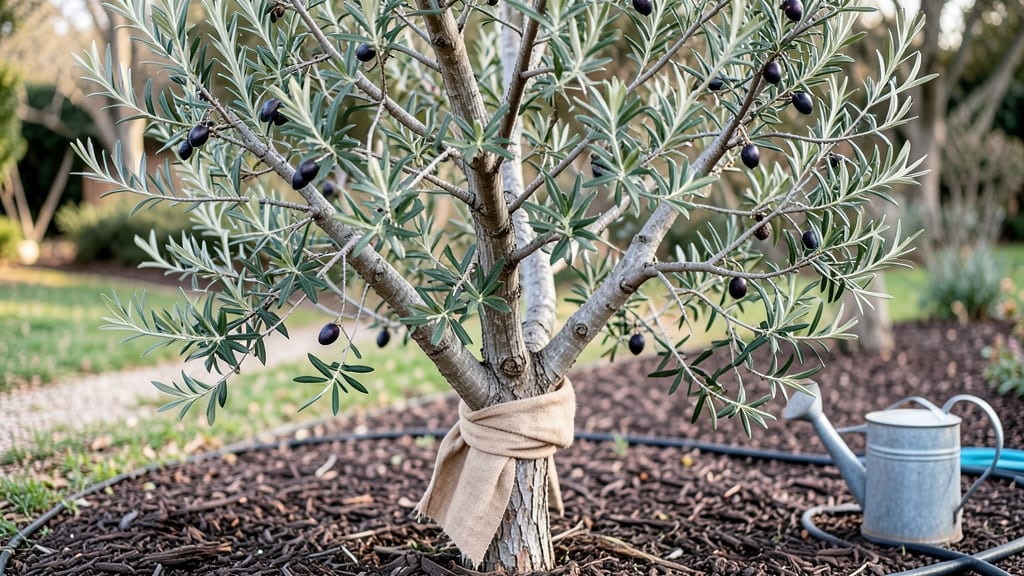
Winter care for olive trees isn’t just about survival—it’s about setting up healthy spring growth that makes your tree thrive for decades. ✂️ I’ve watched olive trees go from ragged after frost to lush and productive in just one season, all because of a few key winter steps.
The secret? Pruning at the right time, protecting against cold snaps, and adjusting watering before dormancy sets in.
Most gardeners mess up winter care by either pruning too late or assuming their olive tree can handle frost like a Mediterranean native. The truth is, olive trees need strategic trimming in late winter (after the worst cold passes) to encourage new growth while keeping the structure strong.
In colder zones, wrapping the trunk and mulching heavily can mean the difference between a tree that recovers and one that struggles.
By spring, you’ll see fresh green shoots where last year’s frost damage once was—and those shoots will grow into branches heavy with fruit.
The key is working with the tree’s natural rhythm: prune when it’s dormant but not frozen, water just enough to keep roots from drying out, and protect vulnerable parts from late-season freezes. It’s not complicated, but it does require timing.
Whether you’re in California’s mild winters or the deep freeze of zone 5, these adjustments make all the difference. The goal isn’t just to keep your olive tree alive—it’s to turn it into a productive, long-lived centerpiece of your garden. Let’s get to the steps that make that happen.
📚 In This Guide
- What you need
- Instructions
- Tips and common mistakes
- Wrapping up and next steps
What you need
- ● Pruning shears: Bypass pruners (sharp, clean, and sterilized with rubbing alcohol) for small branches (up to ½-inch thick).
- ● Loppers: 1 pair (for branches ½-inch to 2-inches thick). Opt for bypass-style for precision cuts.
- ● Pruning saw: 1 handheld saw (for branches thicker than 2-inches). A bow saw or curved blade works best.
- ● Gloves: 1 pair of cut-resistant, durable gloves (gardening or pruning-specific) to protect hands from thorns and sharp tools.
- ● Disposable pruning bags: 3–5 large bags (for collecting debris and preventing disease spread).
- ● Rubbing alcohol (70% isopropyl): Small bottle (for sterilizing tools between cuts).
- ○ Tree wound sealant (optional): 1 small tube (only for cuts larger than ½-inch; avoid overuse—olive trees heal naturally).
- ● Ladder or step stool: Sturdy, tall enough to reach the tree’s canopy safely. Never stand on unstable surfaces!
- ● Hand sanitizer: For cleanliness after handling thorns or sap.
- ● Marking spray (paint): Small bottle (to mark branches for removal before cutting).
- ● Work apron: With pockets to hold tools and debris.
- ● Pruning guide or ruler: For measuring branch thickness or spacing.
- ● Mulch (straw or wood chips): 2–3 inches of organic mulch (to insulate roots post-pruning).
Step-by-Step instructions for olive tree winter care
Here’s how I prepare olive trees for winter—keeping them strong and ready to burst into growth when spring arrives.
🌿 Step 1: Assess the Tree for Winter Damage
Start by examining your olive tree for signs of stress or damage. Look for yellowing leaves, brown, crispy edges, or any branches that feel brittle or dead. I run my fingers along the bark—healthy olive trees have smooth, slightly rough bark, while damaged areas might feel soft or mushy. This is your baseline for what needs attention.
Pay special attention to the tips of branches and any areas where leaves meet stems. Olive trees often lose leaves in winter, but if you see blackened or oozing spots, that’s a sign of fungal infection or frost damage. Note these areas—they’ll guide your pruning decisions later. This step ensures you only remove what’s necessary, preserving the tree’s energy for spring.
✂️ Step 2: Prune for Frost Resistance
Use sterilized pruning shears to cut back any dead, diseased, or crossing branches first. Olive trees handle pruning well, but I avoid removing more than 25% of the canopy in one go—this prevents shock. Focus on shaping the tree to allow sunlight and air to reach the center, which helps prevent frost pockets where cold air can trap and damage tender growth.
For frost-prone areas, I trim branches that grew too vigorously in summer, as these are the most vulnerable to cold snaps. Cut just above a leaf bud or outward-facing branch to encourage healthy regrowth. Avoid cutting into old wood—olive trees sprout new growth from younger branches. Step back occasionally to check the tree’s balance; you want an open, airy structure that won’t trap cold air.
☀️ Step 3: Protect the Tree from Frost
Once pruned, I wrap the trunk of younger olive trees with burlap or tree guard to shield them from sharp temperature swings. For mature trees, focus on mulching the base with 3-4 inches of organic mulch, like wood chips or straw, to insulate the roots. This keeps the soil temperature stable and prevents frost from penetrating the ground. Avoid piling mulch against the trunk—keep it 3 inches away to prevent rot.
If your area experiences hard freezes (below 20°F), I cover the entire tree with a frost blanket or burlap sack, securing it loosely at the base. Leave the top open slightly to allow airflow—trapped moisture can cause more harm than the cold. Water the tree deeply before the first frost to ensure the roots are hydrated, but avoid overwatering, which can lead to root rot in cold soil.
🌱 Step 4: Monitor and Adjust Through Winter
Check your olive tree every 2-3 weeks during winter for new signs of stress. Look for buds swelling prematurely, which can signal the tree is waking up too early. If this happens, I adjust protection by adding extra layers of burlap or extending the frost blanket. Olive trees are resilient, but sudden warm spells followed by cold snaps can confuse them and lead to damage.
If you notice any branches with blackened tips or wilting leaves, prune those sections immediately to prevent the spread of damage. Keep an eye on the soil—it should stay slightly moist but not soggy. If the ground feels frozen, hold off on watering until it thaws. This step is all about giving your tree the best chance to recover and thrive when spring arrives.
Tips & tricks for olive tree winter care
A few simple strategies will help you keep your olive trees thriving through winter and ready to flourish when spring arrives.
Pruning Precision: In Step 2, when you're cutting back branches, focus on removing only what’s truly necessary—never more than 25% of the canopy. I learned this the hard way after over-pruning and nearly losing a young tree. Look for branches that cross or rub against each other; these are prime candidates for removal as they create weak points where frost can enter. Always cut just above a leaf bud or outward-facing branch to encourage healthy regrowth. This targeted approach preserves the tree’s energy reserves for spring.
Frost Protection Layering: For Step 3, when wrapping the trunk or covering the entire tree, think of it like dressing for winter layers. Start with a breathable material like burlap or tree guard to protect the trunk, then add mulch around the base—3-4 inches of organic material like wood chips or straw. The key is creating airflow while insulating against extreme cold. If temperatures drop below 20°F, add an extra layer of frost blanket, but leave the top slightly open to prevent moisture buildup that can cause more harm than the cold itself.
Monitoring Through Winter: In Step 4, when checking your tree every 2-3 weeks, pay close attention to the soil moisture. The ground should feel slightly moist but never soggy—overwatering in winter can lead to root rot. If you notice buds swelling prematurely, it’s a sign the tree is waking up too early. This often happens during warm spells followed by sudden cold snaps. In these cases, add extra layers of protection immediately to prevent damage from returning frost.
Pro Tips for Olive Tree Care Winter
- A few simple strategies will help you keep your olive trees thriving through winter and ready to flourish when spring arrives.
- Pruning Precision: In Step 2, when you're cutting back branches, focus on removing only what’s truly necessary—never more than 25% of the canopy.
- Frost Protection Layering: For Step 3, when wrapping the trunk or covering the entire tree, think of it like dressing for winter layers.
Frequently asked questions
When should I prune my olive tree for winter?
Prune olive trees in late winter or early spring (just before new growth starts, roughly February–March in most U.S. zones). Avoid pruning in fall or deep winter—it stresses the tree and invites pests. For frost-prone areas, a light trim in late fall can reduce wind damage, but hold off on heavy cuts until after the last frost.
How do I protect my olive tree from frost?
Olive trees are hardy but young or potted trees need extra care. Mulch the base with 2–3 inches of straw or wood chips, wrap the trunk with burlap (remove in spring), and cover potted trees with frost cloth or blankets. Water deeply before frost hits—hydrated roots are more resilient. Avoid overhead watering, as ice can damage leaves.
Can I prune olive trees in winter if it’s not freezing?
Yes! If temperatures stay above 30°F (-1°C), you can prune during mild winter days. Focus on removing dead, diseased, or crossing branches first. Save heavier shaping for spring. Just avoid pruning after a hard frost—dormant trees are more vulnerable to infection. Think of it as a light maintenance session, not a full makeover.
What if my olive tree loses leaves in winter?
Don’t panic—olive trees naturally drop leaves in cold weather (a process called marcescence). If the tree is healthy otherwise (green stems, no oozing sap), it’s just conserving energy. Wait until spring to assess damage. If leaves stay brown and crispy throughout winter, it may signal over-pruning, poor drainage, or root issues.
Are there olive tree alternatives for colder climates?
If your zone drops below 15°F (-9°C), consider cold-hardy alternatives like:
- Arbutus (Strawberry Tree) – Zones 6–9, glossy leaves, pink flowers.
- Pittosporum – Zones 7–10, fragrant white blooms, evergreen.
- Dwarf Olive (Olea europaea ‘Little Ollie’) – Zones 8–10, but some varieties tolerate brief dips to 20°F (-7°C).
Wrapping up and next steps
Caring for your olive tree in winter doesn’t have to be daunting—with the right techniques, you’ll set the stage for vibrant spring growth and a thriving tree. Remember to prune strategically (but not too late!), protect from frost, and keep roots insulated to shield it from harsh conditions.
Your efforts now will reward you with stronger branches, better fruit production, and a healthier tree come spring.
Ready to give your olive tree the love it deserves? Grab your pruners and start planning your winter maintenance today! 🌱✂️ For extra peace of mind, bookmark this guide or share it with fellow gardeners—because every well-cared-for tree is a step toward a greener, happier landscape.