
Landscaping
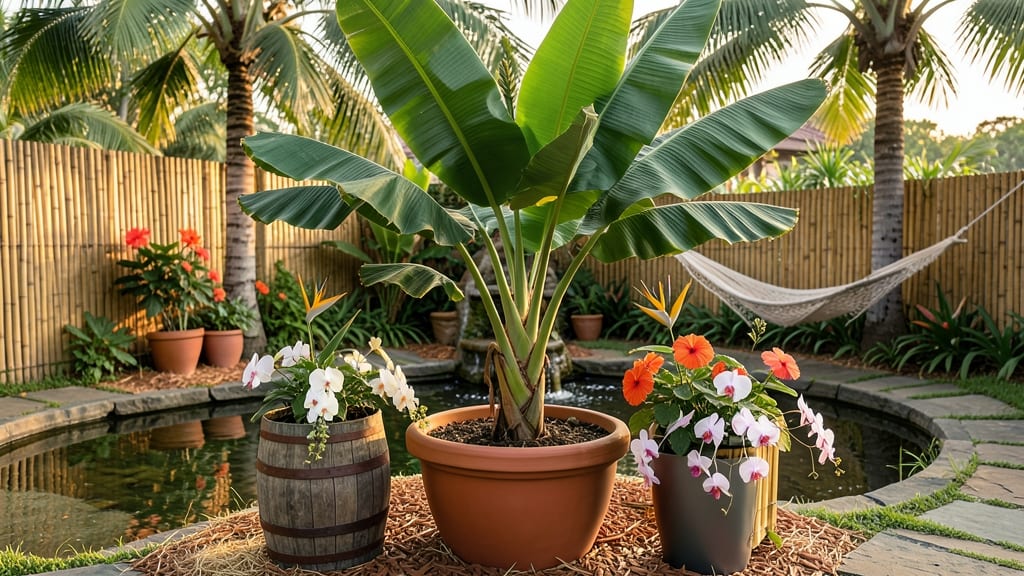
Banana tree landscaping ideas can turn your yard into a lush tropical retreat. 🌿 I planted mine as a privacy screen last spring, and the bold, architectural leaves transformed our backyard into a secluded oasis within months. The best part? They stay vibrant year-round in warm climates, offering shade, wind protection, and stunning visual impact all at once.
The key is pairing them with the right companions—think hibiscus, bird of paradise, or even ornamental grasses to soften their dramatic presence. My banana trees now stand as the centerpiece, their massive leaves filtering sunlight beautifully while creating a natural windbreak.
You’ll love how they anchor the space without overwhelming it.
By summer, you’ll have a thriving, fragrant privacy screen that doubles as a conversation starter. The fruit is a bonus—though it’s not the main reason we planted them, the occasional banana is a fun surprise. Perfect for coastal homes, poolside areas, or any spot craving a tropical vibe.
Works in USDA zones 10-11, but even cooler climates can grow them in containers and overwinter indoors. Start with a young tree for faster results—mine reached 10 feet in just two seasons. Here’s how to make it work for your space!
📚 In This Guide
- What you need
- Instructions
- Tips and common mistakes
- Wrapping up and next steps
What you need
- ● Banana Trees: 3–5 mature Musa spp. (e.g., Musa acuminata or Musa balbisiana) – Choose dwarf varieties (6–10 ft tall) for manageable height or larger types (12–15 ft) for bold impact.
- ○ Optional: Pre-potted banana plants (1–2 gallon containers) for faster growth.
- ● Soil & Amendments: Well-draining, nutrient-rich soil (pH 6.0–7.5). Mix 50% native soil with 50% compost or coconut coir.
- ○ Optional: Slow-release organic fertilizer (10-10-10 or banana-specific blend).
- ● Support Structures: Bamboo stakes (3–4 ft tall, 2–3 per tree) or tree rings for stability.
- ○ Optional: Decorative trellises or woven screens for aesthetic integration.
- ● Mulch: 3–4 inches of wood chips, pine straw, or straw mulch to retain moisture and regulate temperature.
- ● Watering Supplies: Drip irrigation system (recommended for tropical climates) or a 5-gallon watering can.
- ○ Optional: Rainwater collection barrels for sustainability.
- ● Pruning Tools: Sharp bypass pruners (for trimming leaves/fruit).
- ● Loppers (for thicker stems).
- ● Sterilized saw (for removing large pseudostems).
- ● Safety Gear: Gloves (heavy-duty for thorny varieties like Musa textilis).
- ● Long sleeves/pants (banana trees can have abrasive leaves!).
- ● Climate Check: Banana trees thrive in USDA Zones 9–11. For colder climates, plant in containers or choose cold-hardy varieties like Musa basjoo.
- ● Sunlight: Full sun (6+ hours daily). Partial shade may reduce fruit production but works for ornamental use.
- ● Space: Plant trees 8–12 ft apart for a dense screen. Adjust spacing based on mature size.
- ● Drainage: Avoid low-lying areas prone to waterlogging. Elevate soil in containers or raised beds if needed.
- ● Legal Considerations: Check local regulations—some areas restrict banana trees due to size or invasive potential.
How to create a stunning banana tree privacy screen
Here's how to transform your yard with bold, tropical foliage that thrives year-round.
🌿 Step 1: Select the Right Banana Tree Varieties
For a privacy screen, choose dwarf varieties like 'Dwarf Cavendish' or 'Lady Finger' that stay under 10 feet tall but still deliver dramatic foliage. I like planting 4 trees spaced 6-8 feet apart to create a lush, continuous barrier. Each tree needs space to spread its large leaves, so avoid planting too close to structures or sidewalks.
Check your USDA hardiness zone—most banana trees thrive in zones 10-11 but can be grown in cooler climates with winter protection. If you're in a colder zone, opt for cold-hardy varieties like 'Ice Cream' banana, which can survive brief dips to 25°F. Plant in spring after the last frost when soil temperatures reach 65°F for best establishment.
☀️ Step 2: Choose the Perfect Sunlit Location
Banana trees demand full sun—at least 6-8 hours daily—to produce their signature large, glossy leaves. A south-facing wall or fence is ideal, but east or west exposures work too. You'll notice the leaves yellow and drop if the tree isn't getting enough light, so test the spot for a few days before planting.
If your yard has afternoon shade, supplement with a dappled light area—just avoid deep shade entirely. The soil should drain well but retain moisture, so raised beds or slightly mounded planting areas help prevent root rot. Amend heavy clay soil with 2-3 inches of compost to improve drainage before planting.
🪴 Step 3: Plant for Maximum Impact and Growth
Dig a hole twice as wide as the root ball but no deeper—banana trees hate having their crown buried. Place the tree in the center, backfill with native soil mixed with 1 cup of balanced fertilizer (10-10-10), and water deeply to settle the roots. Mulch around the base with 2-3 inches of organic mulch to retain moisture and regulate soil temperature.
Space your 4 trees in a straight line for a clean privacy screen effect. Stagger the planting slightly if you want a more natural, windbreak-style look. Water immediately after planting and keep the soil consistently moist for the first 4-6 weeks—you'll see new leaves unfurl within 2-3 weeks if the tree is happy.
💧 Step 4: Maintain for Year-Round Tropical Beauty
Water deeply 2-3 times per week during the growing season, letting the top 2 inches of soil dry out between waterings. Banana trees are heavy feeders, so fertilize every 6-8 weeks with a banana-specific fertilizer or a high-potassium blend (like 10-10-20). You'll notice bigger leaves and more frequent flowering if the tree gets enough nutrients.
Prune only to remove dead or damaged leaves—never cut into the trunk. In cooler climates, protect the tree in winter by wrapping the trunk with burlap or frost cloth and covering the base with 4-6 inches of mulch. Even in warm climates, prune spent flower stalks after harvest to encourage new growth.
✂️ Step 5: Enhance With Complementary Tropical Plants
Pair your banana trees with bird of paradise, hibiscus, or palm trees for a full tropical vibe. I like adding 1-2 dwarf palms between banana trees to fill gaps and create texture. Use ground covers like sweet potato vine to soften the base and suppress weeds—just keep them 12 inches away from the banana tree trunks to avoid competition.
Add solar-powered garden lights at the base of each tree for evening ambiance. The large leaves reflect light beautifully, creating a warm glow. If you're near a patio or deck, place seating 8-10 feet away so you can enjoy the tropical privacy while still feeling connected to the space.
Tips & tricks for perfect banana tree privacy screens
Want your tropical privacy screen to thrive with minimal fuss? These practical tips will help you avoid common pitfalls and create a lush, year-round barrier.
Variety Selection: When choosing your dwarf banana trees, look for uniform sizes at the nursery—this ensures your 4 trees will grow at the same rate, creating that perfect continuous screen. I've seen mismatched trees create uneven gaps after just a year. Also, check the root ball size—smaller root balls establish faster, so you'll see those new leaves unfurl within 2-3 weeks as promised.
Sunlight Strategy: That 6-8 hours of daily sun is non-negotiable, but here's what nobody tells you: Morning sun is more important than afternoon for banana trees. If you're in a spot with afternoon shade, prioritize the morning sun exposure. For testing sunlight, use a simple trick—place a white sheet of paper on the ground where you plan to plant. If it stays mostly white after a sunny day, you've got enough light.
Planting Depth: The "twice as wide but no deeper" rule is critical—banana trees absolutely hate having their crown buried. I learned this the hard way when my first attempt led to rot. Use a level to ensure the top of the root ball sits just above soil level. Pro tip: Create a small mound of soil in the hole before placing the tree to prevent settling that could bury the crown over time.
Winter Protection: For those in cooler zones, the 4-6 inches of mulch around your tree's base is your best friend. I've seen trees survive down to 25°F with proper protection, but the key is consistency. Don't wait until the first frost—apply that mulch as soon as temperatures dip below 50°F. Also, wrap the trunk with burlap only after the ground freezes to prevent moisture buildup that can cause rot during warmer days.
Pro Tips for Banana Tree Landscaping Ideas
- Want your tropical privacy screen to thrive with minimal fuss?
- Variety Selection: When choosing your dwarf banana trees, look for uniform sizes at the nursery—this ensures your 4 trees will grow at the same rate, creating that perfect continuous screen.
- Sunlight Strategy: That 6-8 hours of daily sun is non-negotiable, but here's what nobody tells you: Morning sun is more important than afternoon for banana trees.
Frequently asked questions
about banana tree landscaping—because every tropical dream deserves a little extra clarity!How fast do banana trees grow, and when can I expect privacy?
Banana trees grow fast—some varieties can add 3–6 feet per year under ideal conditions! For a privacy screen, expect noticeable growth within 1–2 years, with full coverage in 3–5 years, depending on the species and care. Dwarf varieties (like Musa acuminata) mature quicker, while larger types (like Musa velutina) take longer but offer denser foliage.
Can banana trees survive winter in cold climates?
Most banana trees are tropical/subtropical and struggle below 20°F (-7°C). For colder zones (USDA 8–10), opt for hardy varieties like Musa basjoo or grow them in containers to move indoors/wrap in burlap during frost. Mulch heavily and water sparingly in winter to protect roots. Pro tip: Plant near a south-facing wall to absorb warmth!
Do banana trees produce edible fruit in a landscape setting?
Not always! Ornamental banana trees (like Musa ornata) focus on foliage and may produce small, inedible fruit. Edible varieties (e.g., Cavendish) need warmth, space, and pollination—often requiring two plants or hand-pollination. If fruit is your goal, check local growing zones and consider a separate fruit-bearing tree or container garden.
What pests or diseases should I watch for in my banana tree?
Common issues include:
- Spider mites: Yellowing leaves? Spray with water or neem oil.
- Banana aphids: Sticky residue? Blast off with water or use insecticidal soap.
- Fungal diseases (e.g., Sigatoka): Remove infected leaves and improve airflow.
- Root rot: Overwatering = soggy soil. Ensure well-draining soil and raised beds if needed.
Are there non-fruiting banana tree alternatives for landscaping?
Try these ornamental-only varieties for stunning foliage:
Variety Height Unique Feature Musa basjoo ("Japanese Banana") 12–15 ft Cold-hardy, arching leaves Musa velutina ("Velvet Leaf") 10–12 ft Deep purple stems, glossy leaves Ensete ventricosum ("False Banana") 6–10 ft Drought-tolerant, elephant-ear leaves
These thrive in USDA zones 7–11 and add drama without fruit concerns. Pair with bird-of-paradise or ginger plants for a lush, low-maintenance screen!
Wrapping up and next steps
Transforming your outdoor space with a banana tree landscaping is a fantastic way to add tropical charm, privacy, and year-round beauty! 🌿 Whether you’re creating a lush privacy screen, a stunning focal point, or a functional edible garden, these versatile trees deliver shade, texture, and even fruit—all while requiring minimal effort.
With the right variety, placement, and care, your banana trees will thrive and become the star of your landscape.
Ready to get started? Sketch a simple plan of your space, choose the perfect banana tree variety for your climate, and take that first step toward a vibrant, tropical oasis. Your future self (and your neighbors!) will thank you! 🌴✨