
Trees
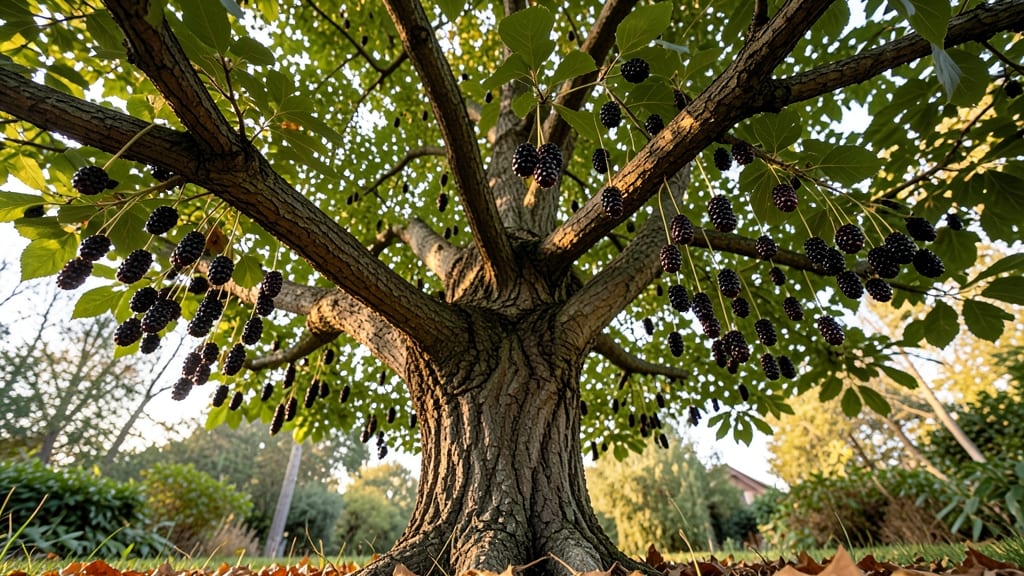
Want a mulberry tree that grows fast and produces buckets of sweet fruit? These 10 high-yield varieties are perfect for home gardens, urban landscapes, and commercial orchards—each offering unique benefits for flavor, productivity, and adaptability.
Illinois Everbearing Mulberry Tree
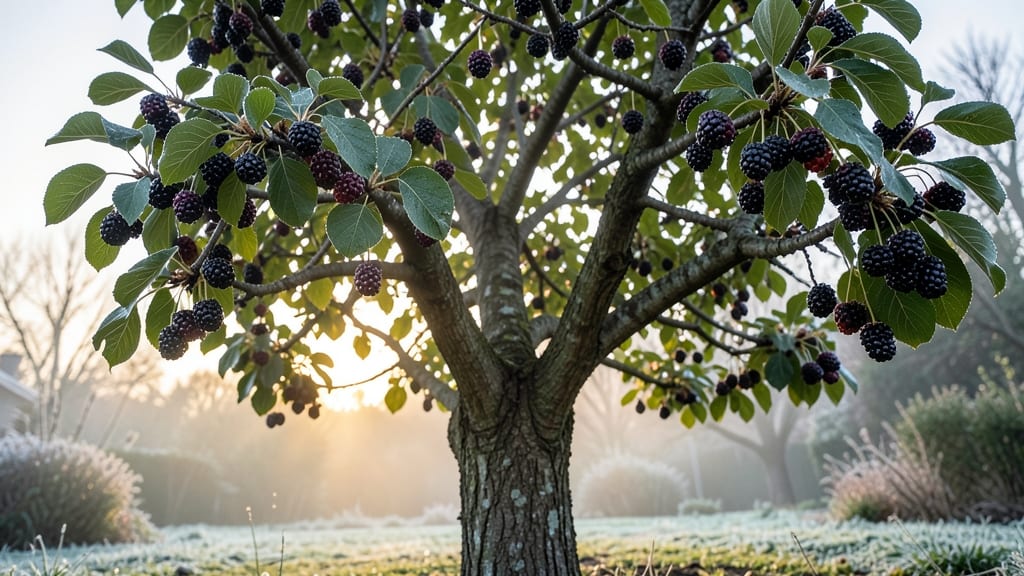
If you live in northern climates where frost lingers late into spring, the Illinois Everbearing Mulberry Tree is your secret weapon for a bountiful harvest. Unlike traditional mulberries that struggle with cold snaps, this variety thrives in USDA zones 4-8, producing fruit twice yearly—once in early summer and again in fall—without needing a second tree for pollination.
This disease-resistant powerhouse requires minimal pesticides, making it a top choice for organic gardens. Its deep purple berries are sweet and juicy, perfect for fresh eating or preserving. Plant in full sun with well-drained soil, and watch it reward you with year-round productivity, even in short growing seasons. 🌱
Black Diamond Mulberry Tree
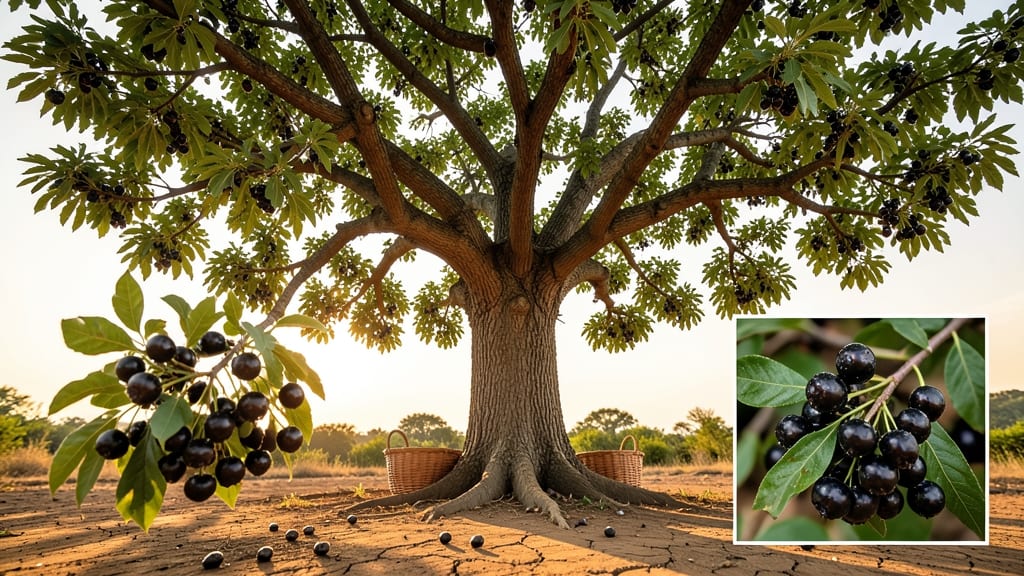
If you live in the Southern U.S. and crave a mulberry tree that delivers massive harvests without fuss, the Black Diamond is your powerhouse. This variety doesn’t just produce fruit—it creates a 200-pound bounty annually, turning your backyard into a berry bonanza. The deep, glossy-black berries are so rich they’re prized for jams, wines, and fresh snacking, with a flavor profile that rivals specialty market offerings.
What sets this tree apart is its heat and humidity tolerance, making it a standout for regions like Florida, Georgia, and Texas where other mulberries wilt. Plant it in full sun with well-drained soil, and it’ll reward you with year-round productivity—though peak harvests occur in late spring and summer. Prune lightly in winter to maintain shape and encourage fruit-bearing branches, but avoid heavy cuts to preserve its vigorous growth.
This tree is ideal for homesteaders, commercial growers, and gardeners who want low-maintenance high yields. Its drought resistance and disease hardiness mean fewer headaches and more berries—perfect for those who want a self-sufficient fruit source without the upkeep of finicky varieties. 🌟
Red Mulberry Tree (Native American Classic)
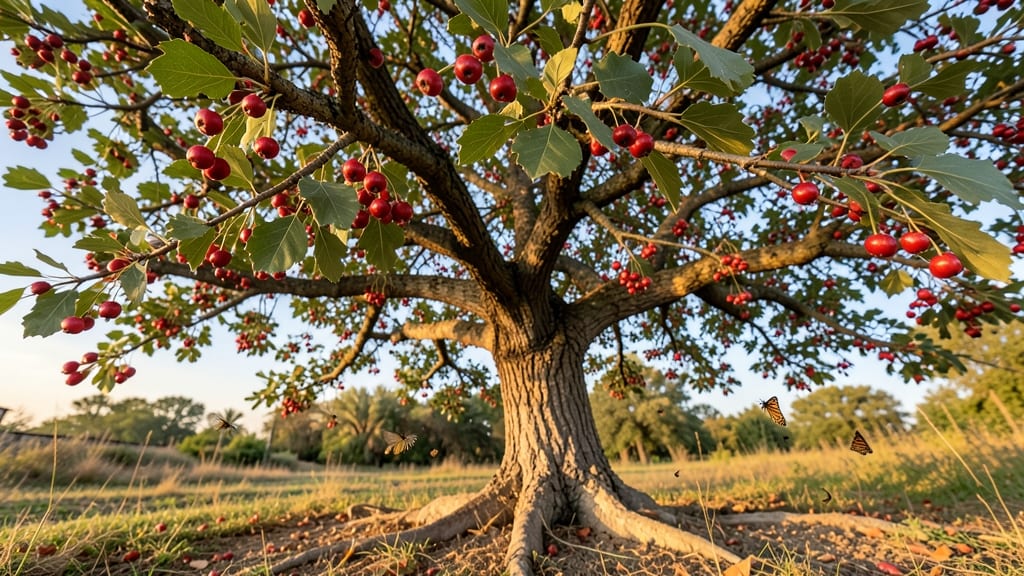
Looking for a mulberry tree that thrives with minimal fuss while supporting local ecosystems? The Red Mulberry is your answer—a native U.S. classic that’s drought-tolerant and a magnet for pollinators like bees and butterflies.
This variety produces smaller, vibrant red berries packed with antioxidants, perfect for wildlife gardens or permaculture systems. It handles poor soil and dry spells better than most mulberries, making it ideal for xeric landscapes or areas with unreliable water access.
Perfect for gardeners who want to nurture native biodiversity while enjoying a low-maintenance, high-value tree. 🌻
Albion Mulberry Tree (White Mulberry)
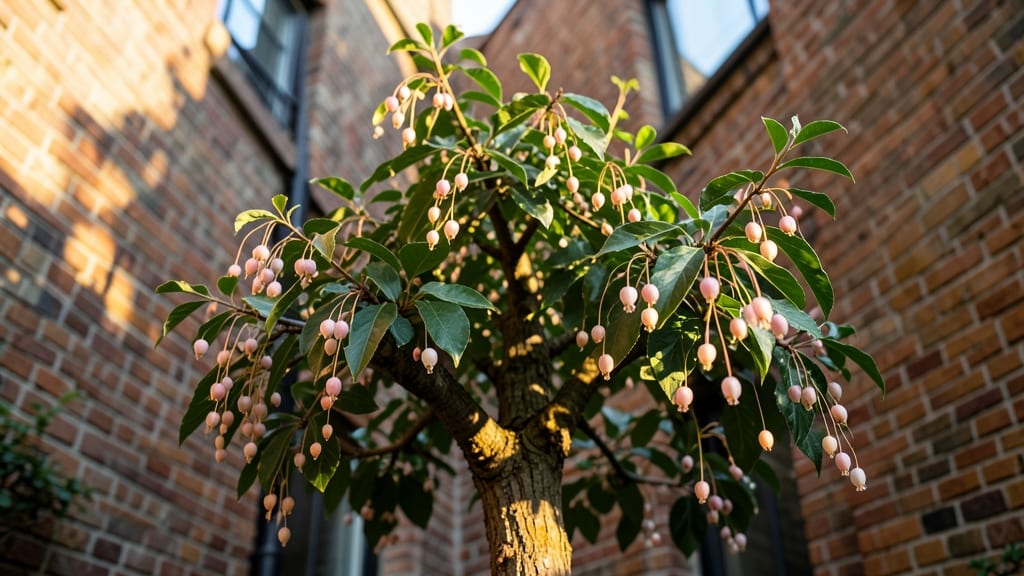
Looking for a mulberry tree that thrives in tight spaces without sacrificing productivity? The Albion Mulberry delivers fast growth and stunning white-pink berries with a delicate, sweet flavor—perfect for urban gardens where traditional varieties might struggle.
This variety grows 20-30 feet tall but adapts well to pruning, making it ideal for small yards or city lots. The berries ripen in late summer, offering a unique pastel contrast against green foliage while attracting pollinators. Historically used for silk production, its mild taste also works fresh in salads or lightly baked goods.
Urban gardeners and small-space growers will appreciate its low-maintenance nature and ability to tolerate pollution and compacted soil—making it a standout for city landscapes. 🌷
Kwanso Mulberry Tree (Dwarf Variety)
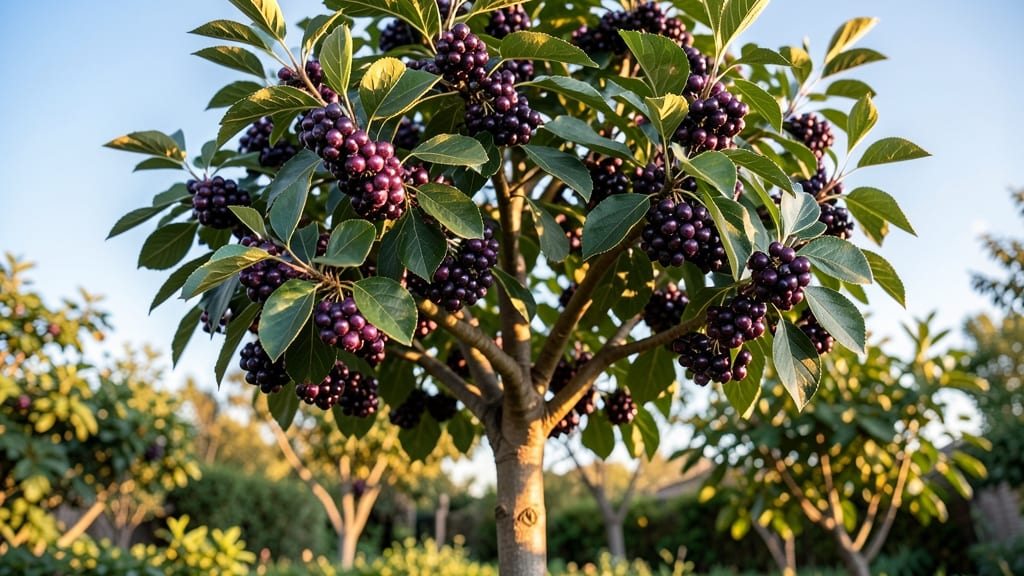
If you’re dreaming of a mulberry tree but lack the space for a full-sized giant, the Kwanso mulberry is your perfect match. This dwarf variety tops out at just 15–20 feet—ideal for small yards, urban balconies, or even large containers.
Its deep purple fruit bursts with a sweet-tart flavor, making it delicious fresh or in preserves. Unlike its larger cousins, Kwanso thrives in partial shade to full sun and adapts well to pruning, keeping its compact shape effortlessly. The tree’s ornamental value shines year-round with glossy foliage and striking berries that persist into winter.
Urban gardeners and patio enthusiasts will love its low-maintenance nature and space-saving growth. Plant it near seating areas to enjoy the harvest without sacrificing yard space. 🌻
Supreme Mulberry Tree (Hybrid Giant)
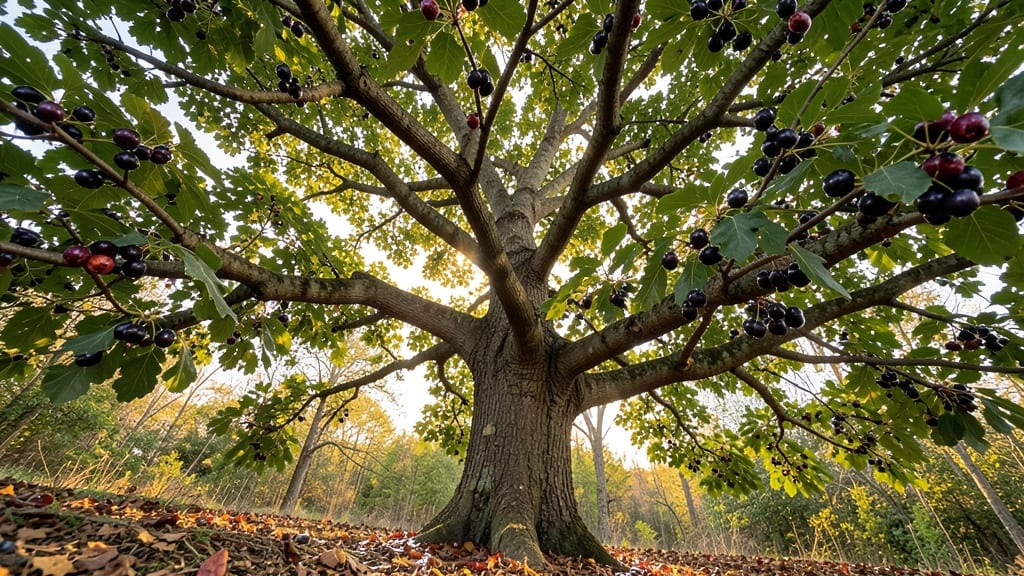
If you're dreaming of a mulberry tree that delivers commercial-level yields without the fuss, the Supreme Mulberry Tree is your game-changer. This hybrid giant combines the best traits of Black and Red mulberries, producing up to 300 pounds of fruit annually—more than most home orchards could ever need.
Its large, sweet berries (deep purple-black) ripen early and resist cracking, making them ideal for fresh eating, jams, or selling at farmers' markets. The tree itself is disease-resistant, so you’ll spend less time spraying and more time harvesting. Plant it in full sun with well-drained soil, and watch it thrive with minimal care—perfect for gardeners who want low-maintenance high rewards.
Whether you're feeding a family, running a small business, or just love abundance, this high-yield hybrid is the ultimate mulberry for serious fruit lovers. 🌟
Amaro Mulberry Tree (Italian Variety)
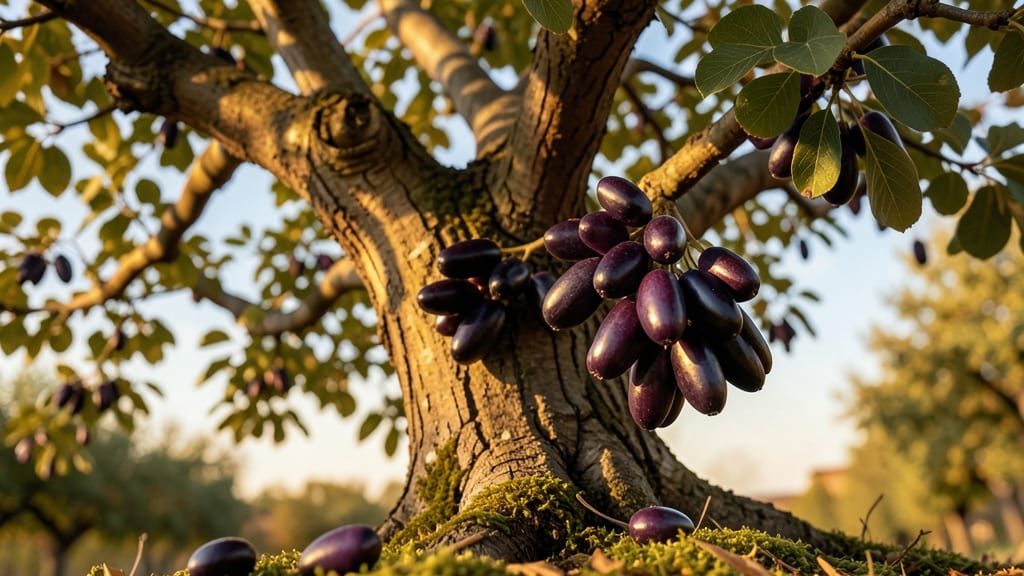
If you're dreaming of a mulberry tree that stands out in both flavor and rarity, the Amaro mulberry is your Italian heirloom treasure. This lesser-known variety delivers elongated, deep purple-black fruit with a honey-sweet taste that gourmet cooks and wine makers adore—think complex flavors beyond your typical mulberry.
Native to Italy, this tree thrives in USDA zones 7-10 and prefers well-drained soil with full sun. The fruit ripens in late summer, offering a longer harvest window than many varieties, and its unique taste makes it perfect for specialty recipes or fermenting. While slower to mature (taking 3-5 years for full production), its distinctive flavor justifies the wait.
Gardeners with a passion for culinary gardening or those seeking a conversation piece in their orchard will love this variety. Its striking fruit clusters add visual drama too! 🌿
Texas Everbearing Mulberry Tree
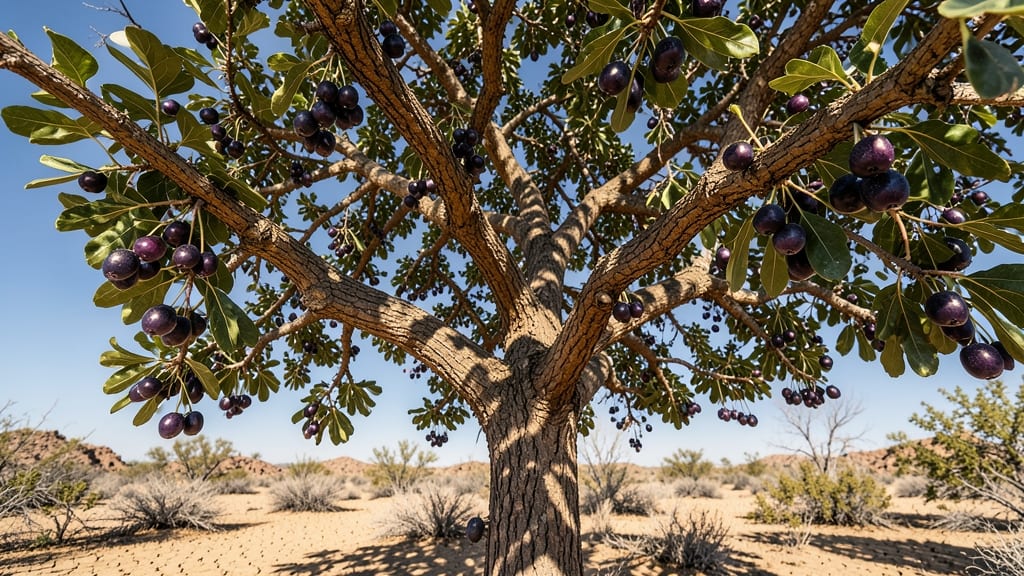
If you live in Texas, Arizona, or other desert regions, the Texas Everbearing Mulberry Tree is your ticket to a thriving fruit harvest without the fuss. Unlike many mulberries that struggle in extreme heat, this variety thrives in arid climates while producing dark purple, sweet berries with a thick skin that resists cracking—even in scorching summers.
This hardy tree delivers two harvests per year and can produce fruit within just 2-3 years of planting. Its drought tolerance means you won’t need constant watering, and the berries stay firm and flavorful until ripe. The tree itself grows to 20-30 feet but can be pruned to manage size, making it adaptable for both rural and suburban spaces.
Perfect for gardeners who want low-maintenance, high-reward fruit trees, this variety is especially great for those who love fresh berries but hate dealing with fragile fruit. Plus, the birds might love them too—but at least you’ll get a taste first! 🌱
Golden Raindrop Mulberry Tree (Dwarf)
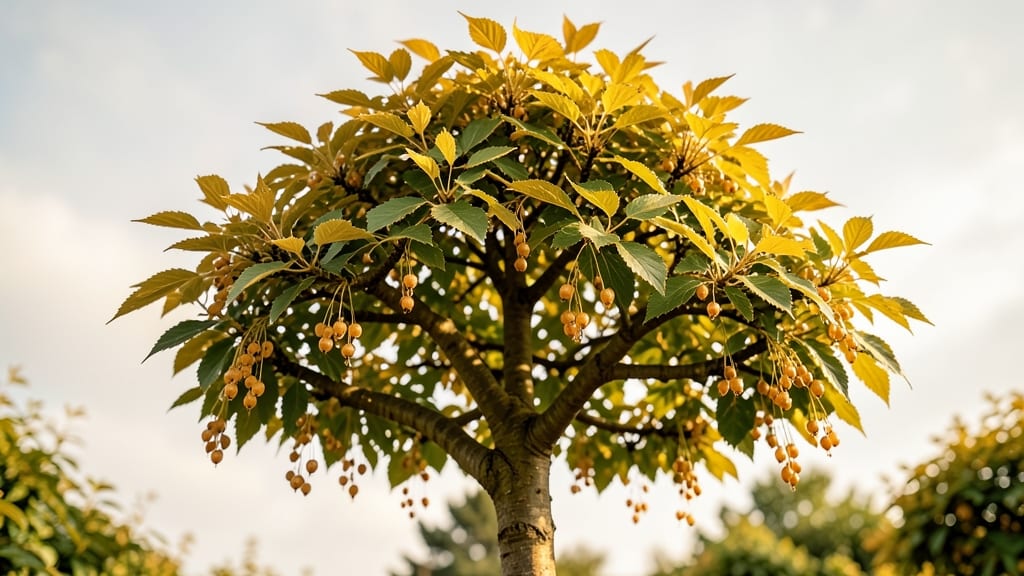
If you’ve ever dreamed of a mulberry tree with a golden glow and a honey-sweet flavor, the Golden Raindrop Mulberry delivers—without the sprawling size. This dwarf variety stays under 10–12 feet, making it ideal for bonsai lovers or tiny urban gardens where space is precious.
The star of this tree is its bright yellow fruit, which ripens to a golden hue and tastes like a cross between a berry and a mild honeydew. Unlike other mulberries, it thrives in partial shade, adapting well to containers or courtyard plantings. Prune lightly in late winter to maintain its compact shape, and enjoy year-round ornamental value with its glossy foliage and cascading branches.
Perfect for bonsai enthusiasts, balcony gardens, or anyone who wants a decorative twist on classic mulberries. Its unique fruit and manageable size make it a standout for small-space growers craving both beauty and harvest. ✨
Chestnut Mulberry Tree (Rare Variety)

If you're hunting for a mulberry tree that feels like a hidden gem, the chestnut mulberry delivers a flavor experience unlike any other. Its conical, chestnut-flavored fruit is smaller but packed with an intense sweetness that sets it apart from traditional varieties.
This rare variety grows slowly (about 12-15 feet tall) but thrives in full sun to partial shade with minimal care. The disease-resistant nature makes it a low-maintenance choice, while its unique fruit earns it a spot in specialty orchards and gourmet gardens. Plant it in well-draining soil and expect a unique harvest that birds won’t easily snatch! ✨