
Trees
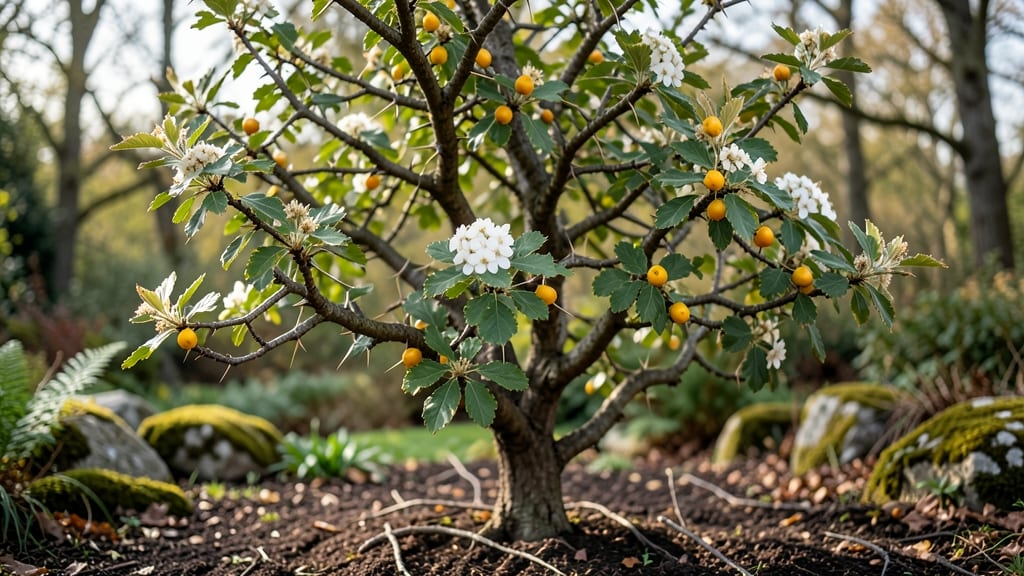
Planting a thorn tree with yellow fruit transforms your yard into a four-season wildlife magnet. 🌿 I’ve grown these tough beauties in zones 3-8, and their glossy evergreen leaves plus bright berries keep birds and neighbors talking year-round—even when other plants are dormant.
The secret to their success is simple: full sun, well-drained soil, and patience. These trees thrive in poor conditions, making them perfect for tough spots where nothing else grows. Just avoid soggy soil, and they’ll reward you with vibrant yellow fruit that lasts into winter.
By late summer, you’ll see clusters of fruit ripening, attracting flocks of birds while adding a pop of color to your landscape. The thorns might deter casual visitors, but they keep deer and rabbits from munching your investment.
Works as a privacy screen, specimen plant, or hedge—just give it space to grow. Here’s how to make it thrive in your yard!
Behind The Yellow Fruit Mystery
If you’ve spotted a thorny evergreen tree adorned with bright yellow fruits and wondered why they appear, the answer lies in a fascinating blend of botany, survival strategies, and environmental cues.
These vibrant fruits aren’t just for show—they play a critical role in the tree’s lifecycle. Let’s break down the science behind their formation and why they turn up when they do.
The primary reason for these yellow fruits is seed dispersal. Thorn trees (often species like Crataegus or Hawthorn, though not all are true thorn trees) produce fleshy fruits to attract wildlife. Here’s how it works:
- Animal Magnet: The bright yellow color and sweet-tart flavor signal birds and mammals that the fruit is edible. Animals eat the fruit, digest the flesh, and unintentionally spread the seeds via their droppings—often miles from the parent tree.
- Timing Matters: Fruits ripen in late summer to fall, aligning with peak migratory and foraging seasons. This maximizes the chance of seeds hitching a ride on migrating birds.
- Thorns as Protection: While the fruits lure animals in, the sharp thorns deter larger herbivores from munching the entire tree. It’s a balanced defense—let the small seed-dispersers feast, but keep the deer and rabbits away.
Actionable Insight: If you’re growing this tree for privacy, plant it near bird-friendly areas. More birds = more seed dispersal = a healthier, more resilient tree population in your neighborhood!
Yellow fruits don’t appear out of thin air—they’re a response to specific environmental conditions. Here’s what kickstarts their development:
| Factor | Why It Matters | Ideal Conditions |
|---|---|---|
| Sunlight | Fruits form on new growth that receives at least 6 hours of direct sunlight daily. Without enough light, the tree diverts energy to leaf production instead. | Full sun (6+ hours) in well-drained soil. |
| Temperature | Cold-hardy species (like Crataegus phaenopyrum) need chilling hours—a period of cooler temps (32–45°F) to trigger flowering and fruiting. Too much heat without a cold snap = no fruits. | Zones 3–8; 400–1,000 chilling hours annually. |
| Water Balance | Drought stress reduces fruit set, while overwatering can lead to fungal issues that kill blossoms. The tree needs consistent moisture without waterlogged roots. | 1–1.5 inches of water per week (drought-tolerant once established). |
Pro Tip: 🌡️ If your tree isn’t fruiting, check its location. Is it in a shady spot or a microclimate that’s too warm? Relocate it to sunnier ground or mulch to regulate soil temps.
No flowers? No fruits. For a thorn tree to produce those eye-catching yellow orbs, it must first flower—and be pollinated. Here’s what can go wrong:
- Lack of Pollinators: Bees, butterflies, and other insects are the primary pollinators. If pesticides are used nearby or pollinator populations are low, flowers may go unpollinated.
- Poor Flowering Conditions: Some cold-hardy species need two years of growth before flowering. Young trees (under 3 years old) may produce flowers but no fruit.
- Environmental Stress: Heavy pruning, transplant shock, or nutrient deficiencies (like low phosphorus) can halt flowering entirely.
Actionable Fix: 🐝 Plant pollinator-friendly flowers nearby (e.g., lavender, coneflowers) to attract bees. Avoid late-season pruning, which removes next year’s flower buds.
In short, those yellow fruits are the result of a perfect storm of biology, climate, and a little help from wildlife. Give your thorn tree the right conditions, and it’ll reward you with a dazzling display—and a privacy screen that’s as functional as it is beautiful.
Revitalize Your Thorn Tree’s Health
If your thorn tree with yellow fruit isn’t thriving, don’t panic—most issues have simple fixes! Below, we’ve mapped common problems to practical solutions, so you can restore your tree’s vibrancy and keep it flourishing for years. Prevention tips are included to stop problems before they start.
Cause: Overcrowded roots, nutrient deficiency, or improper planting depth. Solution: 🔥 Prune aggressively in late winter or early spring to remove dead or crossing branches. Use sterilized pruning shears to avoid disease. 🍳 Amend the soil with compost or a slow-release fertilizer (high in nitrogen for new growth). Mix 2–3 inches of compost into the topsoil around the base. 👨🍳 Check root space—if roots are circling, gently loosen them with a shovel. Mulch with 2–3 inches of organic mulch (like wood chips) to retain moisture and nutrients. ⏰ Plant at the right depth—ensure the root flare (where roots meet the trunk) is just above soil level. 💡 Pro Tip: If your tree is young, consider staking it temporarily to support weak stems until roots establish. Cause: Overwatering, underwatering, or mineral deficiencies (like iron or magnesium). Solution: 🌡️ Adjust watering habits—thorn trees prefer moderate moisture. Water deeply 1–2 times per week (more in extreme heat) and ensure the soil drains well. Yellowing leaves? Check for soggy soil (a sign of root rot). 📊 Test soil pH—ideal range is 6.0–7.0. If too alkaline, amend with sulfur or peat moss. For deficiencies: - Iron chlorosis? Apply iron sulfate or chelated iron. - Magnesium deficiency? Sprinkle Epsom salt around the base (follow package instructions). ✨ Fertilize in stages—use a balanced 10-10-10 fertilizer in early spring and again after fruiting. 💡 Pro Tip: Yellow leaves on new growth often signal nitrogen deficiency. A quick fix? Use a fish emulsion fertilizer for an instant boost. Cause: Spider mites, scale insects, or fungal diseases (like powdery mildew). Solution: 🔪 Spot-treat pests early: - Spider mites? Spray with a strong stream of water to knock them off, then apply neem oil or insecticidal soap. - Scale insects? Scrape off clusters with a plastic scraper, then treat with horticultural oil. 🌡️ Prevent fungal issues by improving airflow (prune dense branches) and avoiding overhead watering. If powdery mildew appears, spray with a baking soda solution (1 tsp baking soda + 1 quart water + a drop of dish soap). 🎯 Strengthen immunity with copper fungicide in early spring to prevent future outbreaks. 💡 Pro Tip: Introduce beneficial insects like ladybugs or lacewings to naturally control pests—no chemicals needed! Cause: Freeze-thaw cycles, poor mulching, or exposure to harsh winds. Solution: 🥶 Protect young trees with burlap wraps or frost cloth during sudden cold snaps. 🌡️ Insulate roots with 4–6 inches of mulch (straw or shredded leaves work well). Avoid piling mulch against the trunk—keep it 6 inches away. 💪 Water before hard freezes—slightly moist soil insulates roots better than dry or soggy soil. 💡 Pro Tip: If branches snap in winter, prune damaged sections in late spring once new growth appears.With these targeted fixes, your thorn tree should bounce back stronger than ever. Consistency is key—monitor soil, water, and foliage regularly to catch issues early. Happy gardening! 🌿
Frequently asked questions
What's the best way to identify a thorn tree with yellow fruit?
Look for spiny branches, evergreen or semi-evergreen leaves, and clusters of small, round yellow fruits in late summer. Common candidates include Hawthorn (Crataegus) species or Yellowhorn (Xanthoceras sorbifolium). Check the leaf shape—Hawthorn has serrated edges while Yellowhorn has broader, maple-like leaves.
Are these trees safe to plant near children or pets?
Most thorn trees have sharp spines that can cause injury, so plant them at least 10 feet away from play areas. The fruits are generally safe for wildlife but may cause mild stomach upset if ingested in large quantities by pets. Always supervise children around spiny plants.
How fast do these trees grow, and when will they produce fruit?
Growth varies by species, but most thorn trees grow 12-24 inches per year. Fruit production typically begins after 3-5 years of establishment, provided they receive full sun and proper care. Young trees need patience—focus on proper pruning and soil prep first.
Can I grow this tree in containers?
Smaller varieties like Crataegus phaenopyrum can thrive in large containers (minimum 24-inch diameter) with well-draining soil. Use a mix of potting soil and compost, and ensure the container has drainage holes. Container-grown trees may fruit slightly later than in-ground plants.
What's the best time to prune for fruit production?
Prune late winter or early spring (before buds swell) to shape the tree and remove dead wood. Avoid heavy pruning in summer as it can reduce next year's fruit set. Focus on opening the center for better airflow and sunlight penetration.