
Pests
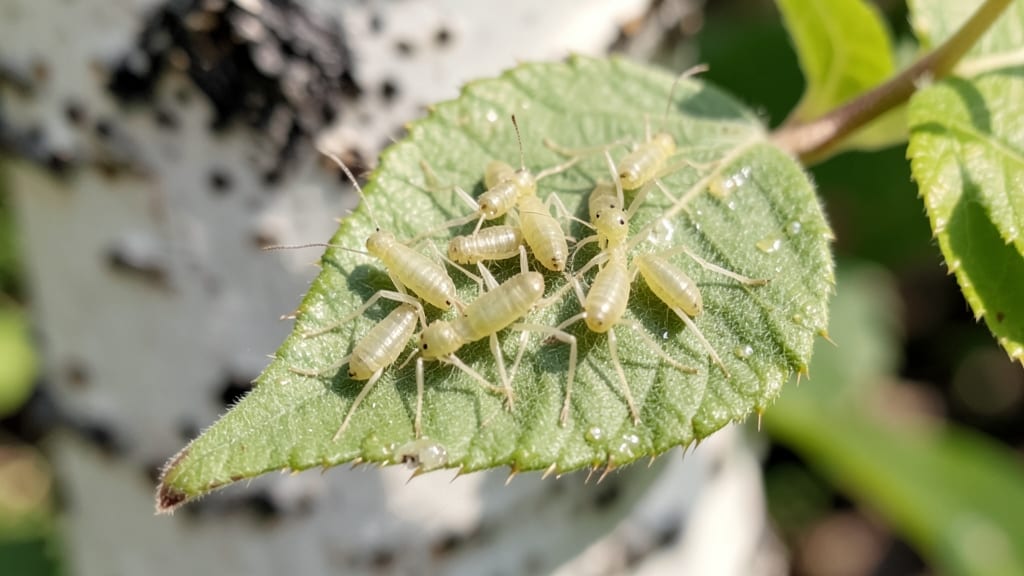
Birch tree aphids turn your graceful birch into a sticky, leaf-curling mess faster than you can say "sap-sucking pests." 🌳 I've battled these tiny green invaders on my white birch, and I'm sharing the fast-acting organic sprays that clear them out without harming the tree.
The first sign? A shiny, honeydew-like residue on leaves and bark—aphids' sugary waste. Left unchecked, they weaken the tree, stunt new growth, and attract ants. But the good news is these pests respond quickly to targeted sprays like neem oil or horticultural oil, which smother them without chemicals.
Within 3-5 days of treatment, you'll see fewer aphids, fresh green leaves emerging, and that signature birch bark looking crisp again. The key is consistency—reapply every 7-10 days until the infestation disappears completely.
This method works for all birch varieties, from paper birch to river birch, and keeps your tree thriving while supporting the local ecosystem. Let's get those aphids under control!
Root Causes Of Sap-Sucking Outbreaks
Birch trees are a magnet for tiny, sap-sucking pests—but why do these infestations flare up so aggressively? The answer lies in a mix of environmental triggers, tree stress, and the aphids' own survival strategies.
Understanding these root causes helps you disrupt their life cycle before they take over. Here’s why your birch trees might be under siege:
Birch trees with dense foliage or weak branch structures provide the perfect shelter for aphids. These pests thrive in tight clusters where they can:
- Evade predators: Birds and ladybugs struggle to reach aphids hidden deep in leaf curls or bud clusters.
- Share honeydew: Aphids excrete sticky honeydew, which attracts ants (their protectors). More aphids = more ants patrolling the tree.
- Regulate humidity: Dense canopies trap moisture, extending aphid survival rates during dry spells.
Actionable fix: Prune branches to improve airflow and sunlight penetration. Aim for a 30% open canopy to deter aphid colonization. 💡 Focus on removing dead or crossing branches first—they’re aphid hotspots.
Aphids are cold-blooded, and their life cycle accelerates with temperature. Here’s how warmth fuels outbreaks:
| Temperature Range | Effect on Aphids |
|---|---|
| 40–50°F (4–10°C) | Slow growth; overwintering eggs hatch. |
| 50–65°F (10–18°C) | Explosive reproduction: A single aphid can produce 50–80 offspring in 2 weeks. |
| 70°F+ (21°C+) | Peak activity; honeydew production spikes, attracting ants. |
Actionable fix: Monitor local forecasts. If warm spells hit early in spring, apply preventive sprays (like neem oil) before aphids establish colonies. ⏰ Timing is critical—waiting until you see aphids means they’ve already multiplied.
Aphids target stressed trees because they’re easier to exploit. Look for these warning signs of nutrient deficiency:
- Yellowing leaves (chlorosis): Low nitrogen makes leaves palatable and aphids more aggressive.
- Stunted growth: Weak sap flow = aphids can drain the tree faster.
- Soil compaction: Roots struggle to absorb water/nutrients, signaling distress.
Scientific link: Aphids produce salivary enzymes that break down plant cell walls, but nutrient-deficient trees can’t repair damage quickly. This creates a feedback loop: more feeding = more stress = more aphids.
Actionable fix: Test soil pH (ideal: 5.0–6.5 for birch) and amend with compost or a balanced fertilizer (10-10-10). 🌱 Pro tip: Apply kelp meal—it boosts natural defenses and deters pests.
Ants don’t just ignore aphids—they herd them. Here’s how their partnership works:
- Ants "milk" aphids: They stroke aphids to trigger honeydew production, then carry it back to their nests as food.
- Ants guard colonies: They attack predators (like lacewings) that threaten aphids.
- Ants spread aphids: Worker ants carry aphids to new branches, creating metapopulations across the tree.
Actionable fix: Disrupt this duo with borax bait stations (mix borax, sugar, and water) placed near ant trails. 🔥 Warning: Avoid harming beneficial insects—target only large black ants (likely the culprits).
Global warming and erratic weather patterns are extending aphid seasons. Key factors:
- Milder winters: Fewer aphids die off, leading to larger spring populations.
- Heavy rains followed by drought: Sudden moisture boosts aphid reproduction, then drought weakens trees.
- Invasive species: Non-native aphid strains (e.g., Chaitophorus spp.) have no natural predators in North America.
Actionable fix: If your region is prone to climate swings, install tree wraps in late fall to physically block overwintering eggs. 🎯 Bonus: Wraps also deter sapsucking insects like emerald ash borers.
Quick Fixes for Sap-Sucking Tree Invaders
If your birch trees are under siege by tiny, sticky pests, don’t panic—there are effective, organic ways to reclaim your trees without harsh chemicals. The key is acting fast and targeting the root causes (literally and figuratively).
Below, we break down the most common triggers for aphid outbreaks and the practical solutions to stop them in their tracks. Plus, we’ll share prevention tips to keep those sap-suckers from returning.
When birch trees are weak—due to poor spacing, drought, or nutrient deficiencies—they become aphid buffets. These pests love easy meals, and stressed trees can’t fight back as well.
🔪 Step 1: Thin Out the Canopy
- How: Remove 10–20% of the smallest, innermost branches to improve airflow and sunlight penetration.
- When: Late winter or early spring (before aphids arrive) or immediately if you spot infestations.
- Pro Tip: 💡 Use sterilized pruners to avoid spreading disease. Seal larger cuts with pruning sealant.
💧 Step 2: Hydrate & Fertilize
- Water Deeply: Birch trees need 1–1.5 inches of water per week (more in drought). Focus on the root zone, not just the leaves.
- Feed Right: Use a balanced organic fertilizer (like 10-10-10) in early spring. Avoid high-nitrogen fertilizers—they attract more aphids!
- Mulch: Apply 3–4 inches of organic mulch (wood chips or shredded bark) around the base to retain moisture and regulate soil temp.
🛡️ Step 3: Boost Natural Defenses
- Neem Oil Spray: Mix 1 tbsp neem oil + 1 tsp mild soap per gallon of water. Spray undersides of leaves (where aphids hide) every 5–7 days until the infestation clears.
- Beneficial Insects: Introduce ladybugs, lacewings, or parasitic wasps (available at garden centers). They devour aphids naturally!
That glossy, sticky residue on your trees isn’t just gross—it’s a sign of aphid activity. Left unchecked, it can lead to sooty mold, which blocks sunlight and weakens your trees.
🧼 Step 1: Blast Away the Mess
- Hose Them Off: Use a strong stream of water to knock aphids off leaves. Do this early in the morning to avoid damaging tender leaves.
- Scrub Tough Spots: For heavy infestations, mix 1 cup rubbing alcohol + 1 tsp dish soap per gallon of water. Spray directly on aphid clusters (they’ll drop off within hours).
🌧️ Step 2: Prevent Sooty Mold
- Rinse Leaves: After treating aphids, spray leaves with plain water to wash away honeydew.
- Prune Affected Branches: If sooty mold is widespread, trim and dispose of heavily coated branches (don’t compost them—they’ll spread spores).
🌱 Step 3: Break the Cycle
- Reflective Mulch: Place aluminum foil or reflective mulch around the tree base. The glare disorients aphids and deters them from landing.
- Companion Planting: Surround birch trees with garlic, chives, or marigolds. Their strong scents repel aphids naturally.
If aphids keep coming back, you’re dealing with a persistent ecosystem issue. These pests thrive in monoculture gardens or areas with frequent disturbances (like construction or heavy foot traffic). Here’s how to break the cycle for good.
🌳 Step 1: Diversify Your Landscape
- Plant Aphid-Repelling Species: Add rosemary, lavender, or catnip nearby. Aphids hate their scent.
- Avoid Overplanting Birch: If possible, space trees at least 15–20 feet apart to reduce stress and competition.
🕵️ Step 2: Trap & Remove Eggs
- Inspect in Late Fall: Aphids lay eggs on tree bark and buds. Scrape off and destroy any egg masses you find (use a plastic bag to collect them).
- Apply Diatomaceous Earth: Lightly dust tree bark and buds with food-grade DE in late winter. It dehydrates eggs before they hatch.
🛡️ Step 3: Soil & Fungal Control
- Mycorrhizal Fungi: Add mycorrhizal inoculant to the soil. These beneficial fungi strengthen tree roots and improve pest resistance.
- Avoid Overwatering: Soggy soil attracts aphid-friendly fungus gnats. Ensure proper drainage with raised beds or gravel if needed.
- 🌡️ Monitor with Yellow Sticky Traps: Hang yellow cards coated with petroleum jelly near trees. Aphids are drawn to yellow and get stuck.
- ✨ Early Detection: Check new growth and leaf undersides weekly in spring. Catching aphids early = easier eradication.
- 🚫 Avoid Broad-Spectrum Sprays: Chemicals like malathion kill beneficial insects. Stick to targeted organic solutions to protect your tree’s ecosystem.
With these cause-specific fixes, your birch trees can bounce back faster—and stay aphid-free for seasons to come. The key? Act fast, strengthen your trees, and disrupt the aphid lifecycle before it starts. Happy gardening! 🌳💚
Frequently asked questions
How do I tell if my birch tree has aphids?
Look for tiny green or black clusters on new leaves or stems, and check for sticky honeydew residue on leaves or bark. Curled or yellowing leaves are another sign—aphids suck sap, weakening the tree. Examine leaf undersides first, where they hide.
Will neem oil harm my birch tree?
No, neem oil is safe for birch trees when used correctly. Mix 1 tablespoon per gallon of water with a drop of mild soap as an emulsifier. Apply in early morning or late afternoon to avoid leaf burn, and reapply every 5-7 days until aphids disappear.
Why do ants protect aphids?
Ants "farm" aphids because they feed on honeydew—the sugary waste aphids produce. The ants stroke aphids to trigger more honeydew, then carry it back to their nests. To break this partnership, use borax bait stations near ant trails or apply sticky barriers on tree trunks.
Can I use soap spray on birch trees?
Yes, but use mild castile soap (like Dr. Bronner's) mixed with water (1 teaspoon per quart). Avoid harsh dish soaps, which can damage leaves. Test on a small branch first, and apply when aphids are active (early morning). Reapply every 3-5 days until infestation clears.
How long does it take to eliminate birch tree aphids?
With consistent treatment, you'll see visible reduction in 3-5 days and full elimination in 2-3 weeks. The key is persistence—aphids reproduce quickly, so reapply sprays every 7-10 days until no new clusters appear. Combine treatments for faster results.