
How To
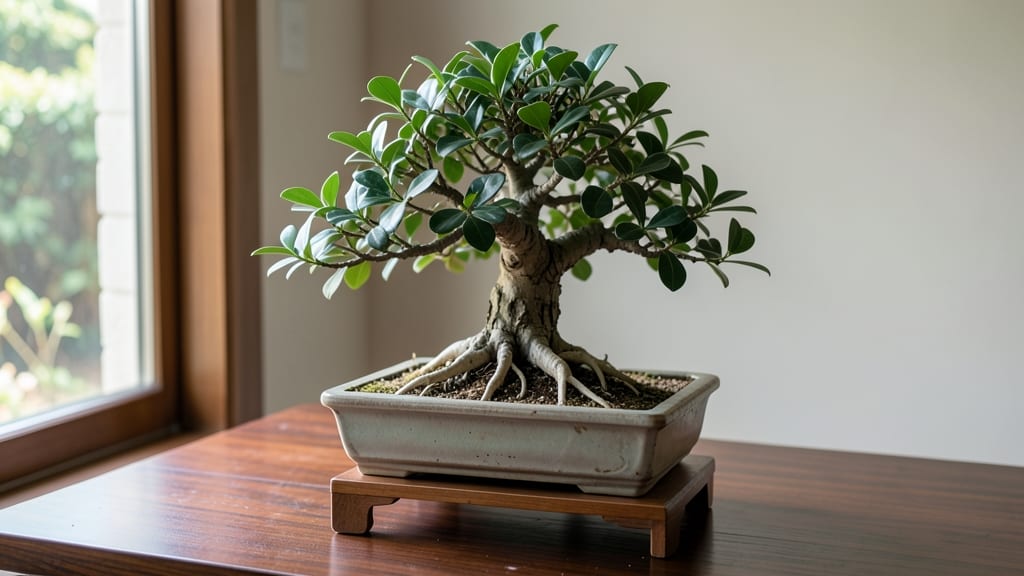
A bonsai tree grows how tall do they grow to heights between 6 inches and 3 feet, depending on the species and how you prune it—far smaller than its wild cousins but packed with the same artistry.
Ever wondered why some bonsai trees stay the size of a coffee mug while others stretch toward your waist? The answer isn’t just luck—it’s a mix of species selection, pruning discipline, and a little patience.
For example, a juniper bonsai might max out at 18 inches, while a ficus could reach 24 inches if left unchecked. But here’s the catch: without the right techniques, even a dwarf variety can grow wild.
In this guide, I’ll break down the natural height ranges of popular bonsai species, the pruning secrets that keep them small, and the five unexpected factors most growers overlook—like soil type and light exposure—that can make or break your tree’s size.
Whether you’re aiming for a miniature masterpiece or a classic bonsai, you’ll learn how to control growth without sacrificing health.
Ready to turn your bonsai into the perfect tabletop centerpiece? Let’s dive into the species, tools, and timing that make the difference between a runaway sapling and a stunning, stunted work of art.

Natural height ranges of popular bonsai tree species (with growth secrets)
One of the most fascinating aspects of bonsai cultivation is how dramatically their heights vary by species. While all bonsai are intentionally kept small, some naturally stay under 12 inches while others can reach nearly 3 feet with proper care.
The key lies in understanding each species' genetic growth potential and how to work with—not against—it through pruning cycles and root restriction.
For example, a juniper bonsai typically matures between 12-18 inches, while a ficus retusa can comfortably grow to 15-24 inches when given the right conditions. The difference isn't just about size—it's about growth habits, foliage density, and how each species responds to wiring and pruning.
Let's explore the natural height ranges and the secrets to maintaining them.
🌱 Pro Tip: Always measure your bonsai's height from the soil line to the highest branch tip for accurate tracking. This ensures consistency when comparing growth over time.
| Species | Natural Mature Height (inches) | Dwarf Variety Height (inches) | Pruning Frequency | Root Restriction Technique |
|---|---|---|---|---|
| Juniper (Procumbens) | 12-18 | 8-12 | Every 3-4 weeks (spring/summer) | Shohin pots (3-6 inches) |
| Ficus Retusa (Ginseng) | 15-24 | 10-14 | Every 4-6 weeks (year-round) | Root pruning every 2 years |
| Azalea (Indica) | 6-12 | 4-8 | After flowering (late winter) | Surface root display |
| Pine (Black or White) | 24-36 | 12-18 | Pinch new growth weekly | Layering for trunk thickness |
| Chinese Elm | 18-24 | 10-14 | Every 5-6 weeks (spring) | Wire training for branches |
The juniper bonsai, for instance, thrives in shohin-style pots (3-6 inches) where its natural spreading habit is encouraged. Its needle-like foliage allows for dense branching, making it ideal for miniature landscapes.
Meanwhile, the ficus retusa—often called the "bonsai beginner's tree"—can handle more aggressive pruning, which is why it often grows taller if not managed carefully.
If you're aiming for a dwarf variety, focus on root restriction techniques like root pruning every 2 years or using shallow trays to limit vertical growth. For example, azaleas naturally stay under 12 inches but benefit from surface root displays that encourage outward rather than upward growth.
🌿 Key Insight: The pine bonsai is a classic example of how pruning cycles must adapt to the species. While it can reach 3 feet in nature, bonsai pines are typically kept between 24-36 inches through weekly pinching of new growth and layering techniques to thicken the trunk.
For Chinese elm bonsai, which often matures between 18-24 inches, the secret lies in wire training during early growth stages. This technique allows you to shape branches while they're still flexible, preventing them from growing too long or unevenly.
I recommend using aluminum or copper wire (never plastic) and removing it within 3-6 months to avoid
How to control bonsai tree height: pruning, wiring, and grafting techniques
Controlling your bonsai tree height requires precision and patience. The key lies in understanding three core techniques: strategic pruning, wiring for trunk shaping, and grafting for dwarf varieties.
Each method serves a unique purpose in maintaining your tree's miniature stature while ensuring its health. Let's explore how to master these techniques without causing irreversible damage.
First, timing is everything. Spring pruning encourages new growth, while summer pruning helps refine shape and control height. For example, a juniper bonsai might need two pruning sessions per year—one in early spring to remove unwanted branches and another in late summer to shape the canopy.
Always use sharp, clean bonsai shears to avoid tearing the bark, which can introduce diseases.
⚠️ callout warning ⚠️
Over-pruning can stunt growth permanently. Never remove more than 1/3 of the foliage in a single session. Root pruning should also be done every 2-3 years to maintain size, but avoid doing it annually—this stresses the tree unnecessarily.
✅ Pro Tip: Always prune just above a leaf node or bud to encourage new growth in the right direction.
Wiring is another powerful tool for controlling height and shaping trunks. Use aluminum or copper wire to gently guide branches into desired positions. Start by wrapping the wire around the trunk or branch, leaving room for growth—never wire too tightly, as it can gouge the bark as the tree thickens. For height control, focus on raising or lowering branches to create balance and prevent the tree from growing too tall.
Grafting is the advanced technique for creating dwarf varieties. By attaching a scion (a small cutting) onto a rootstock of a slower-growing species, you can produce a bonsai that stays 8-12 inches tall even as it matures.
For instance, grafting a ficus scion onto a juniper rootstock can yield a tree with the best of both worlds—ficus's lush foliage and juniper's compact growth habit.
To avoid irreversible damage, always monitor your bonsai's health after pruning or wiring. Yellowing leaves or stunted growth are signs of stress. Adjust your techniques accordingly—reduce pruning frequency if the tree looks weak, or loosen wires if they're cutting into the bark.
With practice, you'll find the perfect balance between height control and plant vitality.
Remember, bonsai height management is an ongoing process. Regularly reassess your tree's needs and adjust your approach as it grows. Whether you're pruning, wiring, or grafting, always prioritize the tree's health over aesthetic perfection.
Your patience and care will reward you with a stunning miniature masterpiece that stays the size you envision. 🌿