
Size
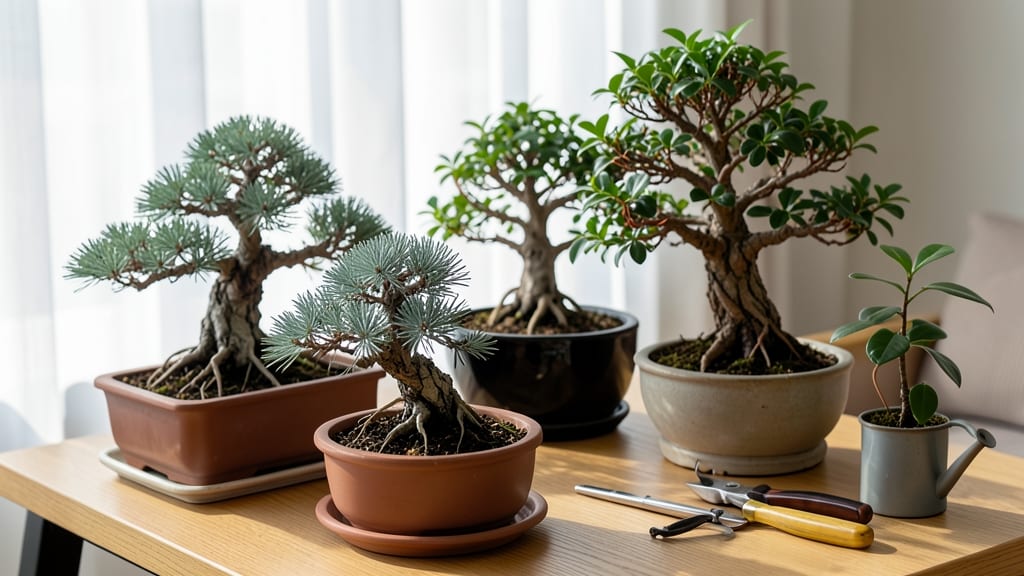
A bonsai tree grows to just 1–3 feet tall—far smaller than its wild counterpart—thanks to centuries-old techniques that shape its size and shape over time.
Ever wondered how a bonsai tree—often just a few inches tall—can stay that way for decades while its wild cousin grows into a towering giant? The answer lies in ancient techniques, species selection, and patient care.
If you're dreaming of a miniature forest on your windowsill, understanding how tall your bonsai can grow—and how to control that growth—is your first step to mastery. Some species naturally stay tiny, while others need careful pruning and training to prevent them from reaching unwanted heights.
In this guide, we’ll break down everything you need to know: from the typical heights of popular bonsai species to the pruning secrets that keep them small, plus common mistakes that make your bonsai grow too tall.

Bonsai tree height by species: what to expect in miniature form
When you picture a bonsai tree, you likely imagine a delicate, miniature masterpiece that fits perfectly on a windowsill. But not all bonsai species stay the same height—some naturally grow taller than others, even with careful pruning.
The mature height of your bonsai depends entirely on the species you choose, as well as how you train it over time. For example, a juniper bonsai might stay under 12 inches, while a ficus bonsai could reach 24 inches with proper care.
Understanding these differences helps you set realistic expectations for your miniature garden.
Bonsai trees are created from full-sized trees, so their natural growth habits play a huge role in their final size. Deciduous trees like maple or elm tend to grow faster and can reach slightly taller heights compared to evergreens like pine or juniper.
Even within a species, some varieties grow more aggressively than others. For instance, a Chinese elm bonsai might top out at 18 inches, while a Japanese black pine stays compact at just 6-12 inches. The key is selecting a species that aligns with your vision for size and maintenance level.
If you're a beginner, starting with a ficus or azalea bonsai is a smart choice. These species are forgiving and grow at a pace that allows you to learn techniques like pruning and wiring without frustration.
A ficus bonsai, for example, can reach 12-24 inches but responds well to regular pruning, making it easier to maintain your desired height.
On the other hand, pine bonsai varieties like the Japanese black pine are stunning but require patience—expect their growth to be painfully slow, often taking years to reach just 6 inches.
Their needle-like foliage and rugged bark make them a favorite among advanced growers, but their miniature stature comes at the cost of time.
Some species, like the Chinese elm, strike a balance between manageable growth and aesthetic appeal. They typically stay between 12-18 inches tall and develop beautiful, textured bark over time. Another great option for beginners is the serissa bonsai, which rarely exceeds 8 inches and thrives in indoor conditions.
Its delicate white flowers add a touch of elegance, making it perfect for small spaces. However, serissa bonsai require consistent humidity, so misting or using a humidity tray is essential to keep them healthy.
For those who love a challenge, deciduous bonsai like Japanese maple offer a rewarding experience. These trees can grow up to 20 inches tall but develop stunning fall foliage that changes color dramatically. The trade-off
Factors that control bonsai tree height: pruning, training, and species traits
When I first started growing bonsai, I was amazed at how a Juniper bonsai could stay just 6 inches tall for years while its wild relative grows 50 feet. The secret isn't magic—it's science combined with artistic patience.
Your bonsai's height isn't determined by luck but by three key factors: pruning techniques, training methods, and the species traits you choose. Let's break down how each one works together to create your miniature masterpiece.
First, let's talk about pruning, the most direct way to control height. There are two types that matter most: crown pruning (trimming branches and leaves) and root pruning (reducing root growth).
When I prune my Ficus bonsai back by 1/3 each spring, it sends energy into thickening the trunk rather than growing taller. Root pruning every 2-3 years prevents the roots from growing too large, which would otherwise force upward growth.
The key is timing—prune just before the growing season begins in spring.
Pruning Techniques
• Crown pruning removes top growth to limit height—prune 1/3 of new growth in spring
• Root pruning every 2-3 years prevents upward pressure—trim 1/4 of roots before repotting
• Defoliation (removing leaves) forces energy into trunk thickening—use on deciduous species only
Next comes training methods, where wiring and positioning become your best friends. I use aluminum bonsai wire to gently shape branches into horizontal layers, which naturally slows vertical growth. The wire creates tension that encourages the tree to grow outward rather than upward.
For my Maple bonsai, I leave the wire on for just 3-4 months—too long and it scars the branches. Positioning also matters: placing your bonsai in bright indirect light (like an east-facing window) prevents leggy growth that happens when trees stretch toward weak light.
The third factor—species traits—is where nature takes over. Evergreen bonsai like Pine or Juniper grow slowly naturally, making them ideal for small sizes. But deciduous trees like Maple or Elm grow faster and need more aggressive pruning.
I remember my first Chinese Elm bonsai nearly doubled in height its first year! The solution was switching to root pruning every spring and using defoliation in summer to control its vigor. Even within species, genetics play a role—some trees are naturally more compact.
Don't forget about environmental factors like humidity and temperature. My Ficus bonsai grows faster in my humid bathroom than my dry living room. In winter, many bonsai enter dormancy, so I reduce watering and stop fertilizing—this slows all growth, including height.
The right soil mix matters too: a blend with akadama and pumice drains well, preventing root-bound conditions that force upward growth. When I repot my trees every 2-3 years, I refresh this mix to maintain control.
Here's my pro tip: combine these factors strategically. For example, I prune my Juniper bonsai lightly in spring, wire it in summer, and defoliate in early fall. The result? A tree that stays under 12 inches while developing beautiful trunk curvature.
Remember, bonsai growth is a balance—too much pruning stunts health, but too little lets it grow wild. Start with small adjustments and observe how your tree responds. With time, you'll develop an intuitive sense of when to guide and when to let nature take its course.
🌿