
Flowers
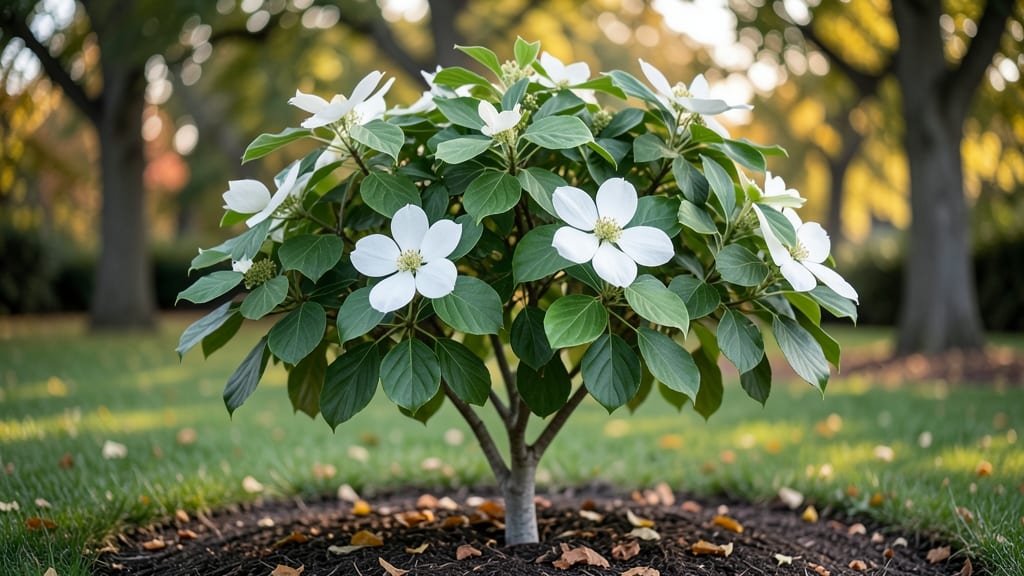
Trees with red berries and white flowers are the unsung heroes of year-round gardens—they feed birds, attract pollinators, and add bold color when other plants fade. 🌸 My favorite, the winterberry holly, bursts with crimson berries in winter while its white spring blooms feed bees.
The contrast alone makes it a showstopper, but the wildlife benefits seal the deal. These shrubs thrive in borders, hedges, or as focal points near seating areas where you can enjoy their four-season interest.
Pair them with evergreens like inkberry holly for winter structure or plant near hostas and ferns for shade-loving companions. The white flowers also brighten spring gardens when tulips and daffodils start to fade.
By mid-fall, the red berries become a feast for cardinals and robins, turning your yard into a winter buffet. The berries often persist until spring, long after most plants have lost their seasonal appeal.
For a pollinator paradise, add native perennials like bee balm or coneflowers nearby—they’ll keep the buzzing visitors coming all season. Perfect for small spaces or large landscapes, these shrubs offer low-maintenance beauty with high impact.
Whether you’re designing a wildlife-friendly garden or just want a standout shrub, this combo delivers color, texture, and life from bloom to berry. Let’s find your perfect match!
Nature’s Colorful Timing Triggers
If you’re admiring a tree adorned with red berries and white flowers, you might wonder why it combines these two striking features so beautifully. The answer lies in the plant’s life cycle, pollination strategies, and seasonal adaptations. Let’s break down the science behind this vibrant display.
Many trees with red berries and white flowers follow a two-stage reproductive cycle—one for pollination and another for seed dispersal. Here’s how it works:
- Spring/Summer (White Flowers): The tree blooms with white flowers to attract pollinators like bees, butterflies, and hummingbirds. The bright white color enhances visibility, while sweet nectar rewards visitors. This is the pollination phase, where pollen is transferred to fertilize flowers.
- Fall/Winter (Red Berries): After successful pollination, the flowers develop into berries. The red color acts as a visual signal to birds and mammals, encouraging them to eat the berries and disperse seeds. The berries also provide a food source during lean months.
Pro Tip: 🌡️ If you notice berries forming after the flowers fade, it confirms the tree is following this natural sequence. Some species, like Pyracantha or Viburnum, are masters of this timing.
White flowers are a pollinator magnet because they reflect UV light, which many insects can see. Here’s why this matters:
| Pollinator Type | Why White Flowers Work | Example Trees |
|---|---|---|
| Bees | UV patterns guide them to nectar-rich blooms. | Hawthorn, Serviceberry |
| Butterflies | Bright white contrasts with foliage, making flowers stand out. | Viburnum, Dogwood |
| Hummingbirds | White flowers often have red throats (like Cornus), mimicking nectar signals. | Red Osier Dogwood |
Once pollination succeeds, the tree shifts focus to seed dispersal, hence the red berries. This two-part strategy ensures survival by maximizing both reproduction and seed spread.
Red berries aren’t just pretty—they’re evolutionary survival tools. Here’s how they help:
- Animal Foraging: Birds and mammals are drawn to red berries, which they eat and later excrete (seeds intact). This free advertising spreads seeds far from the parent plant.
- Nutrient Storage: Berries often contain fats and sugars, providing energy for wildlife during winter. The tree “trades” its seeds for a meal.
- Predator Deterrence: Some berries are bitter or toxic until fully ripe, ensuring they’re only eaten when seeds are ready to travel.
Fun Fact: 🎯 Trees like Pyracantha (Firethorn) produce berries that stay on the branches for months, acting as a winter food bank for birds.
By understanding these natural triggers, you’ll appreciate how red berries and white flowers aren’t just coincidental—they’re a perfectly timed survival strategy! 🌸🍒
Revive Your Blooming Beauty
If your tree with red berries and white flowers isn’t thriving, don’t panic! With the right care, you can restore its vibrancy and keep it healthy for years. Below are targeted solutions for common issues, from overwatering to pests, along with prevention tips to keep your shrub flourishing.
If your shrub’s leaves are yellowing or the soil feels soggy, it’s likely getting too much water. Poor drainage can suffocate roots, leading to root rot or stunted growth.
#### 🔥 Step-by-Step Fix: - 👨🍳 Test the Soil: Stick your finger 2–3 inches into the soil. If it’s damp, wait before watering again. - 🥘 Improve Drainage: Amend heavy clay soil with compost or perlite to help water flow freely. - ⏰ Water Wisely: Water deeply but infrequently—once a week (or less in rainy seasons) is usually enough. - 🔪 Prune Affected Areas: Trim back any mushy or discolored roots to prevent further damage. #### 💡 Prevention Tips: - Plant in well-draining soil or raised beds. - Use mulch (2–3 inches) to retain moisture without suffocating roots. - Avoid watering at night to reduce fungal risks.Drooping leaves or crispy edges? Your shrub may be thirsty or struggling with heat. While these plants are drought-tolerant, extreme conditions can still take a toll.
#### 🔥 Step-by-Step Fix: - 🍳 Hydrate Deeply: Water at the base until moisture reaches 6–8 inches down. - 🌡️ Provide Shade: Use shade cloth (30–50%) during peak afternoon sun if your area gets scorching heat. - 🥗 Mulch Generously: Spread mulch around the base (but not touching the trunk) to lock in moisture. - 💦 Mist Leaves (Temporarily): Lightly mist foliage in extreme heat to cool the plant (avoid doing this at night to prevent fungal growth). #### 💡 Prevention Tips: - Choose a location with partial shade if you live in a hot, dry climate. - Water early in the morning to reduce evaporation. - Group plants together to create a microclimate with shared moisture.Whiteflies, aphids, or fungal spots on leaves? Pests and diseases can drain your shrub’s energy, leading to fewer flowers and berries.
#### 🔥 Step-by-Step Fix: - 🔪 Prune Infested Parts: Snip off heavily damaged leaves or stems and dispose of them in a sealed bag. - 🍎 Natural Pest Control: - Soap Spray: Mix 1 tsp mild dish soap with 1 quart water; spray directly on pests (test on a small area first). - Neem Oil: Apply neem oil (1–2 tbsp per gallon of water) to deter insects and fungi. - 🌡️ Fungal Treatment: For powdery mildew or leaf spot, spray with a baking soda solution (1 tsp baking soda + 1 quart water + a drop of soap). - 🎯 Encourage Beneficial Insects: Plant companion flowers like marigolds or lavender to attract ladybugs and lacewings. #### 💡 Prevention Tips: - Inspect new plants before bringing them home. - Avoid overhead watering to keep foliage dry. - Space plants properly for airflow (3–5 feet apart).If your shrub’s flowers are sparse or berries are small, it may need a nutrient boost. Over-fertilizing can harm it, so balance is key.
#### 🔥 Step-by-Step Fix: - 📊 Choose the Right Fertilizer: Use a slow-release, balanced fertilizer (10-10-10 or 20-20-20) in early spring. - 👨🍳 Apply Correctly: Sprinkle granules around the drip line (not the trunk) and water lightly to activate. - 🥘 Organic Alternatives: Mix compost or worm castings into the soil for a natural nutrient boost. #### 💡 Prevention Tips: - Test soil pH (ideal range: 6.0–7.0 for most berry-producing shrubs). - Avoid fertilizing in late summer or fall, as new growth won’t harden off before winter. - Feed lightly—too much fertilizer burns roots and attracts pests.With these solutions, your red-berried, white-flowering shrub should bounce back stronger than ever. Consistency is key—monitor its progress and adjust care as needed. Soon, you’ll be enjoying a lush, pollinator-friendly centerpiece year-round! 🌸🐝
Frequently asked questions
Which trees with red berries and white flowers are best for small gardens?
The winterberry holly and dwarf pyracantha are perfect for compact spaces! Winterberry grows 3-5 feet tall, while pyracantha varieties like 'Sunsprite' stay under 4 feet. Both offer stunning berries and attract birds without overwhelming small yards.
Do these shrubs attract wildlife beyond birds?
The white flowers draw bees, butterflies, and hummingbirds, while the red berries feed mammals like foxes and raccoons. Plant near water sources to create a complete wildlife oasis—these shrubs support pollinators year-round.
Can I grow these shrubs in containers?
Yes, but choose dwarf varieties like serviceberry (Amelanchier) or inkberry holly. Use large pots (15+ gallons) with well-draining soil and ensure they get 6+ hours of sunlight daily. Container-grown shrubs may need more frequent watering during summer.
What's the best companion planting for these shrubs?
Pair with evergreens like boxwood for winter structure, or hostas for shade-loving contrast. For pollinator power, add coneflowers or bee balm nearby—they extend the blooming season and provide continuous nectar sources.
Why aren't my berries turning red?
This usually means insufficient pollination or poor soil nutrients. Hand-pollinate with a soft brush if bees are scarce, and test your soil pH (ideal range: 6.0-7.0). Add compost in early spring to boost fruit development—berries need balanced nutrition to ripen properly.