
Pruning
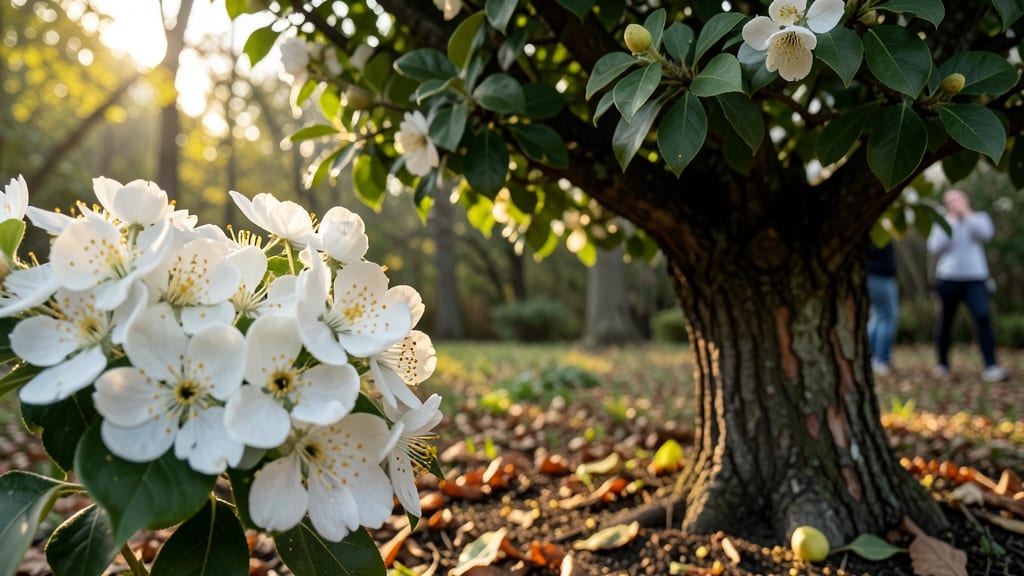
If your spring sneezing fits and itchy eyes happen near that Bradford pear tree in your yard, you’re not imagining things—those symptoms are a dead giveaway. 🌳 I’ve spent years watching my own allergies flare up every March when the tree’s pollen clouds the air, and I’ve learned the hard way what works (and what doesn’t) to survive the season without misery.
The culprit isn’t just the tree’s beauty—it’s those tiny, super-sticky pollen grains that cling to everything, from your clothes to your pet’s fur. Most people experience sneezing, watery eyes, or even skin rashes from touching the leaves, but some get wheezing or congestion that feels like a mild asthma attack.
The worst part? Bradford pears release pollen before leaves even appear, so you’re already reacting by the time you notice the tree.
Here’s the good news: simple steps can make a huge difference. Start by avoiding the tree during peak pollen times (early morning and windy days), and keep windows closed to block pollen indoors.
Over-the-counter antihistamines or nasal sprays can help, but the real game-changer is planting allergy-friendly alternatives—like serviceberry or oak trees—that don’t trigger the same reactions. Trust me, your sinuses will thank you.
If you’re stuck with a Bradford pear for now, pruning in late winter (before pollen release) can reduce the problem, and watering the tree regularly keeps pollen production in check. Small changes add up, and before you know it, spring won’t feel like an allergy battle anymore.
📚 In This Guide
- What you need
- Instructions
- Tips and common mistakes
- Wrapping up and next steps
What you need
- ● Safety gear: N95 respirator mask (or higher-rated for severe allergies) – 1-2 masks
- ● Safety goggles – 1 pair
- ● Long-sleeved shirts and pants (lightweight, breathable fabric) – 1-2 sets
- ● Gloves (nitrile or latex-free) – 1 pair
- ● Pruning tools: Pruning shears (bypass or anvil type) – 1 pair (for small branches)
- ● Loppers (for medium branches, 1-2 inches thick) – 1 pair
- ● Pruning saw (for thick branches, 2+ inches) – 1 saw
- ● Cleanup supplies: Heavy-duty trash bags (for debris) – 2-3 bags
- ● Disposable wipes or damp cloths – small pack
- ● Hose with nozzle (for rinsing tools and skin) – 1
- ● Allergy relief: Antihistamine spray or wipes (e.g., saline or allergy-specific) – travel pack
- ● EpiPen (if prescribed for severe reactions) – 1
- ● Portable air purifier or fan (to reduce airborne pollen while working) – 1
- ● Tree bag or tarp (to contain debris and pollen) – 1
- ● First-aid kit (with bandages, hydrocortisone cream, and oral antihistamines) – 1
- ● Work gloves with extended cuffs (for added protection) – 1 pair
- ● Handheld vacuum (for quick cleanup of fine pollen/debris) – 1
How to recognize and manage Bradford pear tree allergies
Identifying symptoms early helps you take action before seasonal discomfort takes over.
🌿 Step 1: Identify the Classic Allergy Symptoms
Bradford pear trees release pollen in early spring, typically from late March through May, depending on your climate zone. The most common symptoms resemble hay fever and include itchy, watery eyes, sneezing fits, and nasal congestion. You might also notice throat irritation or a persistent cough that worsens when outdoors.
Watch for skin reactions like hives or a rash after handling the tree's leaves or branches—this happens when pollen touches sensitive skin. Unlike seasonal allergies, Bradford pear pollen can trigger asthma flare-ups, so pay attention to wheezing or shortness of breath, especially if you're near blooming trees.
🌱 Step 2: Confirm the Trigger with Timing and Location
Bradford pears bloom earlier than many fruit trees, often before oak or maple pollen peaks. If symptoms flare up during the tree’s flowering window (when white blossoms cover the branches) and improve once they fade, that’s a strong clue. Keep a symptom diary—note when reactions worsen after spending time near the tree or in areas with high pollen counts.
Use a pollen tracking app or check local reports to see if Bradford pear pollen is the dominant allergen in your area. Unlike grass or weed pollen, Bradford pear allergies are tree-specific, so symptoms should ease when the tree stops blooming—usually by mid-to-late May in most regions.
💧 Step 3: Reduce Exposure with Targeted Strategies
Limit outdoor time during morning hours (5 AM–10 AM), when pollen levels are highest. Shower immediately after being outside to rinse pollen off skin and hair—this prevents it from spreading indoors. Use HEPA air purifiers in bedrooms and living spaces to capture airborne pollen that sneaks in through open windows or on clothing.
If the tree is on your property, water the base thoroughly during dry spells to suppress pollen release. Avoid shaking branches or raking leaves, as this releases trapped pollen into the air. For severe reactions, consider temporary barriers like mesh screens over patios or decks where you spend time outdoors.
☀️ Step 4: Alleviate Symptoms with Medical and Natural Remedies
Over-the-counter antihistamines like loratadine or cetirizine can help, but start them a few days before symptoms appear for best results. Nasal saline rinses clear pollen from nasal passages, while cold compresses ease itchy eyes. For skin reactions, hydrocortisone cream or oral antihistamines can reduce hives or rashes.
Natural remedies like local honey (taken daily during pollen season) may help build tolerance, though results vary. Quercetin-rich foods (apples, onions, berries) have anti-inflammatory properties that some allergy sufferers find helpful. If symptoms include asthma-like reactions, carry an inhaler and consult an allergist for epinephrine prescriptions if needed.
✂️ Step 5: Long-Term Management and Prevention
If Bradford pear allergies are severe, discuss allergy testing with a specialist to confirm sensitivity and explore immunotherapy options like allergy shots. Some homeowners opt to remove the tree if it’s the primary trigger, but replacement trees should be hypoallergenic species like serviceberry or hackberry.
For mild cases, seasonal planning helps—keep windows closed during peak bloom times and run AC filters on high to trap pollen. Regularly clean HVAC systems to prevent pollen buildup in ducts. By combining avoidance strategies with medical support, you can minimize discomfort during allergy season.
Tips & tricks for managing Bradford pear tree allergies
These targeted strategies will help you navigate allergy season with confidence and precision.
Timing is Everything: Bradford pear trees typically bloom from late March through May, but the exact window depends on your climate zone. I recommend setting calendar reminders for your local bloom dates—this helps you prepare antihistamines in advance (starting a few days before symptoms appear) and plan outdoor activities for later in the day when pollen levels drop. The key is anticipating the tree's flowering window rather than reacting after symptoms start.
Symptom Tracking: Keep a simple symptom diary for at least a week during peak season. Note when reactions worsen (especially after outdoor exposure) and when they improve. This helps identify patterns—like whether symptoms flare up after gardening or when winds are high. I've found that tracking symptoms for just 3-5 days reveals clear triggers that can be avoided. For example, my symptoms always peak after handling the tree's leaves, which helped me adjust my gardening habits.
Home Environment: Create pollen-free zones by using HEPA air purifiers in bedrooms and living areas during peak bloom times. I place mine near windows and run them continuously—this captures airborne pollen that sneaks indoors on clothing or through open windows. For severe reactions, consider adding a portable air purifier to your car as well, especially if you drive with windows open during bloom season.
Natural Remedies: While medical treatments are essential, quercetin-rich foods can complement your allergy management. I incorporate apples, onions, and berries daily during peak season—they contain natural anti-inflammatory compounds that some allergy sufferers find helpful. Local honey may also help build tolerance, though results vary. Start with one teaspoon daily about a month before bloom season begins to allow time for potential benefits to develop.
Pro Tips for Bradford Pear Tree Allergy Symptoms
- These targeted strategies will help you navigate allergy season with confidence and precision.
- Timing is Everything: Bradford pear trees typically bloom from late March through May, but the exact window depends on your climate zone.
- Symptom Tracking: Keep a simple symptom diary for at least a week during peak season.
Frequently asked questions
Got questions about managing Bradford pear tree allergies? Here are some of the most common concerns—and answers—to help you stay informed and prepared.
When do Bradford pear tree allergies typically flare up?
Bradford pear tree allergies usually peak in early spring (March–April) when trees bloom, but symptoms can linger into late spring. Pollen counts rise on dry, windy days, so keep an eye on local pollen forecasts. If you’re sensitive, start taking precautions before trees bloom to stay ahead of reactions.
What are the most common Bradford pear tree allergy symptoms?
The most frequent symptoms include itchy/watery eyes, sneezing, nasal congestion, and skin rashes upon contact. Some people also experience wheezing, throat irritation, or fatigue. If symptoms feel severe (e.g., swelling, difficulty breathing), seek medical attention—it could signal anaphylaxis, a rare but serious reaction.
Are there allergy-friendly alternatives to Bradford pear trees?
Yes! Consider hypoallergenic trees like crepe myrtle, serviceberry, or oak trees (though oaks can still trigger some allergies). If you love Bradford pears’ look, opt for male-only cultivars (they don’t produce pollen). Always research a tree’s allergen profile before planting near your home.
How can I reduce exposure to Bradford pear pollen indoors?
Start by showering and changing clothes after outdoor exposure to remove pollen. Use HEPA air purifiers, keep windows closed, and run AC with a clean filter. Avoid drying laundry outdoors during peak pollen times. For extra protection, try allergy-proof pillowcases and nasal saline rinses.
Can Bradford pear tree allergies worsen over time?
Unfortunately, yes. Many people find their allergies intensify with repeated exposure, especially if they’re already sensitive to other pollens (like ragweed or grass). If symptoms worsen, an allergy specialist can help with immunotherapy (allergy shots) or medications to build tolerance over time.
Still curious? Drop your questions in the comments—we’re happy to help!
Wrapping up and next steps
If you’ve identified a Bradford pear tree allergy, you’re already taking the first step toward managing your symptoms! Recognizing triggers—like pollen exposure or sap contact—and adopting strategies like pruning, wearing protective gear, or consulting an allergist can make a real difference.
Remember, small changes can lead to big relief, so don’t hesitate to explore solutions that work for you.
🌿 Next step: Start with a simple pruning session to reduce pollen spread, or book an appointment with an allergist for personalized advice. Your comfort is worth the effort! 💪