
Trees
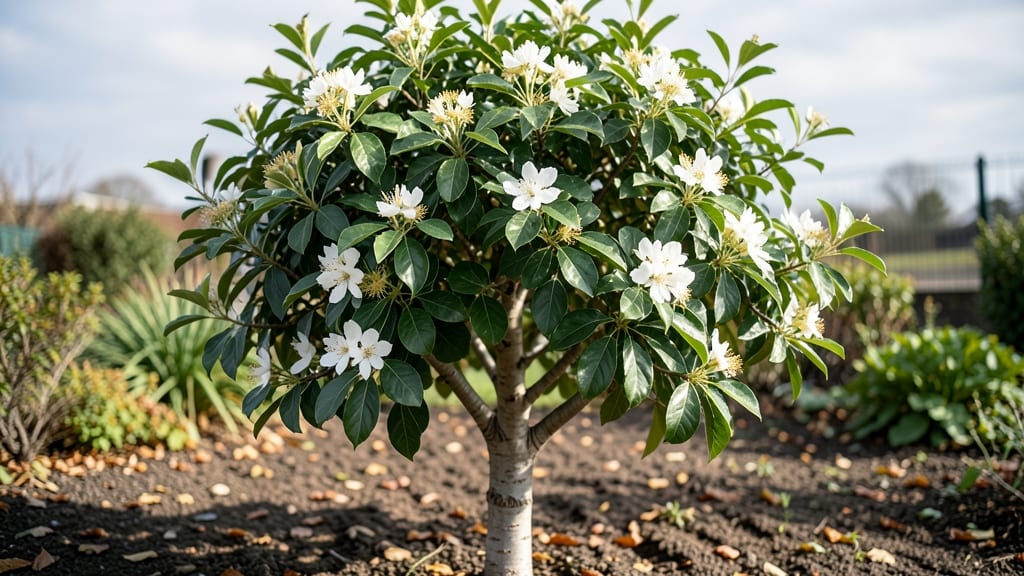
Bradford pear tree pollen causes intense seasonal allergies because its tiny, sticky grains contain potent allergens that linger in the air and trigger reactions like sneezing, itchy eyes, and congestion during peak bloom seasons.
This invasive tree's pollen is particularly problematic because it contains high levels of Bet v 1 homologs, proteins that provoke stronger immune responses than many other tree pollens. 🌸 Unlike native pears, Bradford pears produce massive quantities of pollen—up to 10 times more—thanks to their hybrid vigor, which means allergy sufferers often experience symptoms even in urban areas where these trees dominate landscapes.
The pollen's lightweight nature allows it to travel miles, affecting people far from the source trees.
While some gardeners love Bradford pears for their fragrant blooms and ornamental value, allergy specialists recommend avoiding them entirely in high-risk areas.
If you already have one in your yard, strategic placement—like planting it far from windows or air vents—can reduce indoor pollen intrusion during the late winter to early spring peak season.
💡 In This Article
- Why Bradford Pear Pollen Triggers Strong Allergies
- Managing Bradford Pear Allergies: Seasonal Timeline and Prevention
Why Bradford pear pollen triggers strong allergies
Bradford pear pollen contains unusually high concentrations of Bet v 1 homologs, a family of proteins that act as potent allergens.
These proteins trigger an overreaction in the immune system, causing histamine release and the classic allergy symptoms we recognize: sneezing, itchy eyes, and nasal congestion. 🌿 What makes these proteins particularly problematic is their similarity to allergens found in other plants, including birch and ragweed, which can amplify allergic reactions in sensitive individuals.
The pollen grains themselves are tiny—typically 20-30 microns in diameter—and have a sticky surface that clings to surfaces, including skin, hair, and clothing. This stickiness allows the pollen to travel farther on wind currents, increasing exposure risk.
Studies show Bradford pear pollen can remain airborne for up to 10 days after release, compared to just 1-2 days for many other tree pollens, extending the allergy season for sufferers.
Another key factor is the tree's hybrid vigor, a result of its crossbreeding between two Asian pear species. This genetic advantage makes Bradford pears grow faster and produce 50-100% more pollen than native trees, creating what allergy experts call a "pollen bomb" effect during peak bloom.
The combination of high pollen volume, persistent airborne presence, and potent protein allergens creates a perfect storm for severe allergy symptoms.
When comparing Bradford pear pollen to other common triggers, its impact stands out. For example, oak pollen typically causes milder reactions, while ragweed pollen—though highly allergenic—has a shorter peak season.
Bradford pear pollen's late winter to early spring release coincides with when people's immune systems are already primed from earlier allergy seasons, making symptoms feel even more intense.
Interestingly, the tree's fragrant white blooms—often planted for their ornamental appeal—are the culprit. Each flower produces thousands of pollen grains, and the tree's tendency to self-pollinate means it doesn't rely on bees, leading to even greater pollen release.
This creates a visual paradox: what looks beautiful to gardeners becomes an invisible threat to allergy sufferers.
For those with existing allergies, cross-reactivity with foods like apples, peaches, and celery can occur due to shared proteins.
This phenomenon, called oral allergy syndrome, happens when the immune system mistakenly targets similar proteins in both pollen and certain fruits or vegetables, causing itching or swelling in the mouth after eating these foods during peak pollen seasons.