
Flowers
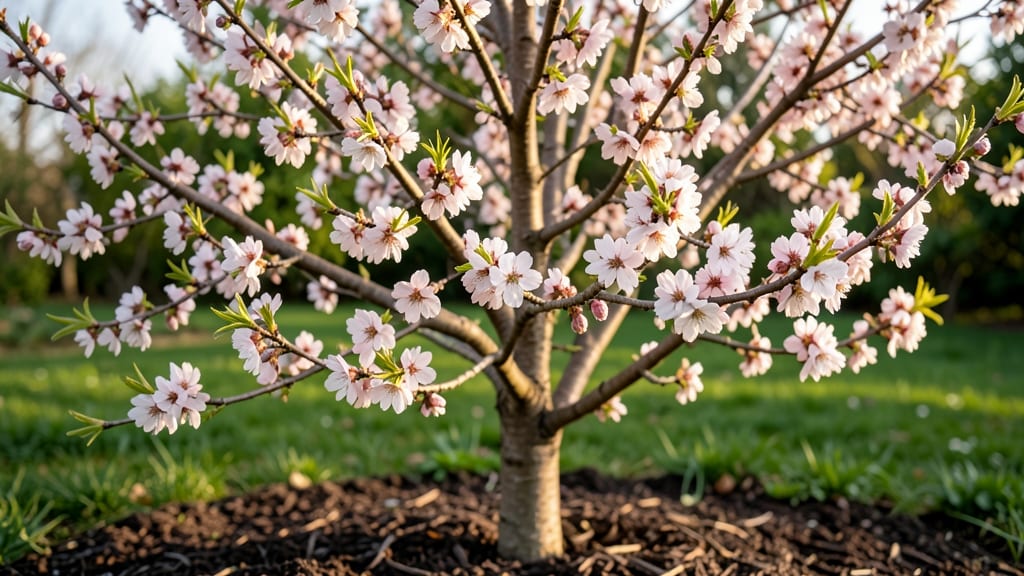
The branches of almond trees in blossom appear in late winter to early spring, showcasing delicate pinkish-white flowers that typically last 7–14 days. Blooming times vary by region, with Mediterranean climates peaking in February–March and colder areas often delaying until April.
The stunning display of almond tree branches in bloom is one of nature's most fleeting yet breathtaking spectacles. 🌸 These flowers are incredibly sensitive to temperature shifts, which is why their appearance often signals the transition from winter's chill to spring's warmth.
In my experience, the most vibrant blooms occur when daytime temperatures consistently reach 60°F or higher, while nights remain cool—this balance triggers the tree's genetic cues to open its buds.
The brief bloom period isn't just about aesthetics; it's also critical for pollination, as bees must visit during these 7–14 days to ensure next year's nut production.
What many don't realize is how dramatically location affects timing. While Southern California almond orchards may burst into bloom in January, trees in Northern California or the Pacific Northwest often wait until March or even April.
This regional variation explains why almond festivals in different areas celebrate at different times—each one marking the local tree's natural rhythm. The flowers' ephemeral nature makes them especially prized by photographers and gardeners alike, as their beauty is both intense and temporary.
💡 In This Article
- Factors Influencing Almond Tree Blossom Timing
- How to Extend Almond Blossom Beauty for Pruning and Photography
Factors influencing almond tree blossom timing
Almond tree blossoms are triggered by a complex interplay of temperature and daylight called vernalization. During winter, buds require 400-800 hours of chilling below 45°F to break dormancy—a process called endodormancy. Without sufficient cold exposure, buds may fail to open entirely.
This explains why Mediterranean climates with mild winters often produce earlier blooms, while colder regions like Northern California need deeper chilling periods, delaying flowering until March or April.
The timing also depends on daylength sensitivity, where trees respond to increasing daylight hours. Once temperatures stabilize above 50°F during the day and stay above 32°F at night, buds begin swelling rapidly.
Early-blooming varieties like 'Nonpareil' may open flowers within 7-10 days of warm spells, while late varieties like 'Carmel' take 2-3 weeks.
The delicate balance between warmth and frost risk creates a high-stakes window—blooms can be damaged by unexpected late frosts (28°F or below), which is why growers monitor weather forecasts closely.
Regional microclimates add another layer of variation. Coastal areas with milder temperatures often see blooms 10-14 days earlier than inland regions at the same latitude, thanks to oceanic moderation. For example, San Diego's almond orchards may bloom in January, while nearby inland valleys wait until February.
This geographic spread is why almond festivals across California celebrate at different times—each location follows its own environmental rhythm rather than a uniform calendar.
Frost sensitivity is the wild card in almond bloom timing. Flowers can survive brief dips to 28°F, but prolonged exposure below 24°F causes irreversible damage. This vulnerability explains why growers use techniques like wind machines or smudge pots to raise temperatures during critical bloom periods.
The trade-off is fascinating: trees evolved to bloom early to capitalize on pollinators, but their timing remains at the mercy of unpredictable spring weather patterns.
What's particularly striking is how soil moisture affects bloom quality. Well-watered trees produce 20-30% more flowers than drought-stressed ones, with each blossom containing 5-7 stamens that must be pollinated for nut development.
The combination of temperature triggers, chilling requirements, and moisture availability creates a biological puzzle that explains why almond blooms appear with such precision—and why their timing varies so dramatically across regions.
For those who appreciate these fleeting displays, understanding these factors reveals why almond blossoms are both a scientific marvel and a fleeting natural phenomenon. The 7-14 day window isn't just about aesthetics—it's a biological necessity that balances pollination needs with environmental constraints. 🌸