
How To
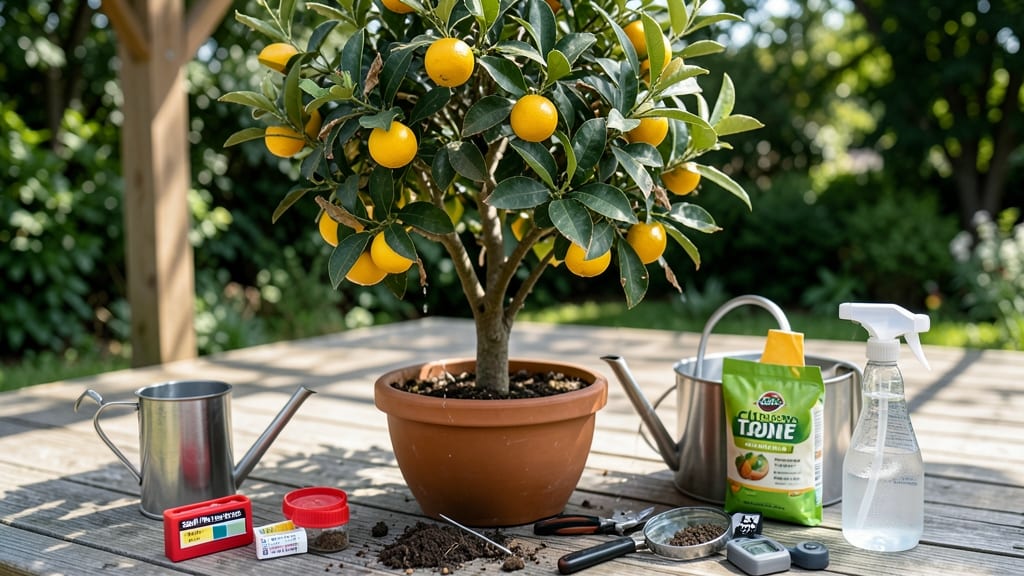
Brown tips on mandarin tree leaves mean your tree is silently screaming for help. 🌿 I’ve seen this problem ruin beautiful trees in just weeks—until I learned the copper spray trick that stops the damage dead in its tracks.
The culprits are usually overwatering (which drowns roots) or nutrient deficiencies (especially iron or zinc), but pests like spider mites can also sneak in and cause similar damage. Copper spray isn’t just a cure—it’s a shield against fungal diseases that thrive in stressed trees.
Within 2-3 weeks of consistent care, you’ll see fresh green growth pushing out from the center of those browned leaves. The key is acting fast before the tips spread to the whole leaf.
This method works for citrus trees in pots or ground, and it’s safe for your soil and nearby plants. Let’s get your mandarin tree back to vibrant health!
Root Causes Of Leaf Discoloration
When your mandarin tree’s leaves develop unsightly brown tips, it’s rarely a random act of nature—it’s a distress signal from the tree. Understanding the why behind these symptoms is the first step to restoring your tree’s health.
Below, we break down the most common culprits, backed by science, so you can diagnose the issue accurately and take action.
Mandarin trees thrive in well-draining soil, but when roots sit in soggy conditions, they struggle to absorb oxygen and nutrients. This leads to root rot, a fungal infection that disrupts water and nutrient uptake.
As a result, leaves develop brown, crispy tips—especially on newer growth—because the roots can’t supply enough moisture or essential minerals like potassium and magnesium.
How to spot it:
- Yellowing leaves paired with brown tips
- Mushy, discolored roots when checked
- Soil that stays clump together even after watering
Science behind it: Excess moisture triggers anaerobic bacteria in the soil, which produce toxins harmful to roots. Over time, this disrupts the tree’s transpiration process, causing leaf edges to dry out prematurely.
Mandarin trees are tropical by nature, but sudden exposure to intense sunlight or drying winds can scorch leaves, leading to brown, papery tips. This is especially common in newly planted trees or those transitioning from shade to full sun.
How to spot it:
- Brown tips appear on sun-exposed sides of leaves
- Leaves may feel dry or crispy to the touch
- Problem worsens on afternoon afternoons in hot climates
Science behind it: Direct sunlight increases transpiration rates, causing water loss faster than roots can replenish it. Wind exacerbates this by removing the protective boundary layer of moisture around leaves. Without humidity, leaf cells lose turgor pressure, leading to desiccation.
Brown tips often signal a lack of key nutrients, particularly when they appear alongside other symptoms like yellowing between veins (chlorosis). The most likely deficiencies in mandarin trees are:
| Nutrient | Symptoms | Why It Happens |
|---|---|---|
| Potassium (K) | Brown, dead-looking tips on older leaves | Potassium regulates water movement and cell stability. A deficiency weakens the tree’s ability to retain moisture, causing edges to dry out. |
| Magnesium (Mg) | Brown tips with yellow patches between veins | Magnesium is central to chlorophyll production. Without it, leaves can’t photosynthesize efficiently, leading to oxidative stress and tissue death. |
| Calcium (Ca) | Brown tips on new growth, often with distorted leaves | Calcium strengthens cell walls. A deficiency causes apical meristem (growth tips) to die back, resulting in stunted, brown-edged leaves. |
Pro tip: 💡 Conduct a simple soil test to confirm deficiencies before amending soil with fertilizers.
Pathogens like Phytophthora (root rot) or Alternaria (leaf spot) can cause brown, necrotic tips, often accompanied by black or dark brown spots. These infections thrive in wet conditions and poor air circulation, blocking the tree’s vascular system and restricting nutrient flow.
How to spot it:
- Brown tips with dark spots or lesions
- Leaves may drop prematurely
- White, fuzzy growth on stems (sign of mold)
Science behind it: Fungi release cellulolytic enzymes that break down leaf tissue, while bacteria clog xylem vessels, preventing water and nutrient transport. The tree’s immune response further damages cells, leading to localized browning.
While rare, copper imbalances can cause brown tips. Copper is essential for enzyme activity in photosynthesis and respiration, but too little or too much disrupts these processes.
Symptoms of deficiency:
- Brown, cupped tips on younger leaves
- Stunted growth
- Pale green or yellowing between veins
Symptoms of toxicity:
- Brown, burnt-looking tips
- Leaf curling or bronzing
- Wilting despite adequate water
Science behind it: Copper acts as a cofactor for enzymes like plastocyanin, which are critical for electron transport in photosynthesis. Deficiencies stall this process, while excess copper generates reactive oxygen species (ROS), causing cellular damage.
Fixing brown leaf tips naturally
Now that you know the likely culprits behind those unsightly brown tips on your mandarin tree leaves, it’s time to roll up your sleeves and restore your tree’s health! Below are practical, step-by-step solutions tailored to the most common causes—plus prevention tips to keep your tree thriving long-term.
Fix:
- Stop watering immediately (🔥 yes, really!). Let the top 2–3 inches of soil dry out completely before watering again.
- Check your pot’s drainage—if it has no holes, repot your mandarin tree into a container with drainage holes. If it’s in the ground, consider amending the soil with perlite or coarse sand to improve aeration.
- Water deeply but less often—mandarin trees prefer dry spells between waterings. Stick your finger 2 inches into the soil; if it’s damp, wait.
- Repot if needed—if roots are circling or the soil is compacted, move your tree to a slightly larger pot with fresh, well-draining potting mix.
Prevention Tips:
- 🌡️ Use a moisture meter to track soil dampness accurately.
- ✨ Elevate pots on saucers or stands to prevent waterlogging.
- 🎯 Avoid soggy mulch—keep mulch 2–3 inches away from the trunk.
Fix:
- Move your tree to partial shade (🌳 morning sun is best). If outdoors, place it where it gets 4–6 hours of indirect sunlight daily.
- Protect from harsh winds—use a windbreak (like a lattice fence or sheer curtain) if your tree is exposed to drying gusts.
- Mist leaves gently in the morning to boost humidity around the tree. Avoid evening misting to prevent fungal issues.
- Apply a light foliar spray—mix 1 tsp of neem oil + 1 tsp of mild dish soap in 1 quart of water and spray leaves lightly to soothe stress.
Prevention Tips:
- 💡 Gradually acclimate young trees to full sun over 2–3 weeks.
- 🌿 Mulch around the base to retain moisture and protect roots.
- 🍃 Avoid pruning in peak sun—trim leaves in the early morning or late afternoon.
Fix:
- Prune infected leaves (🔪 sterilize shears with rubbing alcohol first!) and dispose of them in the trash—not the compost.
- Apply a copper fungicide spray (🍄 the hero of this article!):
- Mix 1 tbsp of copper sulfate or copper fungicide per gallon of water.
- Spray early in the morning on both sides of leaves, focusing on brown tips.
- Reapply every 7–10 days until new growth appears.
- Improve air circulation—space trees 3–4 feet apart or trim overgrown branches.
- Avoid overhead watering—water at the base to keep leaves dry.
Prevention Tips:
- 🌡️ Water in the early morning so leaves dry quickly.
- ✨ Sterilize tools before and after pruning to prevent spread.
- 🎯 Use organic fungicides like baking soda spray (1 tsp baking soda + 1 quart water + a drop of soap) as a preventive measure.
Fix:
- Test your soil—use a DIY soil test kit or send a sample to a local extension office for a pH and nutrient analysis.
- Fertilize with citrus-specific food (🍊 mandarin trees love acid-loving meals!):
- Use a balanced citrus fertilizer (e.g., 6-6-6 or 8-3-9) once a month during growing season (spring–fall).
- For iron deficiency, apply chelated iron or spray iron sulfate according to package instructions.
- Avoid over-fertilizing—brown tips can also signal fertilizer burn. Dilute fertilizer to half-strength if your tree is young or stressed.
- Add organic matter—mix compost or worm castings into the top 2 inches of soil to boost nutrients naturally.
Prevention Tips:
- 💡 Flush the soil every 6 months with water to remove excess salts from fertilizers.
- 🌿 Use slow-release granules for steady nutrient delivery.
- 🍎 Monitor leaf color—yellowing between veins = iron deficiency; purple stems = phosphorus deficiency.
Fix:
- Inspect for pests—look for spider mites, aphids, or scale insects on the undersides of leaves.
- Blast off pests with a strong spray of water (🚿 this removes many soft-bodied insects).
- Apply insecticidal soap or neem oil (🍃 safe and effective!): - Mix 2 tbsp neem oil + 1 tsp mild soap per quart of water. - Spray thoroughly on all leaf surfaces, including stems. - Reapply every 5–7 days until pests are gone.
- Introduce beneficial insects—ladybugs or lacewings eat aphids naturally (available at garden centers).
Prevention Tips:
- 💡 Inspect new plants before bringing them home.
- 🌡️ Keep your tree healthy—stressed trees attract pests!
- 🎯 Use reflective mulch (like aluminum foil) to deter spider mites.
- ✂️ Trim only the brown tips—never cut into healthy green tissue.
- 🔥 Sterilize pruners between cuts to prevent disease spread.
- 🌱 Focus on new growth—healthy leaves will outgrow brown tips in 4–6 weeks with proper care!
Remember: Patience is key! Some trees recover in 2–3 weeks, while others may take a season. Stick with your treatment plan, and your mandarin tree will be back to its vibrant self in no time. 🌟
Frequently asked questions
Why do only the newer leaves have brown tips?
New growth showing brown tips usually signals a nutrient deficiency (like calcium or magnesium) or overwatering causing root stress. The tree prioritizes older leaves first, leaving newer ones vulnerable. Check soil moisture and consider a citrus-specific fertilizer with micronutrients.
Can I use copper spray if my tree is in fruit?
Yes, but with caution! Copper spray is safe for mature fruit when applied correctly, but avoid spraying directly on developing citrus (like mandarins) as it may leave a metallic taste. Focus on leaves only, and harvest fruit 2 weeks after your final application to be safe.
How often should I check my tree for pests?
Inspect your mandarin tree every 2 weeks during warm months (spring-fall) for spider mites or scale insects—common culprits behind brown tips. Use a magnifying glass to check leaf undersides, especially if you notice webbing or sticky residue (honeydew). Early detection prevents major damage!
Will pruning brown tips help or make it worse?
Pruning only the brown tips (never healthy tissue) actually helps! It redirects the tree's energy to new growth. Just sterilize your shears with rubbing alcohol between cuts to prevent spreading any fungal issues that might be present.
Can I save my tree if half the leaves are brown?
With immediate action, most trees recover within 4-6 weeks. Focus on: fixing watering habits, applying copper spray for fungal protection, and adding balanced fertilizer. The key is consistency—don't wait for more leaves to brown before treating!