
Container Gardens
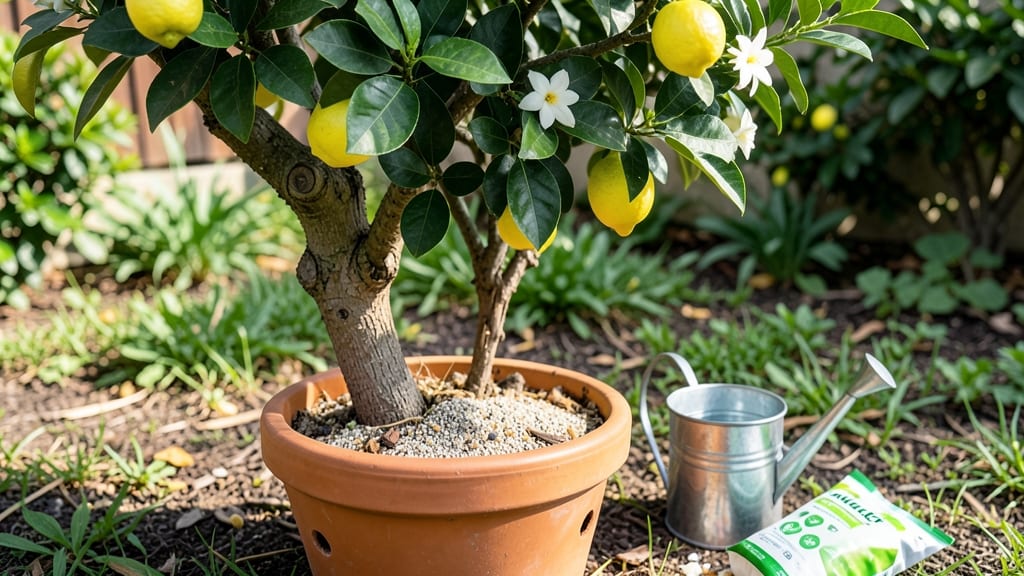
Yes, you can keep a lemon tree in a pot by selecting dwarf varieties like 'Meyer' or 'Improved Meyer,' which adapt well to container life with bright light, fast-draining soil, and careful pruning to control growth. Use containers at least 12 inches wide with drainage, and repot every 2-3 years to prevent root binding.
Growing a lemon tree in a pot unlocks fresh fruit even in small spaces, but success depends on choosing the right variety and mimicking outdoor conditions. 🌱 Dwarf varieties like 'Meyer' tolerate cooler temperatures better than standard types, making them ideal for patios or sunny windowsills.
The key is replicating their Mediterranean roots—well-draining soil, full sun exposure (6+ hours daily), and consistent moisture without soggy roots. I've found that regular pruning not only keeps the tree manageable but also encourages more abundant flowering and fruiting.
For best results, position your container where it gets morning sun and afternoon shade during summer's peak heat.
One common misconception is that any small pot will work—root space matters just as much as drainage. A 12-inch diameter container gives roots room to grow while keeping the tree compact enough for indoor-outdoor transitions.
During winter, move potted lemon trees indoors if temperatures drop below 40°F, as even cold-hardy varieties need protection from frost. The trade-off? Container-grown trees may produce slightly smaller fruit than their in-ground counterparts, but the convenience of homegrown lemons makes it worthwhile.
💡 In This Article
- Choosing the Best Dwarf Lemon Tree Varieties for Pots
- Essential Container Care Tips for Potted Lemon Trees
Choosing the best dwarf lemon tree varieties for pots
Dwarf lemon trees like 'Meyer' and 'Improved Meyer' are specifically bred to thrive in containers, reaching only 6-10 feet tall compared to full-size trees that can grow 20+ feet.
The 'Meyer' variety stands out because it's more cold-hardy, tolerating temperatures down to 20°F with proper care, while standard lemons struggle below 30°F. This makes 'Meyer' ideal for patios or balconies in cooler climates.
The smaller size also means they fruit faster—you can expect lemons within 2-3 years of planting, compared to 5+ years for larger varieties.
The key difference between dwarf varieties lies in their growth habits and fruit characteristics. 'Improved Meyer' produces larger fruit (about 2-3 inches in diameter) with a sweeter, less acidic taste compared to the classic 'Eureka' lemon, which stays tart. However, 'Eureka' is more productive in containers, yielding more fruit annually.
For indoor growing, choose 'Meyer'—its compact growth and cold tolerance make it perfect for sunny windowsills, while outdoor varieties like 'Lisbon' need larger pots (18+ inches) to accommodate their slightly larger root systems.
Size matters because it directly impacts root health and fruit production. In containers, roots grow in a circular pattern, competing for nutrients and space. This is why dwarf varieties with naturally smaller root systems thrive better—they don't outgrow their pots as quickly.
For example, a 'Meyer' lemon in a 12-inch pot will have roots that fill the space within 2-3 years, while a standard lemon would need a 24-inch pot to prevent root binding. The trade-off?
Dwarf varieties may produce slightly smaller fruit, but the convenience of homegrown lemons in small spaces makes it a worthwhile compromise.
Cold hardiness is another critical factor, especially if you plan to move your potted lemon tree indoors during winter. 'Meyer' lemons can handle brief exposure to 20°F temperatures, while other dwarf varieties like 'Ponderosa' (a larger dwarf) struggle below 25°F.
This means 'Meyer' is the best choice for regions with unpredictable winters, as it can often stay outdoors longer. The secret lies in their genetic adaptation—these varieties develop thicker bark and smaller leaves that lose less moisture in cooler temperatures, a trait inherited from their Mediterranean ancestors.
For indoor growing, prioritize varieties that tolerate lower light conditions. 'Meyer' lemons adapt well to indoor environments with 4-6 hours of direct sunlight, making them perfect for south-facing windows.
In contrast, outdoor varieties like 'Lisbon' require 6+ hours of full sun and struggle indoors due to their larger leaves, which increase water demands. The smaller leaf surface area of dwarf varieties also means they transpire (release moisture) more slowly, reducing the risk of overwatering—a common pitfall for indoor gardeners.
Consider your climate and growing space when selecting a variety. In warm climates, 'Eureka' or 'Lisbon' lemons produce more fruit but need larger pots and regular outdoor exposure. In cooler regions, 'Meyer' is the clear winner—its cold tolerance and adaptability make it the most versatile choice for containers.
Whether you're growing on a patio or a sunny windowsill, selecting the right dwarf variety is the first step to success.