
Light Requirements
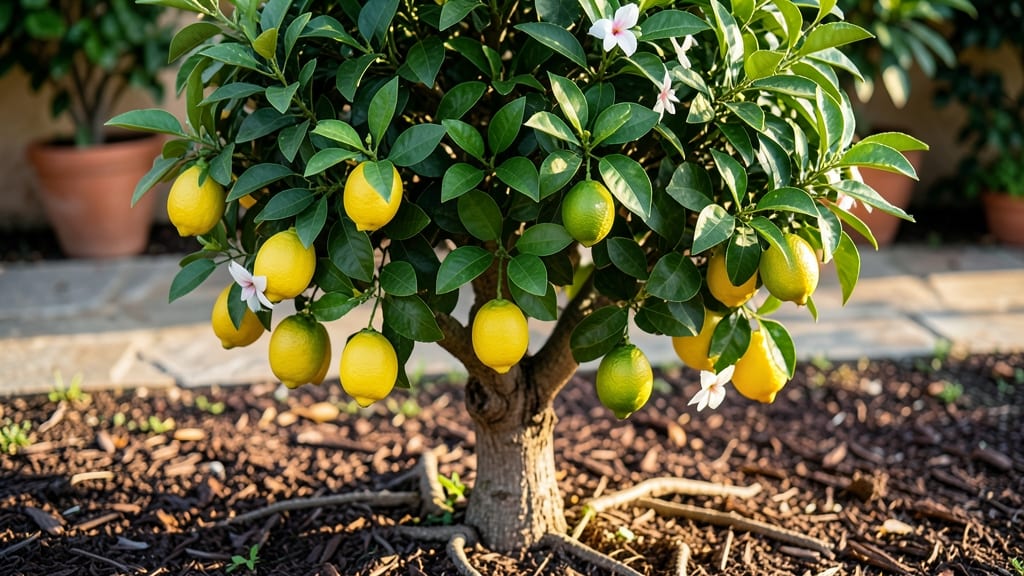
Your lemon tree needs the right lemon tree sunlight requirements—6 to 8 hours of direct sunlight daily—to thrive, and getting this right is the key to fruit production and overall health.
If your lemon tree isn’t bearing fruit—or worse, is struggling to survive—your sunlight exposure might be the culprit. These trees thrive under specific light conditions, and even a small misstep can mean the difference between a lush harvest and a struggling plant.
In warmer climates like Zone 9b, full sun is ideal, but in hotter regions, afternoon shade can prevent leaf burn while still meeting the sunlight needs. Meanwhile, indoor growers face a whole different challenge—balancing natural light with supplemental options to keep their trees happy year-round.
Below, I’ll break down exactly how much sun your lemon tree needs, how to spot signs of too much or too little light, and practical tips for adjusting care—whether you’re growing outdoors or indoors.


How many sunlight hours lemon trees need for optimal growth
Lemon trees are sun-worshippers, and their sunlight requirements are non-negotiable for healthy growth and fruit production. Without enough light, your tree will struggle to photosynthesize, leading to weak branches, sparse foliage, and—worst of all—no lemons.
The ideal sunlight hours for lemon trees hover around 6 to 8+ hours of direct sunlight daily, but understanding the nuances of full sun vs. partial shade is key to avoiding common pitfalls.
In my Zone 9b garden, I’ve learned that lemon trees can handle up to 10 hours of sun in summer, but they’ll appreciate afternoon shade in extreme heat to prevent leaf scorch.
The trick is balancing intensity with duration—too much harsh midday sun can stress the tree, while too little light stunts its growth. Let’s break down the science and practical tips to get your lemon tree basking just right.
📋 SUMMARY TABLE: Lemon Tree Sunlight Requirements
Requirement
Specification
Notes
Daily Sunlight
6–8+ hours
Minimum for survival; 8+ for optimal fruit
Intensity
Full sun (direct)
Tolerates light shade in hot climates
Winter Adjustment
4–6 hours
Reduce exposure in cooler months
Summer Adjustment
Morning sun + afternoon shade
Prevents leaf burn in extreme heat
Indoor Light
South-facing window + grow lights
12–14 hours/day with supplementation
The 6–8+ hours of sunlight rule is a baseline, but real-world conditions vary. For example, my dwarf Meyer lemon tree in a container thrives with 6 hours of morning sun and 2 hours of afternoon shade during summer’s peak.
This balance prevents heat stress while ensuring enough light for photosynthesis. If you’re in a hot desert climate, like Arizona or Southern California, prioritize dappled shade in the afternoon to mimic natural forest conditions.
Measuring sunlight accurately is easier than you think. Use a sunlight tracker app or a simple DIY method: place a white board where your tree sits and mark the sun’s shadow every hour.
If the shadow is shorter than the board’s height for 6+ hours, you’re in the ideal range. In cooler climates (Zones 8a–9a), winter sunlight is weaker, so supplement with a grow light or move potted trees to a sunroom for extra hours.
Seasonal adjustments are critical. In summer (June–August), lemon trees can handle up to 10 hours of sun, but they’ll benefit from afternoon shade cloth (30–50% shade) to prevent leaf scorch. In winter (December–February), reduce exposure to 4–6 hours of sun to avoid cold stress.
This is especially true for young trees or those in Zone 8a or cooler, where frost can damage tender leaves.
Indoor growers face unique challenges. A south-facing window provides the best natural light, but most homes don’t get enough direct sunlight for a lemon tree’s needs. Supplement with a full-spectrum LED grow light (12–14 hours/day) to mimic outdoor conditions.
I’ve seen indoor lemon trees thrive with a combination of 4 hours of window light + 8 hours of artificial light, but they’ll never produce fruit without proper light intensity.
One common mistake is assuming "more sun is always better". While lemon trees love light, excessive heat without shade can cause leaf burn or even root stress. Watch for yellowing leaves or crispy edges—these are red flags for too much sun.
Conversely, pale, sparse leaves signal insufficient light. The goal is to find that sweet spot where your tree gets enough energy to grow but isn’t overwhelmed by heat.
Pro tip: If you’re transitioning a lemon tree from indoor shade to outdoor sun, do it gradually over 1–2 weeks. Start with 2 hours of morning sun and slowly increase exposure.
This acclimation process prevents sunburn and shock. I’ve had to nurse back trees that were moved too quickly, so patience pays off in the long run.
For container growers, location matters. Place your pot where it gets unobstructed sunlight for most of the day. Avoid spots under overhanging branches or near tall buildings that cast shadows.
If your patio or balcony only gets partial sun, consider a dwarf variety like ‘Meyer’ or ‘Improved Meyer,’ which are more adaptable to light shade than
Signs your lemon tree isn’t getting enough (or too much) sunlight
Lemon trees are sun worshippers, and when they don’t get enough light, they send distress signals through their leaves and growth patterns. If you notice yellowing leaves starting from the bottom or stunted branches, your tree might be begging for more sunlight.
These are classic signs of light deprivation, which weakens the tree’s ability to produce fruit and even makes it susceptible to pests.
On the flip side, too much intense sunlight—especially in hot climates—can cause leaf burn, where edges turn crispy and brown. This often happens when temperatures exceed 90°F (32°C) without proper shade. Balancing sunlight is key, and your lemon tree’s symptoms will tell you exactly what it needs.
⚠️ Sunlight Warning Signs
Too Little Sun: Pale, yellow leaves; slow growth; sparse fruit production.
Too Much Sun: Brown, crispy leaf edges; wilting; leaf drop in extreme heat.
Action Step: Move trees gradually to avoid shock—adjust shade cloths or prune for airflow.
If your lemon tree’s leaves are yellowing but staying green in patches, it’s likely suffering from nutrient deficiency due to insufficient light. The tree can’t photosynthesize efficiently, so it struggles to absorb nutrients from the soil.
In this case, supplement with a citrus-specific fertilizer and relocate the tree to a sunnier spot, like a south-facing window or a patio with morning sun.
For trees in hot climates like Zone 10 or 11, excessive sunlight can lead to leaf scorch, where leaves develop brown patches and curl. To protect your tree, install a 30-50% shade cloth during peak afternoon hours (12 PM–4 PM).
This mimics natural dappled light while preventing heat stress. Water deeply in the morning to help the tree recover from the heat.
Pruning is another tool to fix sunlight imbalances. If your tree is overcrowded with branches blocking light, trim back 1/3 of the thickest growth in late winter. This improves airflow and ensures inner leaves get sunlight.
Always use sterilized pruners to prevent disease, and avoid heavy pruning in summer when the tree is already stressed.
Indoor lemon trees near windows often show lopsided growth, stretching toward the light source. Rotate the pot quarter-turns every 2-3 weeks to encourage even growth. If your tree is bare on one side, it’s not getting enough light from all directions.
Supplement with a grow light (12–14 hours/day) to mimic outdoor conditions.
Remember, lemon trees need 6-8+ hours of direct sunlight daily, but the key is balance. Observe your tree’s leaves and adjust gradually—whether that means moving it to a sunnier spot or providing afternoon shade.
With the right light, your lemon tree will reward you with bright green leaves and a bountiful harvest. 🍋