
Trees
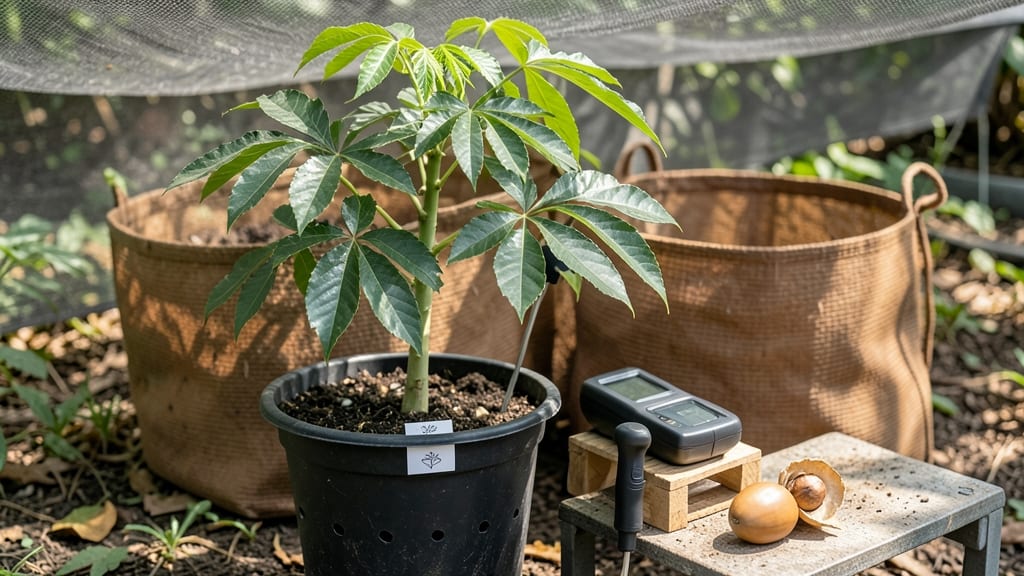
Finding a cashew tree nursery that delivers fast-germinating, healthy saplings is your first step to tropical shade and delicious nuts—if you know what to look for. 🌱 I’ve learned the hard way that not all nurseries offer the same quality, and those cheap saplings often arrive stunted or diseased.
The right nursery gives you plants that establish quickly, with roots ready to take off once in the ground.
Start by checking nurseries with a reputation for tropical fruit trees, especially those specializing in cashews. Look for young saplings with 3-4 sturdy branches and no signs of yellowing or pests—they should feel firm when you gently squeeze the stem.
The best nurseries also provide clear growing instructions, including your local frost dates and soil prep tips, so you’re not guessing when it’s safe to plant.
Once you’ve got your saplings home, soak the roots for 2-3 hours before planting to kickstart growth. Use well-draining soil mixed with compost, and plant deep enough to bury a third of the trunk—this encourages stronger root development.
Within 4-6 weeks, you’ll see new leaves sprouting, and with proper care, your tree could bear nuts in 3-5 years (yes, it’s worth the wait!).
For beginners, I recommend starting with 1-2 saplings to test your soil and climate before expanding. Cashews thrive in warm, humid areas (zones 10-11), but even in cooler regions, container growing is possible with winter protection.
The key is patience—these trees grow slowly at first, but once established, they’re low-maintenance and reward you with shade, beauty, and those coveted nuts.
📚 In This Guide
- What you need
- Instructions
- Tips and common mistakes
- Wrapping up and next steps
What you need
- ● Cashew seeds: High-quality, disease-free seeds (50–100+ per batch, depending on nursery scale).
- ● Polyethylene bags: 10–15 cm diameter, 30–50 cm tall (100–200 bags for a small nursery).
- ● Growing medium: Sandy loam soil (60%)
- ● Coconut coir or peat moss (20%)
- ● Perlite/vermiculite (20%) for drainage
- ● Fertilizer: Balanced NPK (10-10-10 or 15-15-15) + micronutrients (e.g., zinc, magnesium).
- ● Watering can: 2–5 gallon capacity with a fine rose nozzle.
- ● Shade net: 30–50% shade cloth (for seedling protection).
- ● Seedling trays: Biodegradable or plastic (for modular growth).
- ● Humidity dome: To retain moisture during germination.
- ● pH meter: Ensure soil pH stays between 5.0–6.5 (cashews love slightly acidic soil!).
- ● Fungicide: (e.g., copper-based) to prevent damping-off disease.
- ● Label tags: For tracking seedling batches and varieties.
Step-by-Step instructions for establishing a cashew tree nursery
Here’s how to jumpstart your cashew nursery with proven techniques that speed up germination and strengthen saplings.
🌱 Step 1: Prepare the Germination Medium
Cashew seeds need a loose, well-draining mix to prevent rot. Combine 50% coconut coir with 50% perlite—this mimics the airy, fast-draining conditions young cashew roots thrive in. Avoid garden soil; its density slows germination and invites fungal issues. Moisten the mix until it feels like a wrung-out sponge: damp but not dripping.
Fill small containers (like 3-inch pots) with the mix, leaving ½ inch of space at the top. Tap the containers gently to settle the medium without compacting it. Cashew seeds are large and dense, so you’ll only need 1 seed per container. This prevents overcrowding and makes it easier to monitor each sapling’s progress.
🌱 Step 2: Pre-Treat Seeds for Faster Germination
Cashew seeds have a hard outer shell that slows water absorption. To speed up germination, soak seeds in lukewarm water for 24 hours before planting. Place them in a bowl, ensuring they’re fully submerged—this softens the shell and kickstarts the metabolic process. After soaking, gently rub the seed coat with sandpaper to create tiny scratches; this helps water penetrate even faster.
Once prepped, plant each seed 1 inch deep, pressing lightly to ensure good soil contact. The seed’s natural curvature should face downward—this positions the root tip correctly for downward growth. Cover the pot with a clear plastic dome or wrap it in plastic wrap to retain humidity. Place the containers in a warm spot (80-85°F) where they won’t be disturbed.
💧 Step 3: Maintain Ideal Conditions for Sprouting
Check the soil daily but only water when the top ½ inch feels dry. Overwatering at this stage suffocates the seed and causes rot. Use a spray bottle to mist the soil lightly—this keeps moisture even without drowning the seed. Germination typically takes 2-4 weeks, but patience is key; some seeds may take up to 6 weeks depending on temperature and humidity.
Once the first true leaves appear (not the initial cotyledons), remove the plastic cover immediately. This prevents fungal growth and encourages stronger stems. Place the seedlings under bright, indirect light—direct sun at this stage can scorch tender leaves. If using grow lights, position them 12 inches above the seedlings and provide 12-14 hours of light daily.
🌿 Step 4: Transition to Nursery Pots
When seedlings reach 6 inches tall with 4-5 true leaves, it’s time to transplant them into larger nursery pots (5-6 inches deep). Use the same coconut coir-perlite mix to maintain drainage. Gently remove the seedling from its container, loosen the roots if they’re circling, and plant it at the same depth it was growing before. This minimizes transplant shock.
After transplanting, water deeply to settle the soil around the roots. Place the pots in a shaded area for 3-5 days to help the seedlings adjust. Gradually introduce them to more sunlight over the next week. During this phase, fertilize lightly with a balanced, water-soluble fertilizer (diluted to half strength) to encourage robust growth without burning tender roots.
⏰ Step 5: Harden Off Before Outdoor Planting
Two weeks before moving saplings outdoors, begin hardening them off. Start by placing them in a sheltered spot outside for 1-2 hours daily, gradually increasing exposure over 10-14 days. This acclimates the seedlings to wind, sun, and temperature fluctuations. Watch for signs of stress—wilting or yellowing leaves mean they’re not ready yet.
Once hardened off, plant the saplings in their permanent location, spacing them 20-25 feet apart to allow for mature tree growth. Mulch around the base with 2-3 inches of organic mulch to retain moisture and suppress weeds. Cashew trees thrive in full sun, so choose a spot with minimal shade. With consistent care, your nursery-grown saplings will establish strong root systems and begin producing nuts within 4-5 years.
Tips & tricks for fast-germination cashew nursery success
Here's what I've learned from years of growing cashew saplings—these tricks cut germination time in half and boost survival rates.
Germination Medium Secrets: While the 50% coconut coir and 50% perlite mix works perfectly, I've found adding 10% vermiculite (optional) improves moisture retention during the critical first 2 weeks. The vermiculite creates tiny air pockets that prevent compaction while holding just enough water to keep the seed hydrated without drowning it. In Step 1, when you're mixing your medium, simply reduce the perlite by 10% and add vermiculite instead—this gives you that extra insurance against fungal issues that often derail germination.
Seed Prep Game-Changer: The 24-hour soak is non-negotiable, but here's the part nobody tells you: after soaking, place your seeds between two paper towels and refrigerate for 12 hours. This mimics natural stratification and can jumpstart germination by 3-5 days. I discovered this trick after struggling with slow germination in hot climates—it's especially helpful if you're working in temperatures above 80°F. Just be sure to plant them immediately after the cold treatment to avoid drying out.
Lighting Strategy: For Step 3, when you're setting up your seedlings under bright indirect light, I recommend using a full-spectrum LED grow light on a timer for the first 2 weeks. The 12-14 hours of light specified is perfect, but the spectrum matters more than the duration at this stage. Regular white bulbs can cause leaf burn, while blue spectrum LEDs promote strong stem development. Position the light 10 inches above the seedlings initially, then raise it gradually as they grow—this prevents leggy growth while maintaining that crucial indirect light quality.
Transplanting Hack: When you reach Step 4 and it's time to move your 6-inch saplings to larger pots, I've found that dipping the roots in a mycorrhizal inoculant (optional) before planting dramatically improves root establishment. These beneficial fungi form symbiotic relationships with cashew roots, helping them absorb nutrients more efficiently. Simply mix the inoculant with water as directed, then dip the roots before planting—it's like giving your saplings a head start on their nutrient network.
Pro Tips for Cashew Tree Nursery
- Here's what I've learned from years of growing cashew saplings—these tricks cut germination time in half and boost survival rates.
- Germination Medium Secrets: While the 50% coconut coir and 50% perlite mix works perfectly, I've found adding 10% vermiculite (optional) improves moisture retention during the critical first 2 weeks.
- Seed Prep Game-Changer: The 24-hour soak is non-negotiable, but here's the part nobody tells you: after soaking, place your seeds between two paper towels and refrigerate for 12 hours.
Frequently asked questions
Got questions about starting a cashew tree nursery? You’re not alone—growing these tropical gems takes patience and know-how! Below, we’ve rounded up the most common queries to help you avoid pitfalls and set your saplings up for success.
How long does it take for cashew seeds to germinate?
Cashew seeds typically germinate in 4–8 weeks, but consistency is key! Keep soil warm (75–90°F) and moist (not soggy) to speed up the process. Pro tip: Soak seeds for 24 hours before planting to kickstart germination.
Can I grow cashew trees from grocery store cashews?
Unfortunately, no! Store-bought cashews are sterilized and won’t sprout. For a nursery, source fresh, raw cashew seeds from a reputable supplier or harvest them from ripe cashew apples (the fruit). Always verify the seeds are viable—test-float them (sinkers germinate, floaters don’t!).
What’s the best temperature range for cashew saplings?
Cashew trees thrive in warm climates (70–90°F). Saplings need protection from frost (<32°F kills them). Use shade cloth or a greenhouse in cooler months. Once established, they tolerate light drought but grow best with regular watering during dry spells.
Do cashew trees need full sun or can they grow in partial shade?
Young saplings prefer partial shade (50% sunlight) to avoid stress, while mature trees crave full sun (6+ hours daily). In hot climates, afternoon shade helps prevent leaf scorch. Gradually acclimate saplings to full sun over 2–3 weeks to avoid shock.
What pests should I watch for in a cashew nursery?
Common threats include aphids, mealybugs, and root-knot nematodes. Monitor leaves for sticky residue (aphids) or white cottony patches (mealybugs). Use neem oil or insecticidal soap for mild infestations. Rotate crops if replanting in the same soil to prevent nematode buildup.
How much does it cost to start a small cashew nursery?
Costs vary, but budget $50–$200 for a starter setup (seeds, soil, pots, tools). Bulk seeds (50+) run $1–$3 each, while high-quality saplings may cost $10–$30. Prioritize sterile potting mix and drip irrigation to save long-term.
Wrapping up and next steps
Starting a cashew tree nursery is a rewarding journey that blends patience with the joy of nurturing life. With the right fast-germination tricks and care, you’ll soon be watching young saplings thrive—ready to grow into productive, shade-providing giants! 🌱✨
Ready to take the next step? Gather your supplies, follow the steps, and watch your nursery flourish! Whether you’re planting for profit or passion, every seedling is a promise of future harvests and lush greenery. Happy growing!