
Pests
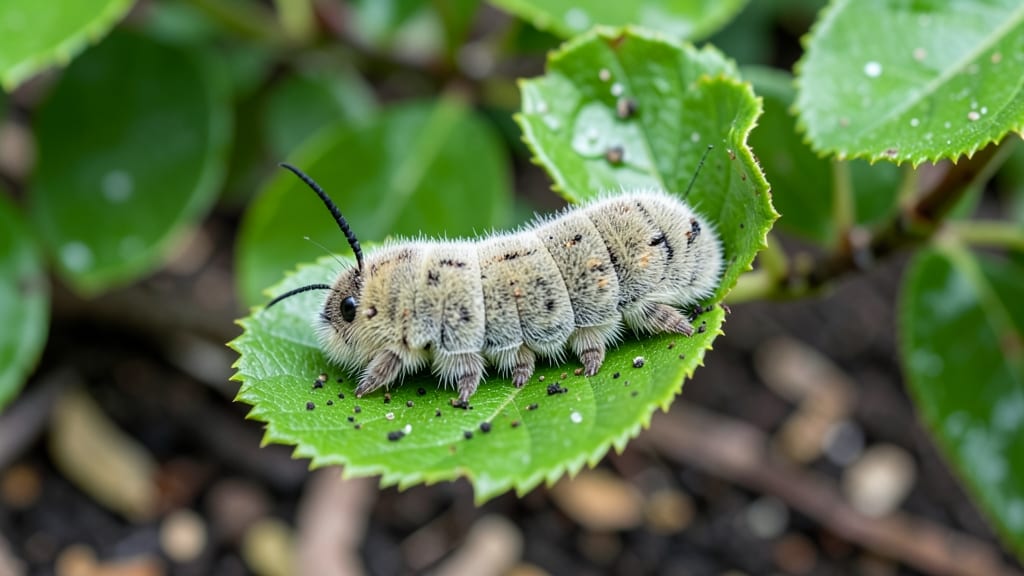
Those skeletonized cherry tree caterpillar leaves? That’s your tree’s SOS signal. 🌿 Western tent caterpillars or gypsy moth larvae can strip a tree bare in weeks—unless you act fast with organic solutions.
I’ve battled these pests for years, and I’ll show you how to stop them without harsh chemicals that harm pollinators. The damage starts small: tiny holes in leaves that grow into webbed nests or defoliated branches.
These caterpillars thrive when trees are stressed, so proper watering and pruning cut their advantage. Once you spot them, time is critical—wait too long, and the tree weakens enough to invite bigger problems.
With the right organic sprays (neem oil, Bacillus thuringiensis), you can knock back infestations within 3-5 days. The key is consistent monitoring—check undersides of leaves and branch crevices where eggs hide. I’ll walk you through every step, from early detection to full recovery.
This works for all cherry varieties—sweet, tart, or ornamental—and keeps your tree healthy for seasons to come. Let’s save those leaves before they’re gone.
Root Causes Of Cherry Tree Defoliation
Understanding why caterpillars target your cherry tree starts with recognizing their natural instincts and environmental triggers. These leaf-munching pests don’t just appear out of nowhere—they’re drawn by specific conditions that make your tree an all-you-can-eat buffet. Here’s a breakdown of the key factors:
Cherry trees are a caterpillar’s dream because they offer nutrient-rich leaves packed with sugars and proteins—ideal for rapid growth. But why do these pests zero in on your tree specifically?
- Young, tender leaves 🌿: New growth is softer and easier to digest, making it a prime target for hungry larvae. - Thick foliage 🌳: Dense canopies provide shelter from predators (like birds or parasitic wasps) and make it harder for natural enemies to spot them. - Stressed trees 😬: When cherry trees are water-stressed, nutrient-deficient, or diseased, their leaves become even more appealing.
Pests detect weakened trees through volatile organic compounds (VOCs) released in the air—like a distress signal.
Actionable tip: 💡 Regularly inspect your tree for signs of stress (yellowing leaves, stunted growth) and address them promptly with proper watering, mulching, and fertilization.
Caterpillars don’t just appear—they follow a predictable life cycle tied to your cherry tree’s seasonal changes. Here’s how timing plays a role:
| Stage | When It Happens | Why It Matters |
|---|---|---|
| Egg Laying | Spring (March–May) | Females lay eggs on leaves after overwintering as pupae. Warm springs trigger earlier hatching. |
| Larval Feeding | Late spring–summer | Caterpillars emerge and devour leaves for 4–6 weeks before pupating. |
| Pupation | Summer (June–July) | Larvae burrow into soil or form cocoons, emerging as moths in fall. |
| Overwintering | Fall–winter | Adult moths lay eggs that survive cold, ready to restart the cycle. |
Key trigger: Warmer winters 🌡️ shorten the dormant period, leading to earlier, larger infestations. If you’ve noticed more damage in recent years, climate shifts may be to blame.
In a balanced ecosystem, caterpillars face a gauntlet of predators—but urban or heavily managed gardens often lack these helpers. Common natural controls include:
- Birds (robins, chickadees) 🐦
- Parasitic wasps (tiny but deadly to caterpillars) 🕷️
- Spiders & ladybugs 🕸️🐞
- Ground predators (toads, shrews) 🐸
Why the imbalance?
- Pesticide use 🚫💊: Broad-spectrum sprays kill beneficial insects along with pests, leaving caterpillars unchecked.
- Monoculture gardens 🌳🌳: Planting only cherry trees (or other favorites like peaches/plums) removes habitat diversity, reducing predator populations.
- Urbanization 🏙️: Fewer wild areas mean fewer places for predators to thrive.
Pro tip: ✨ Encourage biodiversity by planting native flowers (like dill or yarrow) to attract predator insects and avoid chemical sprays during caterpillar-active months.
Caterpillars thrive in specific weather conditions, and your local climate may be inadvertently inviting them:
- High humidity 💦: Keeps eggs and young larvae moist, speeding up hatching and growth.
- Rainfall patterns 🌧️: Heavy spring rains can wash away natural predators (like bird nests) while providing ideal conditions for egg survival.
- Mild winters ❄️🌡️: Fewer freeze-thaw cycles mean higher survival rates for overwintering eggs and pupae.
Regional note: 🌍 If you’re in a Pacific Northwest or Midwest area with wet springs, you’re more likely to see severe outbreaks. Drought-stressed trees in the Western U.S. can also attract pests as they seek out moisture-rich foliage.
A neglected cherry tree is like a neon sign for caterpillars. Here’s how human habits worsen the problem:
- Over-pruning ❌🪓: Removing too many branches reduces the tree’s ability to photosynthesize efficiently, making leaves less resilient to damage.
- Compacted soil 🏗️: Poor drainage from foot traffic or construction stresses roots, weakening the tree’s immune response.
- Delayed cleanup 🍃: Leaving fallen leaves and debris over winter provides hiding spots for pupating caterpillars and protects eggs from cold.
Fix it: 🔧 Prune in late winter (before egg-laying season), aerate soil annually, and remove leaf litter in fall to disrupt the caterpillar lifecycle.
Natural Ways to Outsmart Tree Chewers
Now that you understand why those pesky caterpillars are feasting on your cherry tree, it’s time to take action—without resorting to harsh chemicals. Below are practical, organic solutions tailored to the root causes of the problem, from manual removal to long-term prevention.
Each method is designed to be easy, effective, and eco-friendly while keeping your tree (and local wildlife) safe.
If your tree is lightly infested, physical removal is the fastest and most direct solution.
- 🍳 When to Use It:
- Best for small to medium infestations (fewer than 100 caterpillars visible).
- Ideal for early detection (before they spin webs or defoliate heavily).
- Works well for young trees where caterpillars are easy to spot.
- 👨🍳 How to Do It: 1. Pick the Right Time: Remove caterpillars early in the morning when they’re sluggish from dew. 2. Wear Gloves: Caterpillars can irritate skin—opt for thick gardening gloves.
- Handpick or Shake: Gently pluck caterpillars off leaves and drop them into soapy water (1 tsp dish soap per gallon of water). Alternatively, shake branches over a bucket lined with a trash bag to trap them.
- Check Daily: Repeat every 2–3 days until no more caterpillars are visible.
- ✨ Pro Tip:
- Timing is key! Focus on late spring to early summer when caterpillars are most active. A single thorough session can reduce populations by 80–90% if done consistently.
For larger infestations or when manual removal isn’t enough, organic sprays are your best bet. These disrupt caterpillars’ feeding and growth without harming beneficial insects.
🔪 Bacillus Thuringiensis (Bt): The Caterpillar Killer
- Why It Works:
- Bt kurstaki is a naturally occurring soil bacterium that targets only caterpillars (safe for bees, birds, and other wildlife).
- It paralyzes their digestive system, causing them to stop eating within 48 hours and die.
- 📝 How to Apply: 1. Choose the Right Strain: Use Bt kurstaki (for leaf-eating caterpillars like tent caterpillars or gypsy moths). 2. Mix the Spray: Follow label instructions (typically 1–2 tbsp per gallon of water).
- Spray Evenly: Cover both sides of leaves and the undersides of branches where caterpillars hide.
- Reapply After Rain: Bt washes off easily, so reapply every 7–10 days or after heavy rain.
- ⏰ Best Time to Spray:
- Early morning or late evening to avoid harming bees.
- Before caterpillars pupate (they become resistant once they form cocoons).
🌡️ Neem Oil: A Multi-Tasking Repellent
- Why It Works:
- Disrupts caterpillars’ feeding and growth hormones.
- Also repels eggs from laying on leaves.
- 📝 How to Apply: 1. Mix the Solution: Combine 1–2 tbsp neem oil + 1 tsp mild soap per gallon of water. 2. Spray Thoroughly: Focus on new growth and undersides of leaves.
- Reapply Weekly: Neem breaks down quickly, so repeat every 5–7 days until infestation clears.
- 💡 Pro Tip:
- Shake well before use! Neem oil separates, and a good mix ensures even coverage.
- Avoid spraying in direct sunlight (can burn leaves)—do it on cool, cloudy days.
🎯 Horticultural Oil or Insecticidal Soap
- Why It Works:
- Smothers caterpillars by coating their bodies, leading to dehydration.
- Effective against young caterpillars (less so for larger ones).
- 📝 How to Apply:
- Use as a Direct Spray: Target caterpillars and egg masses with a fine mist.
- Apply Early: Best used before caterpillars reach 1 inch long.
- Reapply Every 3–5 Days: Works fastest in humid conditions.
The best defense is a strong, healthy tree that caterpillars aren’t tempted to munch on. Here’s how to prevent future infestations:
🍎 Strengthen Your Tree’s Defense
- 💪 Fertilize Properly: Use a balanced organic fertilizer (like fish emulsion or compost) in early spring to promote vigorous, pest-resistant growth.
- 🌱 Prune Strategically:
- Remove dead or weak branches where caterpillars hide.
- Thin out dense foliage to improve air circulation (less hiding spots).
- 🌧️ Water Deeply but Less Often: Overwatering stresses trees—deep watering once a week encourages strong roots.
🐝 Encourage Natural Predators
- 🕷️ Attract Birds & Beneficial Insects:
- Install birdhouses for insect-eating birds (like chickadees or wrens).
- Plant native flowers (e.g., dill, fennel, or milkweed) to lure parasitic wasps (natural caterpillar predators).
- 🐸 Welcome Frogs & Toads: They devour caterpillars—leave a small water feature in your yard to attract them.
🛡️ Barrier Methods for Young Trees
- 🪲 Floating Row Covers: If planting new cherry trees, use lightweight fabric covers to block egg-laying moths until trees are established.
- 🍎 Sticky Traps for Moths: Place pheromone traps in early spring to catch adult moths before they lay eggs.
📅 Timely Monitoring & Early Action
- 🔍 Inspect Weekly: Check for eggs (tiny yellow clusters), frass (caterpillar poop), or silken webs—catch them early!
- 📅 Act Before They Pupate: Most caterpillars stop eating when they form cocoons—treat before late June for best results.
- ❌ Avoid Broad-Spectrum Pesticides: Chemicals like malathion kill beneficial insects and can harm pollinators.
- ❌ Don’t Ignore Egg Masses: Even a few eggs can turn into hundreds of caterpillars—scrub them off immediately.
- ❌ Over-Prune: Removing too many leaves stresses the tree, making it more vulnerable to pests.
By combining manual removal, targeted organic sprays, and preventive care, you can save your cherry tree without harming the environment. Start today—the sooner you act, the healthier (and happier) your tree will be! 🌳💚
Frequently asked questions
What are the most common types of caterpillars that attack cherry trees?
The two most troublesome species are Western tent caterpillars (they create silk tents in branch crotches) and gypsy moth caterpillars (hairy, pale green, and highly destructive). Less common but still problematic are leafrollers and tussock moth caterpillars. All prefer young, tender cherry leaves as their primary food source.
How do I tell if my cherry tree has caterpillar eggs before they hatch?
Look for tiny yellow clusters (like grains of rice) on the undersides of leaves or branch crevices—these are egg masses. Western tent caterpillars lay them in spring, while gypsy moths prefer rough bark. Scrape them off with a stiff brush or scrape tool immediately to prevent hatching.
Will birds alone solve my cherry tree caterpillar problem?
Birds like robins and chickadees do eat caterpillars, but they won't eliminate an infestation alone. For best results, combine bird-friendly habitats (like birdhouses and native plants) with organic sprays like Bacillus thuringiensis. Monitor weekly to ensure you're not missing hidden caterpillars in dense foliage.
Can I use garlic spray to repel cherry tree caterpillars?
Garlic spray can help as a mild deterrent, but it's not as effective as neem oil or Bt for large infestations. Mix 1 chopped garlic bulb + 1 tsp cayenne pepper + 1 quart water, strain, and spray leaves. Reapply every 3-5 days—it works best when combined with other organic methods for maximum protection.
How long does it take for organic sprays to work on caterpillars?
Most organic treatments like Bacillus thuringiensis show results within 24-48 hours (caterpillars stop eating and die), while neem oil may take 3-5 days for full effect. For best results, apply sprays early in the morning when caterpillars are most active and reapply after rain or every 7-10 days during active feeding seasons.