
Trees
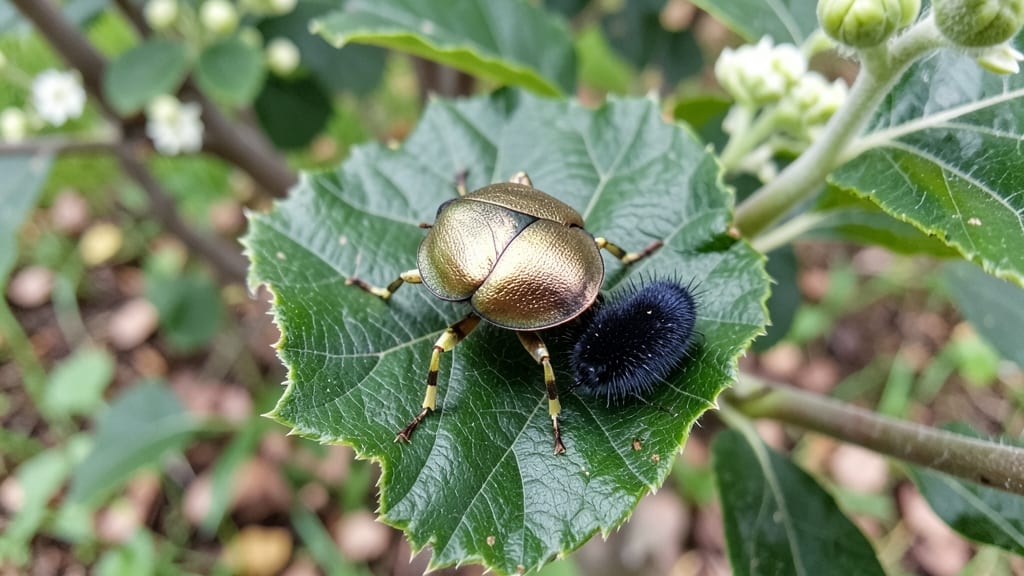
Mulberry tree bugs can turn your lush canopy into a skeleton in weeks—unless you act fast. 🌿 I’ve battled mulberry pyralid moths, aphids, and scale insects on my own tree, and the key is catching them early with organic fixes that won’t ruin your fruit.
The worst offenders include mulberry pyralid moths (those telltale white webs) and aphids (sticky honeydew drips). These pests thrive when trees are stressed, so proper watering and pruning cut their advantage. A simple neem oil spray or soapy water wash works wonders for early infestations.
By mid-summer, you’ll see fewer holes in leaves and more berries ripening—no chemicals needed. The secret is consistent monitoring and quick action before damage spreads. Works for backyard trees, urban landscapes, and even container-grown mulberries. Let’s tackle this organically!
Root Causes Of Mulberry Tree Pests
Understanding why mulberry trees attract pests is the first step in managing them effectively—without sacrificing the fruit you love. These trees are a buffet for insects, but not all threats are equal. Below, we break down the key reasons bugs target mulberry trees, from ecological factors to tree health signals.
Mulberry trees thrive when their leaves are lush and abundant, but this same trait makes them a magnet for sap-sucking insects like aphids, scale, and whiteflies. Here’s why:
- High Sugar Content: Mulberry leaves contain natural sugars that insects crave. When leaves are dense and healthy, they produce more nectar-like secretions (called honeydew), which attracts pests. - Poor Air Circulation: Thick foliage traps moisture, creating a humid microclimate that pests adore.
This is especially true in shady or poorly ventilated areas. - Young, Tender Growth: New shoots and leaves are softer and more vulnerable, making them prime targets for caterpillars and beetles looking for an easy meal.
Actionable Fix: Prune branches to improve airflow and reduce leaf density. Aim for 10-20% thinning in spring to disrupt pest habitats.
A mulberry tree under stress is like an open invitation for bugs. When trees are nutrient-deficient, diseased, or water-stressed, their natural defenses weaken, making them easier prey.
| Stress Factor | How It Attracts Bugs | Signs to Watch For |
|---|---|---|
| Nitrogen Deficiency | Leaves turn yellow, reducing pest-repelling compounds. | Pale green leaves, stunted growth. |
| Water Stress | Drought weakens sap flow, making trees more susceptible to borers and beetles. | Wilting, crispy leaf edges, dry bark. |
| Fungal Infections | Fungi like anthracnose create entry points for secondary pests. | Black spots, mold, or oozing sap. |
| Root Damage | Compromised roots reduce nutrient uptake, stressing the tree. | Mushrooms at the base, slow growth. |
Actionable Fix: Test soil pH (ideal: 6.0-7.0) and amend with compost or organic fertilizer in early spring. Deep watering (1-2 inches per week) keeps roots healthy.
Mulberry trees aren’t just food—they’re homes for many insects. Their bark, branches, and leaf litter provide perfect breeding grounds for pests like spider mites, bark beetles, and psyllids.
- Bark Crevices: Rough mulberry bark traps moisture, giving scale insects and beetles a cozy place to lay eggs.
- Leaf Litter: Fallen leaves create shelter for overwintering pests, which emerge stronger in spring.
- Sap Flows: Wounds (from pruning, storms, or disease) ooze sap, which ants and wasps farm to feed their larvae.
Actionable Fix:
- Rake up leaf litter in fall to remove overwintering pests.
- Seal pruning cuts with pruning paint to prevent sap flow.
- Encourage natural predators like ladybugs and lacewings by planting companion flowers (e.g., dill, fennel, or marigolds).
Pests don’t attack mulberry trees randomly—they follow seasonal cues and weather patterns. Understanding these helps you predict and prevent outbreaks.
- Warm, Dry Springs: Ideal for spider mites and aphids, which multiply rapidly in heat.
- Humid Summers: Perfect for whiteflies and fungal gnats, which thrive in damp conditions.
- Late Summer Rain: Encourages borer beetles to lay eggs in stressed trees.
Actionable Fix:
- Monitor weather forecasts and treat preventatively before pests peak (e.g., neem oil sprays in early summer).
- Mulch properly (2-4 inches of organic mulch) to regulate soil moisture and deter drought stress.
Sometimes, well-meaning gardening practices backfire by introducing or spreading pests.
Common culprits: - Overhead Watering: Splashes soil onto leaves, spreading fungal spores and soft-bodied insects. - Improper Pruning: Leaving stubs or cutting into old wood invites borers and beetles. - Moving Infested Plants: Bringing in contaminated nursery stock or tools spreads pests to healthy trees.
Actionable Fix:
- Water at the base (not overhead) to avoid spreading pests.
- Sterilize pruning tools with rubbing alcohol between cuts.
- Quarantine new plants for 2 weeks before introducing them to your mulberry tree’s area.
Quick Fixes for Mulberry Tree Pests
If your mulberry tree is under siege by unwanted bugs, don’t panic—there are plenty of organic, effective ways to restore balance without sacrificing your harvest. Below, we’ve mapped common culprits to targeted solutions, from immediate action steps to long-term prevention.
Signs: Sticky residue (honeydew), curled leaves, or clusters of tiny green/black insects on new growth.
How to Fix: 🔥 Blast Them Away – Use a strong stream of water from a hose to dislodge aphids from leaves and stems. Repeat every 3–4 days until they vanish. 🍳 Soapy Spray – Mix 1 tsp mild liquid soap (like Castile) with 1 quart water in a spray bottle. Apply directly to infested areas, focusing on undersides of leaves. 👨🍳 Neem Oil Treatment – Combine 1 tbsp neem oil, 1 tsp dish soap, and 1 quart water. Spray at dusk (to avoid harming bees) and repeat weekly.
Prevention Tip: 💡 Encourage natural predators like ladybugs and lacewings by planting dill, fennel, or marigolds nearby.
Signs: White, brown, or black shell-like bumps on branches; yellowing leaves; sticky sap.
How to Fix: 🔪 Scrape Them Off – Use a soft brush or cloth dipped in rubbing alcohol to physically remove scales from branches. 🌡️ Horticultural Oil Spray – Apply dormant oil (available at garden centers) in early spring or fall when temperatures are below 80°F. Reapply after rain. ✨ Beneficial Insects – Release parasitic wasps (like Aphytis melinus) or predatory beetles (e.g., Cryptolaemus montrouzieri) to hunt scales naturally.
Prevention Tip: 🎯 Prune regularly to remove infested branches and improve airflow—scales thrive in dense, shaded areas.
Signs: Fine webbing on leaves, stippled (speckled) foliage, or leaves turning bronze/yellow.
How to Fix: 💦 Water Mist Spray – Spider mites hate humidity. Lightly mist leaves daily during dry spells to deter them. 🥗 Neem Oil or Insecticidal Soap – Spray every 5–7 days until mites disappear. For severe cases, add 1 tsp baking soda to the mix for extra potency. 🔥 Reflective Mulch – Cover the base of the tree with aluminum foil or reflective mulch to confuse mites with erratic light patterns.
Prevention Tip: 🌡️ Monitor humidity—mites explode in dry, hot conditions. Use a hose-end sprayer for deep watering.
Signs: Ragged, skeletonized leaves; shiny green beetles feeding on fruit.
How to Fix: 🍎 Handpick & Drown – Fill a bucket with soapy water and drop beetles in during peak feeding hours (early morning). 🌿 Milky Spore or Beetle Traps – Apply milky spore powder (a natural bacteria) to soil to reduce beetle larvae long-term. Use traps sparingly—they may attract more beetles if overused. 🔪 Prune & Destroy – Remove heavily damaged leaves and burn or compost them (don’t add to garden waste).
Prevention Tip: 💡 Plant trap crops like roses or grapes away from your mulberry tree to lure beetles away.
Signs: Tiny white moth-like insects swarming when leaves are disturbed; sticky residue.
How to Fix: 🕯️ Yellow Sticky Traps – Hang yellow cards coated with petroleum jelly near the tree to catch adult flies. 🥘 Kaolin Clay Spray – Mix 2 tbsp kaolin clay with 1 gallon water and spray to smother eggs and young nymphs. 🔥 Beneficial Nematodes – Apply heterorhabditis bacteriophora to soil to kill larvae naturally.
Prevention Tip: 🎯 Avoid over-fertilizing with nitrogen—whiteflies love lush, soft new growth.
To keep pests at bay, strengthen your mulberry tree’s natural defenses with these habits:
- 🌿 Mulch properly – Use wood chips or straw (not plastic) to improve soil health and deter crawling insects.
- 💧 Water deeply but less often – Encourages stronger roots, making the tree less vulnerable.
- 🍃 Rotate organic sprays – Don’t rely on one solution—switch between neem, soapy water, and horticultural oil to prevent resistance.
- 🌱 Plant companion plants – Garlic, chives, or basil near the base can repel many common pests.
Final Pro Tip: ✨ Inspect your tree weekly during peak pest seasons (spring/summer). Early action = easier wins!
Frequently asked questions about mulberry tree bugs
What are the most destructive bugs that attack mulberry trees?
The worst offenders include mulberry pyralid moths (creating white webs), aphids (leaving sticky honeydew), and scale insects (forming shell-like bumps). Spider mites and beetles also cause significant damage by feeding on leaves and fruit.
How do I know if my mulberry tree has a bug problem?
Watch for sticky residue on leaves (honeydew), holes in foliage, yellowing or curled leaves, and visible insects like caterpillars or beetles. Mulberry pyralid moths leave distinctive white silk webs between leaves.
Are chemical pesticides safe for mulberry fruit?
Most chemical pesticides can leave residues on edible mulberry fruit, making it unsafe to eat. Organic solutions like neem oil, soapy water sprays, or horticultural oils are safer alternatives that won’t harm your harvest. Always follow label instructions.
When is the best time to treat mulberry tree bugs?
Early intervention is key! Treat in early spring before pests become active, and again after summer rains when infestations peak. Focus on dusk spraying to avoid harming beneficial insects like bees.
Can I use the same treatment for all mulberry tree bugs?
No—different bugs need different approaches. Aphids respond well to soapy water, while scale insects require rubbing alcohol or horticultural oil. Spider mites hate humidity, so daily misting helps. Always identify the pest first before treating.