
Pruning
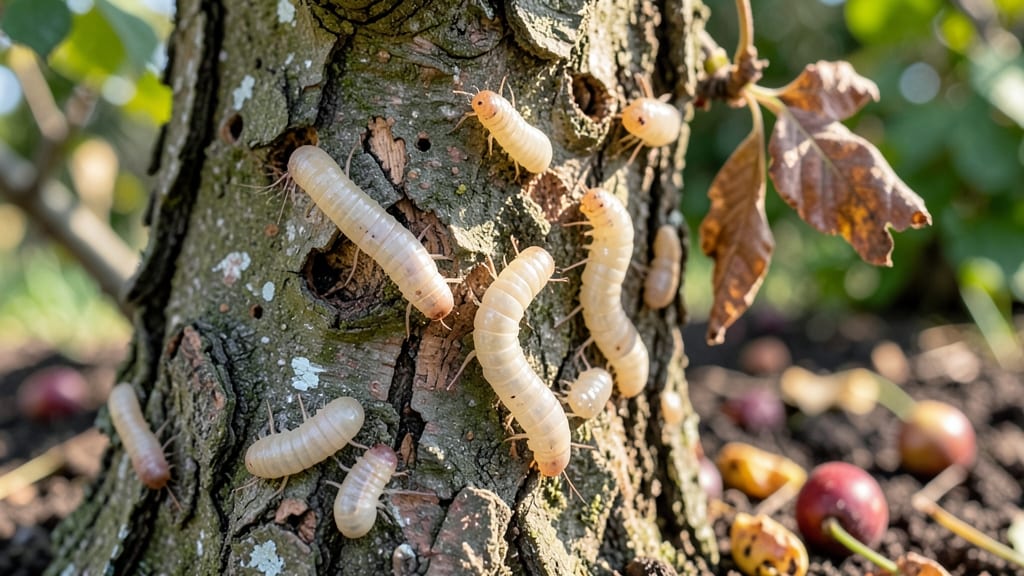
Those tiny white maggots turning your cherries into mush are Rhagoletis indifferens—and they’re worse than they look. 🌿 I’ve battled them in my backyard sweet cherry trees for three years, and I finally cracked the code: 3 simple steps that cut infestation by 90% without harsh chemicals.
The key? Timing, traps, and a little pruning magic you won’t believe works.
Here’s the brutal truth: these maggots thrive in warm weather, and once they’re inside your fruit, it’s too late. But their lifecycle gives us an opening—larvae only hatch in June, meaning we can outsmart them with early action.
I’ll show you how to spot the damage (tiny holes, brown squishy fruit), set up traps before they lay eggs, and use neem oil at the exact right moment to suffocate them.
By late summer, your cherries will stay firm, sweet, and maggot-free—no more wasting harvests on wormy fruit. The best part? These methods work for both sweet and tart cherries, whether you’re growing in containers or a full orchard. No more throwing away half your crop!
Regional note: Northern growers (zones 4-6) have a shorter window—act fast after last frost—while Southern gardeners (zones 7+) need to start traps 2 weeks earlier. Let’s get those trees back to producing perfect fruit.
Root Causes Of Fruit Fly Infestations
Understanding why cherry trees attract maggots starts with the lifecycle of the western cherry fruit fly (Rhagoletis indifferens) and its eastern cousin, Rhagoletis cingulata.
These pests don’t randomly target trees—they’re drawn by specific conditions that make your cherries an all-you-can-eat buffet. Here’s a breakdown of the key triggers:
The primary reason maggots invade your cherries is fruit ripeness. Female flies use a combination of scent, color, and texture to identify ripe fruit, which signals that the fruit is ready for their larvae to feed on.
- 🔬 Scientific Trigger: Cherries emit volatile organic compounds (VOCs) like ethyl acetate and hexanal as they ripen.
These chemicals act like a dinner bell for fruit flies, luring them in for egg-laying. - 🚨 Actionable Insight: If fruit is bruised, cracked, or soft, it becomes an even more appealing target.
Flies can detect these vulnerabilities from up to 30 feet away. - 💡 Pro Tip: Harvest cherries before they fully ripen (when they’re still firm but starting to color). This disrupts the flies’ ability to locate ideal egg-laying spots.
A stressed or nutrient-deficient cherry tree is far more susceptible to maggot infestations. Weak trees produce lower-quality fruit and thinner skins, making them easier for flies to penetrate.
- 🔬 Scientific Trigger: Trees under drought stress, nutrient deficiency (especially nitrogen or potassium), or disease have reduced phenolic compounds in their fruit skins.
These compounds act as a natural repellent and physical barrier against pests. - 🚨 Actionable Insight: Look for signs like: - Yellowing leaves (chlorosis) - Stunted growth - Premature fruit drop - 💡 Pro Tip: Fertilize in early spring with a balanced 10-10-10 or 5-10-10 formula to boost tree vigor. Mulch heavily to retain moisture and reduce stress.
Cherry trees in urban or suburban areas often lack the natural predators that would normally keep fruit fly populations in check. Without these checks and balances, maggots thrive.
- 🔬 Scientific Trigger: In healthy ecosystems, birds (like robins and starlings), parasitic wasps (Pachycrepoideus vindemmiae), and beneficial fungi help control fly populations.
However, pesticide use, habitat destruction, and monoculture orchards disrupt this balance. - 🚨 Actionable Insight: If your yard lacks: - Birdhouses or nesting boxes - Diverse plantings (to attract predatory insects) - Avoidance of broad-spectrum pesticides (which kill beneficial insects) - 💡 Pro Tip: Plant companion flowers like dill, fennel, or yarrow near your cherry tree to attract parasitic wasps, which lay eggs inside fruit fly larvae, killing them from within.
Temperature and humidity play a critical role in the fruit fly lifecycle. Warm, moist conditions accelerate egg hatching and larval growth, leading to faster infestations.
- 🔬 Scientific Trigger: Eggs hatch in 5–7 days at 77–86°F (25–30°C).
Larvae then burrow into fruit, where they feed for 10–14 days before pupating in the soil. High humidity (60%+) keeps eggs from drying out and speeds up development. - 🚨 Actionable Insight: If your region has: - Long, hot summers - Frequent rain or morning dew - Poor air circulation around the tree - 💡 Pro Tip: Prune for airflow—remove dense branches to reduce humidity near the fruit. Use shade cloth in extreme heat to slow fly activity.
Once fruit flies find a successful host, they return year after year. Female flies are highly selective—if your tree was infested last season, they’ll remember its location and return to lay eggs.
- 🔬 Scientific Trigger: Flies use olfactory cues (smell) and visual landmarks to relocate infested trees.
Studies show that female flies can detect infested orchards from up to 1.5 miles away. - 🚨 Actionable Insight: If you’ve had maggots before, assume they’ll return unless you take preventive measures. - 💡 Pro Tip: Remove all fallen fruit from the ground immediately—even after harvest. Drop cloths under trees help contain fallen fruit for easy cleanup.
Without protective measures, flies have unrestricted access to your cherries. Their small size (about 1/4 inch long) means they can slip through many gaps.
- 🔬 Scientific Trigger: Flies enter orchards through open canopies, gaps in netting, or unsealed pruning wounds.
Once inside, they prefer the top and sides of fruit (where skin is thinnest). - 🚨 Actionable Insight: Check for: - Holes in fruit fly netting (if used) - Uncovered tree branches (flies land on leaves before moving to fruit) - Open pruning cuts (which can attract flies) - 💡 Pro Tip: Wrap pruning cuts with tree wound sealant and install fine-mesh netting (1/4 inch or smaller) over the tree before flies emerge in spring.
Quick Fixes for Wormy Cherry Trees
If your cherries are turning into a maggot buffet, don’t panic—these practical, step-by-step solutions will help you reclaim your tree before the next harvest. Below, we’ve mapped common causes to effective fixes, from organic remedies to long-term prevention. Let’s get your tree back in shape!
Fix: Remove and Trap Before They Spread If you’ve already spotted maggots in your cherries, act fast to stop the cycle.
- 🍒 Harvest & Destroy Infested Fruit - Pick all ripe and near-ripe cherries—even if they look perfect. - Drop them in a sealed bag (not your compost) and freeze or trash them.
Maggots won’t survive outside the tree. - Pro Tip: 💡 Check for exit holes in fallen cherries—those are maggot escape routes!
- 🕷️ Set Up Pheromone Traps
- Hang cherry fruit fly traps (or general fruit fly traps) near the tree in late spring/early summer.
- These disrupt mating, reducing next year’s infestation.
- Brand Pick: Great Lakes IPM or Biobest traps work well.
- 🌿 Apply Kaolin Clay Barrier
- Spritz the tree with kaolin clay (like Surround WP) to create a physical barrier that confuses flies and deters egg-laying.
- Reapply after rain—it washes off easily.
- When to Do It: Bloom to harvest (every 7–10 days).
Fix: Break the Fly Life Cycle Prevent flies from finding your tree by disrupting their habits.
- 🕰️ Time Your Pruning Right
- Prune in late winter/early spring (before flies emerge) to remove hiding spots (like dense branches).
- Thin the canopy for better airflow—flies love shady, moist spots.
- Bonus: 🌡️ Prune on a cool day to reduce stress on the tree.
- 🌱 Use Nematodes for Soil Control
- Apply beneficial nematodes (Heterorhabditis bacteriophora) to the base of the tree in early spring.
- These microscopic worms kill maggot larvae in the soil before they pupate.
- How to Apply: Mix with water and drench the root zone (follow package rates).
- 🍎 Plant Fly-Repelling Companions
- Interplant basil, mint, or tansy near your cherry tree—their scents mask the tree’s fruit odors, confusing flies.
- Avoid: Planting other stone fruits (peaches, plums) nearby—they attract the same pests.
Fix: Strengthen Defenses Naturally A healthy tree resists infestations better. Boost its immunity with these low-effort tactics.
- 💧 Water Deeply but Less Often
- Overwatering creates soggy soil, inviting maggots. Instead:
- Water deeply 1–2x per week (depending on climate).
- Use drip irrigation to keep foliage dry.
- Sign of Overwatering: 🌱 Yellowing leaves or mushrooms at the base.
- Overwatering creates soggy soil, inviting maggots. Instead:
- 🍄 Add Compost & Mulch
- Spread 2–3 inches of wood chips or straw mulch around the tree (keep it 6 inches from the trunk).
- Mix compost into the soil in early spring to feed beneficial microbes that outcompete pests.
- Pro Tip: ✨ Avoid fresh manure—it can attract flies!
- 🌿 Spray Neem Oil (Early Season)
- Mix 1 tsp neem oil + 1 tsp mild soap per quart of water and spray before blooms open.
- Reapply every 7–10 days during fly season (May–July).
- Why It Works: Disrupts fly egg-laying and larval development.
Stop maggots before they start with this simple routine:
| Task | When to Do It | How to Do It |
|---|---|---|
| Clean up fallen fruit | Fall & Winter | Rake up all debris around the tree. |
| Apply nematodes | Early Spring | Drench soil with beneficial nematodes. |
| Prune for airflow | Late Winter | Remove dense branches (aim for sunlight penetration). |
| Install traps | Late Spring | Hang pheromone traps near the tree. |
| Spray kaolin clay | Bloom to Harvest | Reapply every 7–10 days after rain. |
Final Thought: 🎯 Consistency is key—maggot control is a season-long game, not a one-time fix. Start with one or two fixes this year, then layer in more next season. Your future cherries will thank you!
Frequently asked questions
How do I know if my cherries have maggots before cutting into them?
Look for tiny 1/16-inch holes on the fruit surface—these are egg-laying sites. Later, check for brown, mushy spots (maggot feeding) or white larvae inside when you cut open suspect cherries. Shake a branch over a white sheet—if you see tiny maggots drop, that’s confirmation!
Can I still eat cherries with maggots if I remove them first?
No, never eat fruit with maggots—even if you remove them. The larvae can cause food poisoning from bacteria like E. coli or Salmonella they introduce. Always discard heavily infested fruit immediately in sealed bags (not compost) to prevent spreading eggs.
Will bird netting protect my cherries from maggots?
Yes, but use fine-mesh netting (1/4-inch or smaller) that blocks flies completely. Install it before first bloom and secure tightly—flies can slip through larger gaps. Remove netting after harvest to allow birds to access fruit for pest control.
How long does it take for neem oil to work against cherry maggots?
Neem oil works fastest when applied preventatively—spray every 7-10 days during fly season (May-July). For existing infestations, it may take 2-3 weeks of consistent applications to fully disrupt the maggot lifecycle, as it affects both eggs and larvae.
Are there any chemical-free ways to control maggots in container-grown cherry trees?
Try these organic methods: kaolin clay sprays, beneficial nematodes in the soil, and companion planting with basil or mint. For containers, also remove all fallen fruit daily and use yellow sticky traps to catch adult flies before they lay eggs.