
Pruning
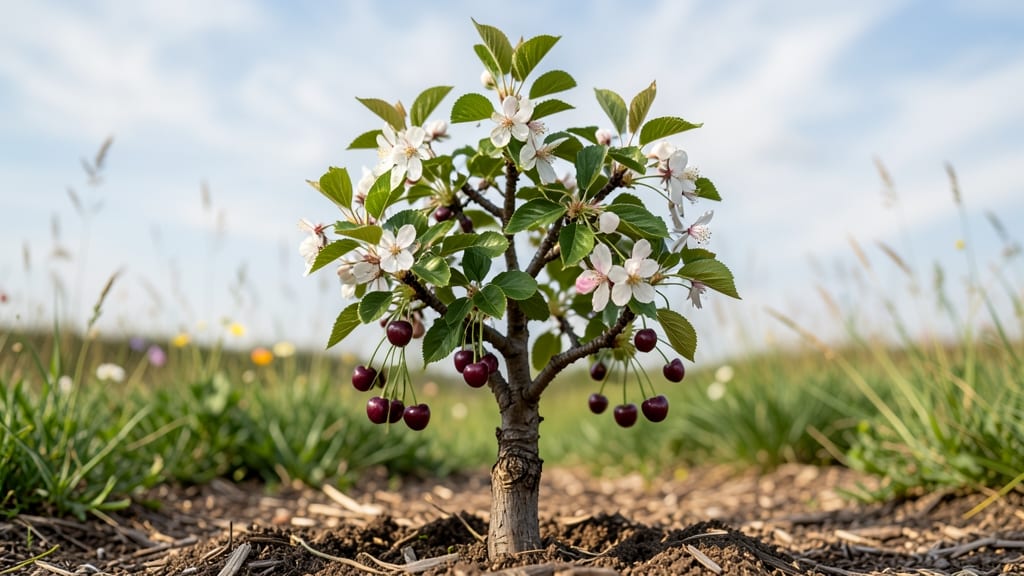
Small-fruited cherry trees deliver sweet, bite-sized rewards—if you prune them right. 🌿 I’ve spent years perfecting my technique after my first tree produced tiny, sour cherries because I missed the critical winter cuts. The difference between a handful of fruit and a bucketful?
Precision pruning that opens the canopy to sunlight and air. Start with the right variety: dwarf or semi-dwarf trees like ‘Stella’ or ‘Montmorency’ thrive in small spaces. Plant in full sun with well-draining soil, and space them 15-20 feet apart for proper airflow.
Prune in late winter before buds swell—cut back 1/3 of last year’s growth to encourage new, fruiting wood. Thin out crossing branches to prevent disease. By summer, you’ll see plump, vibrant fruit instead of bitter, undersized cherries.
Birds will still snack on some, but a well-pruned tree yields enough for pies, jams, or fresh eating—no more bitter disappointments. The key is consistency: prune annually, and your tree will reward you for years.
Climate matters: small-fruited cherries need chill hours (200-600, depending on variety) and cross-pollination—plant two compatible trees for the best harvest. In warmer zones, choose low-chill varieties like ‘Black Tartarian.’ Watch for canker disease (remove infected branches immediately) and aphids (blast them off with water).
For advanced gardeners, summer pruning after harvest can shape the tree further, but beginners should stick to winter cuts. The payoff? A tree that produces fruit reliably for decades—no more sad, sparse harvests. Ready to transform your cherry tree from underwhelming to unbeatable?
Root Causes Behind Tiny Cherries
Understanding why your cherry tree produces small fruit is the first step toward fixing it. The issue often stems from a mix of environmental, cultural, and physiological factors. Let’s break down the key culprits—each with a clear scientific explanation and actionable insights to help you reverse the trend.
Small cherries often signal an imbalance in essential nutrients, particularly nitrogen (N), phosphorus (P), and potassium (K). While nitrogen fuels leafy growth, excessive amounts can divert energy away from fruit development, leaving cherries undersized.
Conversely, deficiencies in boron (B), zinc (Zn), or calcium (Ca) directly impair cell division and fruit expansion.
- Nitrogen Overload: Too much nitrogen (common in heavy fertilizers) promotes lush foliage but stunts fruit size by delaying flowering or reducing sugar accumulation. - Fix: Shift to a balanced fertilizer (e.g., 10-10-10 or 5-10-10) and avoid high-nitrogen amendments like fresh manure or blood meal. - Boron Deficiency: Boron is critical for cell wall formation and sugar transport.
Without it, cherries may stay tiny or develop cracked pits. - Fix: Apply borax (sodium borate) at 1–2 lbs per 100 gallons of water as a foliar spray during bloom (follow label rates). - Calcium Shortages: Calcium aids in fruit firmness and size.
Poor soil calcium (or high soil pH blocking uptake) leads to blind wood (non-fruiting branches) and small cherries. - Fix: Test soil pH—aim for 6.0–6.5. Add lime (calcium carbonate) if levels are low, or use calcium nitrate as a foliar spray.
Cherries are self-pollinating but benefit from cross-pollination for optimal fruit set. If pollinators (like bees) are scarce or weather disrupts bloom synchronization, flowers may drop early, leading to tiny or misshapen fruit.
- Cold or Rainy Bloom Period: Temperatures below 50°F (10°C) or heavy rain during flowering can kill pollen or deter bees. - Fix: Plant a second cherry variety (e.g., ‘Stella’ with ‘Van’) for cross-pollination.
Avoid overhead watering during bloom. - Pesticide Overuse: Broad-spectrum insecticides (e.g., neonicotinoids) kill bees, reducing pollination success. - Fix: Use bee-friendly pesticides (e.g., horticultural oil or pyrethrin-based sprays) after bloom or opt for beneficial insect habitats (e.g., bee houses).
When a cherry tree’s branches grow too densely, sunlight and air circulation suffer, leading to:
- Weak flower buds (smaller cherries).
- Fungal diseases (e.g., brown rot) that stunt fruit development.
- Competition for resources, leaving cherries undersized.
- Thinning Too Late: Pruning after June removes next year’s flower buds, reducing fruit set. - Fix: Prune dormant season (late winter) to open the canopy.
Remove water sprouts and crossing branches to improve airflow. - Excessive Shade: Shady branches produce smaller, lower-quality fruit. - Fix: Thin branches to ensure 6–8 hours of direct sunlight reaches the center of the tree.
Cherries need consistent moisture—especially during fruit sizing (6–8 weeks after bloom). Drought or fluctuating soil moisture triggers abscission (premature fruit drop) or stunted growth.
- Underwatering: Dry soil causes osmotic stress, limiting nutrient uptake and fruit expansion. - Fix: Water deeply 1–2 times per week (1–1.5 inches per session) during dry spells.
Use drip irrigation to avoid wetting foliage (reduces disease risk). - Overwatering: Soggy roots suffocate roots, leading to nutrient deficiencies. - Fix: Ensure well-draining soil (amend clay soil with compost). Mulch with wood chips (3–4 inches) to retain moisture evenly.
Certain pathogens and pests directly sabotage fruit growth by:
- Sucking sap (e.g., aphids, spider mites), which weakens the tree’s energy reserves.
- Infecting fruit (e.g., black knot fungus, powdery mildew), causing poor development.
- Aphids/Mites: These pests inject toxins that distort new growth and reduce fruit size. - Fix: Spray with neem oil or insecticidal soap during early spring.
Introduce ladybugs as natural predators. - Brown Rot (Monilinia spp.): This fungus rots blossoms and young fruit, leading to small, deformed cherries. - Fix: Apply copper fungicide (e.g., Bordeaux mixture) before bloom and remove mummified fruit in fall.
Cherries are cool-season crops—extreme heat or insufficient light disrupts photosynthesis and sugar production, resulting in tiny fruit.
- Late Spring Heat Waves: Temperatures above 85°F (29°C) during bloom can sterilize pollen or cause fruit drop. - Fix: Provide afternoon shade cloth (30–50% shade) if your region experiences late-spring heat. - North-Facing Branches: Shady branches produce smaller cherries due to lower sugar synthesis. - Fix: Prune to maximize south/southwest exposure.
Consider relocating dwarf trees to sunnier spots if possible.
Small cherries are rarely a single issue—they’re a symptom of underlying stress. Start with soil testing, pruning adjustments, and pollinator support, then address nutrient gaps or pest/disease pressure. With precision, your tree can rebound with plump, juicy cherries in just one season! 🍒✨
Revitalize Small Cherry Fruit Growth
If your cherry tree is producing tiny fruit instead of plump, juicy cherries, don’t panic—there are practical ways to turn things around. Below are targeted solutions for the most common causes, along with prevention tips to keep your tree thriving.
Small fruit often signals a lack of essential nutrients. Cherry trees need a balanced diet, especially nitrogen (N), phosphorus (P), and potassium (K).
🔥 Step 1: Test Your Soil
- Use a home soil test kit or send a sample to a local extension office.
- Look for deficiencies in phosphorus (P) (critical for fruit development) or zinc/magnesium.
🍳 Step 2: Apply the Right Fertilizer
- For phosphorus deficiency: Use a bone meal or rock phosphate (apply in early spring).
- For nitrogen boost: Switch to a balanced fertilizer (10-10-10) or compost in late winter.
- For micronutrients: Sprinkle Epsom salt (magnesium sulfate) around the base (1 tbsp per gallon of water, monthly).
👨🍳 Pro Tip:
Over-fertilizing can harm the tree—stick to recommended rates and water deeply after application to prevent root burn.
If your cherry tree isn’t getting enough cross-pollination (especially for self-unfruitful varieties), fruit size suffers.
🐝 Step 1: Identify Pollination Needs
- Check if your tree is self-pollinating (e.g., 'Stella' cherries) or needs a pollinator partner (e.g., 'Lapins' pairs well with 'Van’).
- If alone, plant a compatible variety nearby (within 50 feet).
👨🍳 Step 2: Hand-Pollinate (If Needed)
- On windless days, use a soft paintbrush to transfer pollen from one flower to another.
- Best done in early morning when flowers are open.
💡 Prevention Tip:
Encourage bees and beneficial insects by planting native flowers (like lavender or clover) near the tree.
Overcrowded branches block sunlight and airflow, leading to stunted fruit growth.
🔪 Step 1: Thin Out Dense Branches
- Remove 10-20% of the canopy in late winter/early spring.
- Focus on water sprouts (vertical shoots) and crossing branches.
🌿 Step 2: Open the Center
- Ensure the inner canopy gets sunlight—trim branches that shade the center.
- Aim for an open vase shape to improve air circulation.
⏰ Timing Matters:
Prune dormant trees (late winter) to avoid disease spread. Avoid heavy pruning in summer—it stresses the tree.
Drought or overwatering can stunt fruit development. Cherries need consistent moisture, especially during flowering and fruiting.
🌡️ Step 1: Deep Water Weekly
- Water 1-2 inches per week (more in extreme heat).
- Use drip irrigation or soaker hoses to keep roots moist.
🎯 Step 2: Mulch Properly
- Apply 2-3 inches of organic mulch (wood chips, straw) around the base.
- Keep mulch 6 inches away from the trunk to prevent rot.
✨ Pro Tip:
Monitor soil moisture with your finger—if the top 2 inches are dry, it’s time to water.
Pests like aphids or diseases like brown rot can sap energy, leading to small fruit.
🐜 Step 1: Inspect Regularly
- Check for aphids, mites, or borers on new growth.
- Look for fungal spots on leaves/fruit (sign of brown rot).
🧼 Step 2: Treat Early
- Organic option: Spray with neem oil (for pests) or copper fungicide (for diseases).
- Conventional option: Use insecticidal soap or bacillus thuringiensis (Bt) for caterpillars.
💡 Prevention Tip:
Remove fallen leaves/fruit in autumn to reduce disease spores. Space trees properly (20-25 feet apart) for airflow.
Picking cherries too early or too late can result in small, underdeveloped fruit.
🍒 Step 1: Know When to Harvest
- Cherries should easily detach with a gentle twist.
- Use a color chart (dark red/purple for sweet varieties, bright red for tart).
⏰ Step 2: Harvest Strategically
- Pick in morning hours when temperatures are cool.
- Avoid over-picking—leave some fruit to mature for next year’s blossoms.
With these targeted fixes, your cherry tree should rebound with larger, sweeter fruit in no time. Consistency is key—monitor progress and adjust as needed!
Frequently asked questions
What are the best small-fruited cherry varieties for home gardens?
For compact spaces, try 'Stella' (sweet, self-pollinating) or 'Montmorency' (tart, great for pies). Dwarf varieties like 'Lapins' or 'Black Tartarian' stay under 8 feet tall and produce abundant 1-inch cherries. Always check chill hour requirements—200-600 hours depending on variety.
How do I know if my small cherries are caused by poor pollination?
Look for small, misshapen fruit or few blossoms that drop early. If your tree is alone and needs cross-pollination (check variety tags), plant a compatible partner within 50 feet. Also watch for bees during bloom—if you see none, hand-pollinate with a paintbrush on calm days.
Can I prune my cherry tree in summer to fix small fruit issues?
Summer pruning is risky—it removes next year's flower buds. Instead, focus on late winter pruning (before buds swell) to open the canopy. Remove 1/3 of last year's growth and thin crossing branches. If you must prune in summer, limit cuts to dead or diseased wood only.
Why do my cherries stay small even after proper pruning?
Check for nutrient deficiencies (especially boron or calcium) or pests like aphids that sap energy. Also verify watering consistency—drought stress during fruit sizing (6-8 weeks after bloom) stunts growth. Test soil pH (6.0-6.5) and consider a balanced fertilizer like 10-10-10.
How do I protect small cherries from birds and pests?
Use bird netting (lightweight, breathable) when fruit starts forming. For pests, spray neem oil or insecticidal soap during early spring. Introduce ladybugs to control aphids naturally. Avoid broad-spectrum pesticides—they harm pollinators!