
Light Requirements
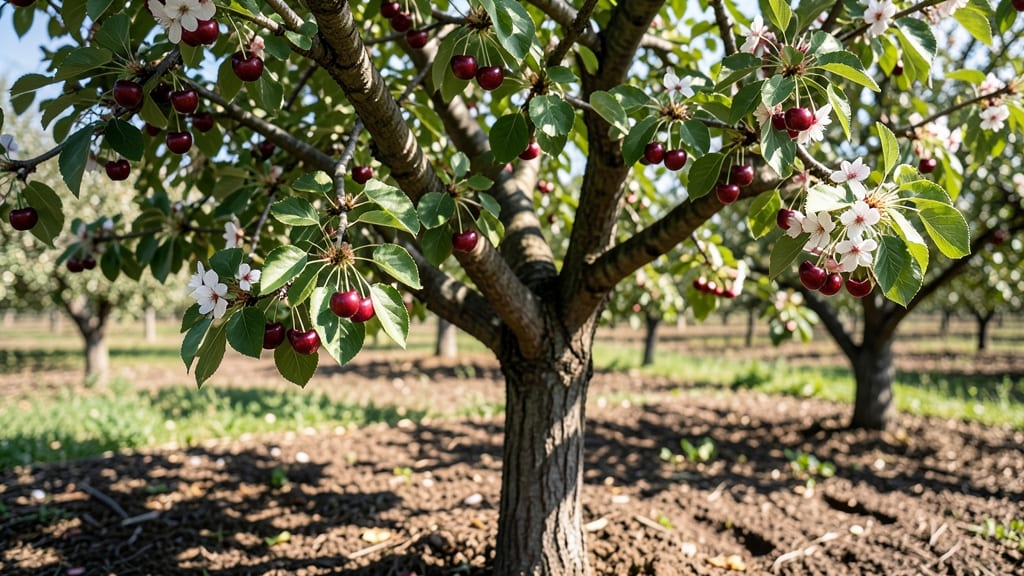
A cherry tree’s sun requirements need at least 6 hours of sunlight daily 🍒 to produce sweet, flavorful fruit and thrive — but too much scorching sun can damage delicate blossoms and leaves.
Picture this: your cherry tree stands tall, blooming with vibrant flowers, only to produce tiny, tart cherries instead of the juicy harvest you dreamed of. The culprit? Sun exposure that’s either too little or too much.
Whether you’re planting in full sun or adapting to partial shade, understanding your tree’s light needs is the key to a bountiful harvest. Below, we’ll break down how much sun your cherry tree truly needs, how to spot signs of sun stress, and which varieties handle less light best.
From sweet cherries to tart varieties, you’ll learn how to monitor sunlight, adjust care based on your region, and troubleshoot issues like leaf burn or poor fruiting.


How many hours of sun does a cherry tree need for optimal fruit growth?
Cherry trees are sun-lovers, but their exact needs vary depending on whether you're growing sweet cherries (like Bing or Rainier) or tart cherries (like Montmorency or Stella). Most varieties thrive with 6-8 hours of direct sunlight daily, but tart cherries can tolerate slightly less light—especially in cooler climates.
Understanding these differences is key to maximizing your harvest and avoiding issues like poor flowering or small fruit.
Too little sun leads to weak blossoms and reduced fruit set, while too much intense afternoon sun can cause leaf scorch or heat stress. The ideal balance ensures your tree produces abundant, flavorful cherries year after year.
Let’s break down the specifics for each variety and how to measure sunlight in your garden for the best results.
🌱 Key Insight: Sweet cherries often need the most sun, while tart cherries are more adaptable. Even a 1-2 hour difference in sunlight can impact fruit quality and yield.
Sweet cherries like Bing or Rainier demand the most sunlight—8+ hours daily for peak flavor and size. These varieties are less forgiving and may produce smaller, less sweet fruit if they receive less than 6 hours of sun.
The flowering stage is particularly critical; insufficient light here can lead to poor pollination and fewer cherries. If you’re growing sweet cherries in a cooler climate, prioritize southern or western exposure to maximize sunlight.
Tart cherries, such as Montmorency or Balaton, are more adaptable and can thrive with as little as 5 hours of sun. They’re often better suited for partial shade gardens or regions with hot afternoons.
However, even tart cherries benefit from 6-7 hours of sunlight for optimal fruit production. Their tolerant nature makes them ideal for gardeners with limited space or shade challenges.
To measure sunlight accurately in your garden, use a sunlight tracker or observe your space for a week. Note when shadows fall across potential planting areas—morning sun (before 10 AM) is generally safer than harsh afternoon rays.
If your garden only gets 4-5 hours of sun, consider dwarf varieties or container-growing for better light control.
Seasonal adjustments are crucial, especially in hot climates. During summer, afternoon shade (from 1 PM–4 PM) can prevent leaf burn while still providing enough light for fruiting. In cooler regions, focus on extending sunlight exposure by pruning nearby trees or structures that cast shade.
Remember, cherry trees need consistent light—fluctuations can stress the tree and reduce yields.
One common mistake is assuming "full sun" means all-day sun. While cherry trees love sunlight, they also need balanced care, including proper watering and well-draining soil. If your tree shows signs of leaf scorch (brown, crispy edges), it’s getting too much intense sun.
Conversely, pale leaves or sparse blooms signal insufficient light. Adjust care based on these visual cues to keep your tree thriving.
For container-grown cherry trees, rotate the pot every few weeks to ensure even sun exposure on all sides. This prevents one side from becoming overly shaded or sun-scorched. If you’re planting in a new location, monitor the tree for the first growing season to gauge its sun tolerance.
Some varieties, like 'Stella', adapt well to partial shade, while others, like 'Lapins', require full sun for best results.
Pro tip: Pair your cherry tree with companion
Signs your cherry tree isn’t getting enough sun (and how to Fix it)
If your cherry tree isn’t producing the sweet, juicy fruit you expected, insufficient sunlight could be the culprit. Cherry trees thrive in full sun, but too little light leads to visible stress signs.
I’ve noticed these sun deficiency symptoms in my own orchard, and addressing them early can save your harvest.
Look for sparse blooms or flowers that fail to develop into fruit—this is a classic sign of inadequate sunlight. Without enough light, your tree may also produce small, underdeveloped cherries or none at all.
Even the leaves can tell the story: pale, yellowing foliage or leaves that grow closer together than usual are red flags.
🌱
⚠️ Warning: Cherry Trees Need Full Sun!
Minimum 6-8 hours of direct sunlight daily is critical for cherry trees. Without it, you’ll see:
- Poor flowering – Fewer or no blossoms
- Weak branches – Leggy, spindly growth
- Small fruit – Underdeveloped cherries
💡 Fix it now: Prune nearby shade sources or relocate your tree to a sunnier spot before next spring.
Weak branches are another tell-tale sign of sun deprivation. When cherry trees lack light, they stretch toward any available sunlight, creating long, weak stems that struggle to support fruit. You might also notice fewer leaves on the upper branches, as the tree prioritizes growth where light is available.
If your tree is already established but struggling, consider pruning strategically to open up its canopy. Remove any overgrown branches blocking sunlight from reaching the center.
For younger trees, you can also try relocating them to a sunnier part of your yard—just be sure to do this in early spring before new growth begins.
For gardeners with limited sunlight, companion planting can help. Pair your cherry tree with shade-tolerant perennials like hostas or ferns, which won’t compete for light. If you’re in a partial shade area, choose dwarf cherry varieties like ‘Stella’ or ‘Montmorency,’ which tolerate slightly less sun than standard types.
🍒