
Blooming
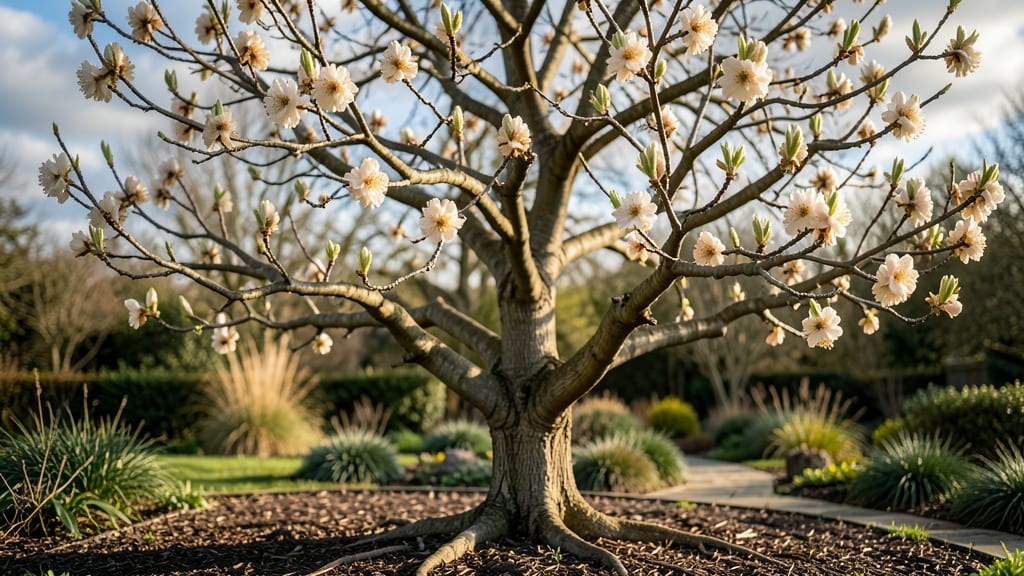
Chestnut tree blossoms transform your yard into a springtime spectacle 🌳—but getting them to appear reliably takes the right timing and care.
Picture this: delicate, candle-like flowers dusting your tree in early spring, only to vanish by summer. What you don’t see is the years of preparation—soil health, pruning, and seasonal adjustments—that turn a good tree into a blooming powerhouse.
In this guide, I’ll break down exactly when those stunning flowers appear, how to recognize male vs. female blooms, and the 5 proven tricks to coax your chestnut tree into producing more blossoms every year.
Whether you’re dealing with a young sapling or a mature giant, these insights will help you turn your tree’s potential into a seasonal showstopper.
Chestnut tree blossom timeline: when & why they appear
Chestnut trees burst into bloom with stunning yellow-green catkins that signal both beauty and productivity. Unlike many trees, chestnuts can flower twice yearly—once in late spring and again in fall—though spring blooms are far more abundant.
Understanding this biennial flowering pattern helps you predict nut yields and adjust care accordingly.
The spring blossoms (March–May) are your tree’s primary reproductive effort, while fall blooms (September–October) are secondary and less reliable. Young trees (under 10 years) often produce only male flowers, while mature trees develop female flowers needed for nut production.
This timing isn’t random—it’s influenced by chill hours, sunlight, and soil health.
| Season | Bloom Timing (USDA Zone 6a) | Flower Type | Purpose | Nut Production Indicator |
|---|---|---|---|---|
| Spring | March–May | Male & Female | Primary pollination | High = Strong nut crop next fall |
| Fall | September–October | Male only | Secondary pollination | Low = Minimal impact on yield |
| Young Trees (<10 yrs) | Spring only | Male flowers | No nut production | N/A |
| Mature Trees (>15 yrs) | Spring + occasional fall | Male & Female | Full nut production | Abundant blooms = Heavy crop |
Climate plays a critical role in bloom timing. Chestnut trees need 600–900 chill hours (below 45°F) to trigger spring blooms.
In warmer zones (7b+), blooms may appear 2–4 weeks earlier than in colder regions. Drought stress or poor soil can delay flowering, while rich, well-drained soil encourages earlier, more abundant blooms.
Healthy trees prioritize flower production after establishing roots. A 5-year-old tree might produce 10–20% female flowers, while a 20-year-old can reach 70–90%. Stressed trees (from pests, disease, or improper pruning) may skip flowering entirely.
Pay attention to leaf color and branch growth—vibrant foliage signals a tree ready to bloom.
The color and quantity of chestnut blossoms reveal future nut yields. Bright yellow-green catkins indicate healthy pollination potential, while pale or sparse blooms suggest nutrient deficiencies or root damage. Female flowers (small, red buds) appear later than male flowers and require cross-pollination from nearby trees for successful nut development.
Spring blooms directly correlate with fall nut production. If your tree shows abundant spring flowers but few nuts, check for pests (weevils, borers) or poor pollinators (bees, wind).
In urban areas, hand-pollinating with a paintbrush can boost yields. Fall blooms rarely produce nuts but may indicate a tree’s overall vitality.
Age matters more than you think. A 10-year-old chestnut tree might produce 50–100 nuts, while a 30-year-old can yield 1,000+. Pruning in late winter (before buds swell) removes dead wood and redirects energy to flower production.
Avoid heavy pruning after blooming—it stresses the tree and reduces next year’s flowers.
Watch for early signs of stress like dropping buds or stunted growth, which can delay blooming. Mulch heavily in fall to insulate roots and water deeply in drought months.
These steps ensure your chestnut tree enters dormancy strong, setting the stage for vibrant spring blossoms and a bountiful nut harvest.
🌳
5 Proven ways to encourage more chestnut tree blossoms
Transforming your chestnut tree into a blossom powerhouse starts with the right care strategies. These five proven techniques will help you maximize flower production while keeping your tree healthy and thriving. Whether you're growing American chestnuts, European chestnuts, or Japanese chestnuts, these methods apply across varieties.
Chestnut trees reward attentive gardeners with stunning spring blossoms—but only if they receive the proper nutrients, pruning, and watering. The key lies in understanding how each seasonal care step influences flower development. Let’s dive into the most effective ways to encourage abundant blooms year after year.
- 🌱 Prune in late winter to remove dead wood and encourage new growth where blooms form.
- 💧 Deep water weekly during spring bloom season to support flower development.
- 🌿 Add compost in early spring to boost soil fertility for blooming.
- ✂️ Thin crowded branches to improve air circulation and sunlight penetration.
- ☀️ Ensure full sun exposure—at least 6 hours daily—to maximize flower production.
First, focus on pruning strategies that stimulate flowering. Chestnut trees bloom on new wood, so pruning in late winter or early spring removes dead or diseased branches while encouraging vigorous growth where flowers will appear.
Use sharp, clean tools to make clean cuts just above a bud or branch collar. Avoid heavy pruning in fall, as this can stress the tree before winter dormancy.
Next, enrich your soil with organic matter like compost or well-rotted manure. Chestnut trees thrive in well-draining, slightly acidic soil (pH 5.0–6.5). A balanced fertilizer (10-10-10) applied in early spring provides essential nutrients for flower development.
For established trees, spread a 2-inch layer of compost around the drip line in late winter to feed roots as they wake up.
Watering plays a critical role in bloom abundance. During the spring blooming season, water deeply once a week to encourage root growth and flower formation. Avoid shallow watering, which can lead to weak roots and fewer blossoms.
In summer droughts, increase watering to every 5–7 days, ensuring the soil remains consistently moist but not waterlogged. Mulch around the base of the tree to retain moisture and regulate soil temperature.
Seasonal care is equally important. In fall, apply a thick layer of mulch to protect roots from freezing temperatures and retain moisture. Avoid fertilizing in late fall, as this can stimulate tender new growth vulnerable to frost damage.
In winter, minimize watering but keep an eye out for dry spells. Once spring arrives, resume watering and fertilizing to support the tree’s energy demands for blooming.
For specific chestnut varieties, adjust care slightly. Japanese chestnuts, for example, benefit from slightly more frequent watering due to their thinner bark. Meanwhile, European chestnuts may need occasional pruning to control their sprawling growth habit.
Always monitor your tree’s response to care adjustments and tweak as needed. With patience and consistency, your chestnut tree will reward you with a spectacular spring display of blossoms year after year.